


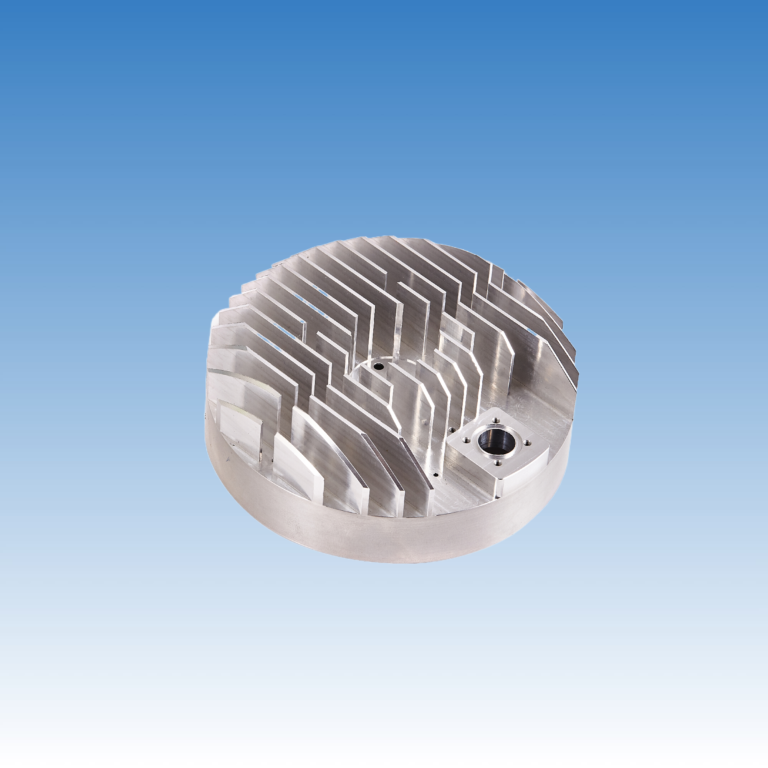
The choice between 6061 and 6082 aluminum can feel confusing because both are strong, versatile, and widely used in engineering.
The main difference is that 6061 is known for its excellent machinability and corrosion resistance, while 6082 is stronger, making it ideal for structural applications.
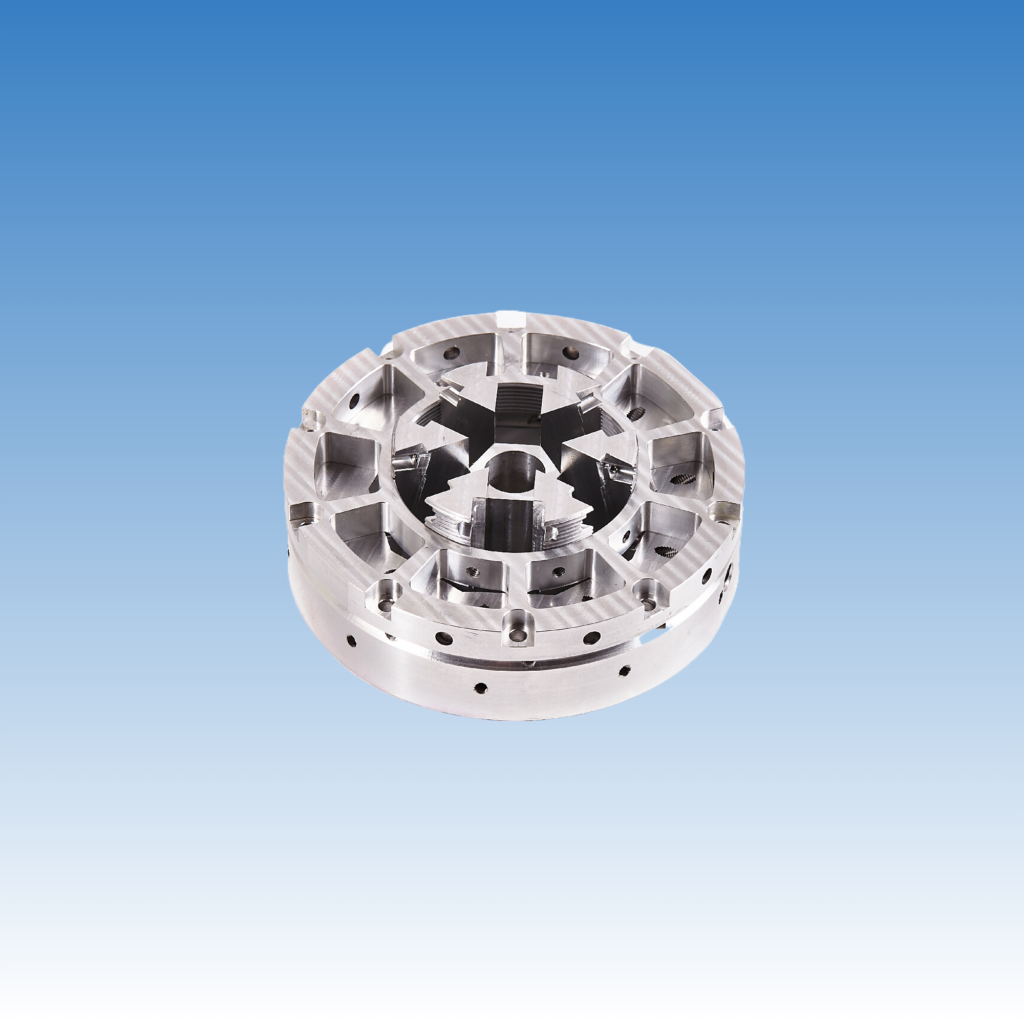
Both alloys look similar on paper, but when you dig deeper, the details matter. Strength, machinability, and end-use define the right choice. Let’s break them down together.
What is 6082 aluminum used for?
Choosing 6082 aluminum often comes down to strength. Many industries depend on its performance in critical structures.
6082 aluminum is widely used in construction, bridges, transport, and marine structures because of its high strength and good corrosion resistance.
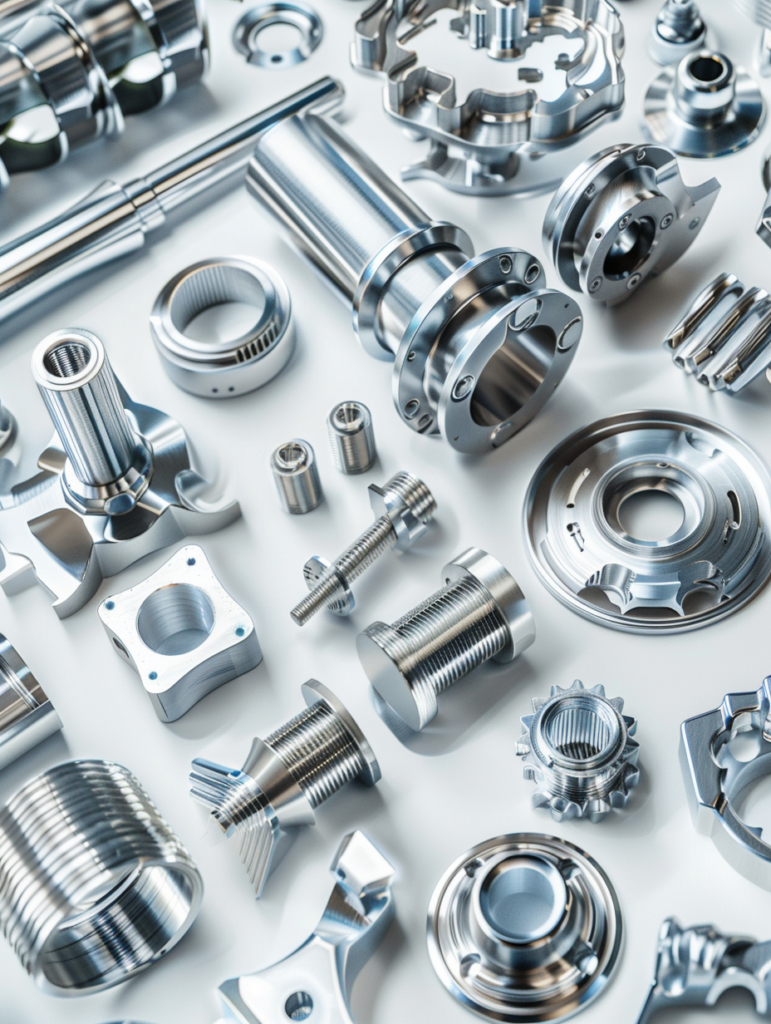
When I worked with European buyers, I saw how often 6082 was specified for structural projects. This alloy belongs to the 6000 series, but its higher manganese content makes it stronger than 6061. Buyers often request it for load-bearing parts, heavy-duty transport components, and offshore platforms. In these cases, even small weaknesses in material could lead to failure. Below is a breakdown of its common applications:
Main Applications of 6082 Aluminum
| Industry | Examples of Use | Reason for Choice |
|---|---|---|
| Construction | Bridges, roofs, building frames | High strength and corrosion resistance |
| Transport | Truck bodies, train frames | Strength-to-weight ratio |
| Marine | Shipbuilding, offshore structures | Saltwater corrosion resistance |
| Machinery | Heavy-duty equipment parts | Structural strength |
6082 is often harder to machine compared to 6061. Still, when safety and load-bearing capacity are most important, buyers prefer 6082.
Which aluminum is stronger, 6061 or 6082?
Strength is usually the first property buyers compare. That is where the alloys differ most clearly.
6082 aluminum is stronger than 6061, especially in tensile strength and yield strength, making it better for structural and heavy-load applications.
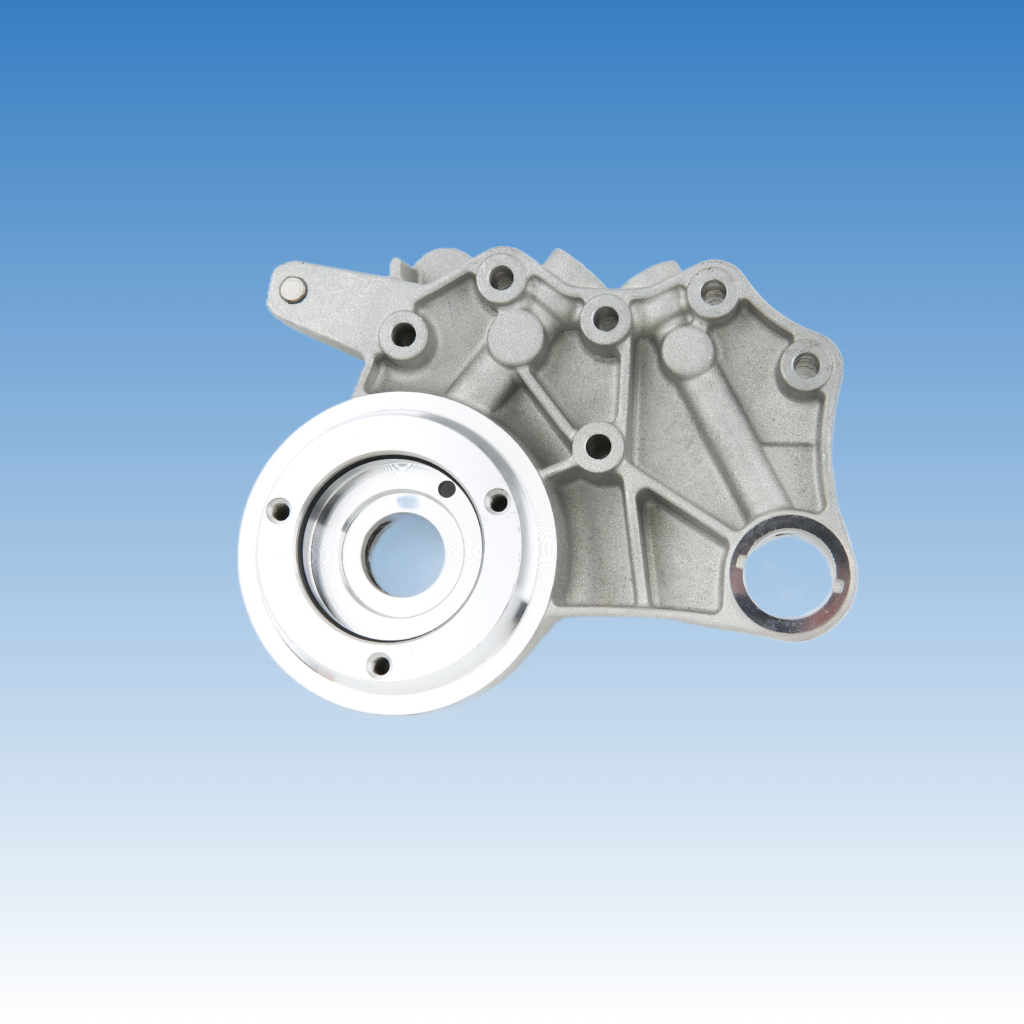
I often meet clients who ask for 6061 but later realize they actually need 6082 because of strength requirements. 6061 offers very good balance, but 6082 provides an upgrade when it comes to mechanical strength. Here’s a simple comparison table:
Mechanical Properties Comparison (Typical Values)
| Property | 6061-T6 | 6082-T6 |
|---|---|---|
| Tensile Strength (MPa) | ~310 | ~340 |
| Yield Strength (MPa) | ~275 | ~310 |
| Elongation (%) | 12 | 10 |
| Machinability | Good | Fair |
| Corrosion Resistance | Excellent | Excellent |
This means 6061 is slightly more forgiving when machining complex shapes, while 6082 is chosen when strength matters more than ease of machining. For buyers in the automotive or aerospace industry, this decision is critical.
Can you heat treat 6082 aluminium?
Heat treatment changes the performance of an alloy and many buyers want to know if 6082 can be improved that way.
Yes, 6082 aluminum can be heat treated, most commonly to the T6 temper, which significantly increases its strength and hardness.
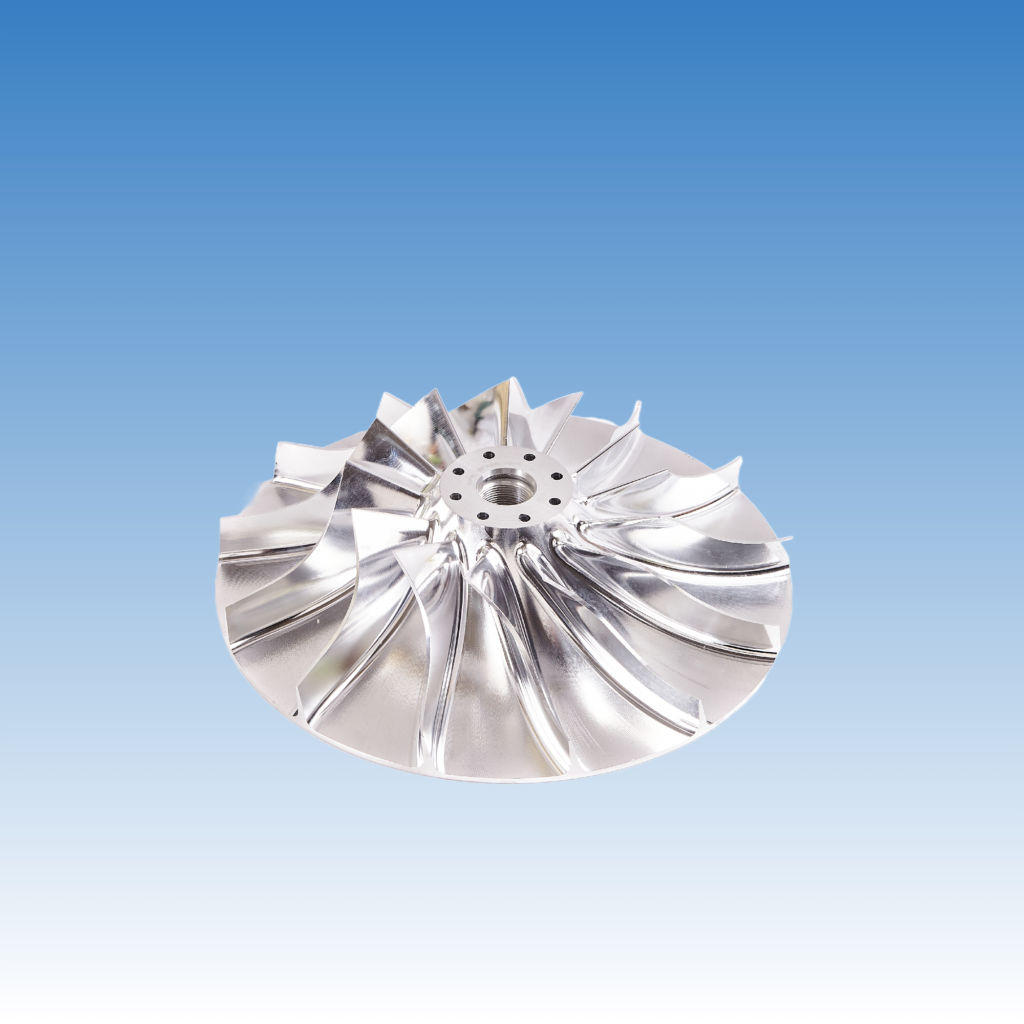
I have handled orders where clients specifically requested T6-treated 6082 to ensure maximum performance in marine or machinery parts. The T6 temper involves solution heat treatment and artificial aging. This treatment locks in strength, making it suitable for high-load applications. However, heat treatment can make machining more challenging. Below is a simple breakdown:
Heat Treatment Impact on 6082
| Temper State | Process | Result |
|---|---|---|
| T4 | Solution treated, naturally aged | Good strength, better formability |
| T6 | Solution treated, artificially aged | Maximum strength, less machinable |
| T651 | T6 with stress relief | High strength with reduced distortion |
So yes, 6082 can be heat treated effectively. Buyers need to balance final strength against machinability and cost.
What are the advantages of 6061 aluminum?
Some buyers still prefer 6061 even when 6082 is stronger. That is because advantages extend beyond pure strength.
6061 aluminum is easier to machine, weld, and anodize than 6082, making it ideal for complex parts, aerospace components, and general engineering uses.

I often recommend 6061 when clients need precision CNC machining for parts with complex geometry. It is easier to cut and shape, which reduces tool wear and machining time. That lowers costs. At the same time, it has excellent corrosion resistance and can take different finishes well. Below are the main advantages:
Key Advantages of 6061 Aluminum
| Advantage | Explanation |
|---|---|
| Machinability | Easy to cut, drill, mill, and turn |
| Corrosion Resistance | Excellent, especially after anodizing |
| Weldability | Strong welds without loss of properties |
| Versatility | Used in aerospace, automotive, electronics |
| Balanced Strength | Good enough for many structural uses |
This alloy is often the first choice when buyers want flexibility. While 6082 might be stronger, 6061 offers a balance that often saves money and machining effort.
Conclusion
Both 6061 and 6082 have clear strengths. 6061 is easier to machine and versatile, while 6082 is stronger and better for heavy structures.