


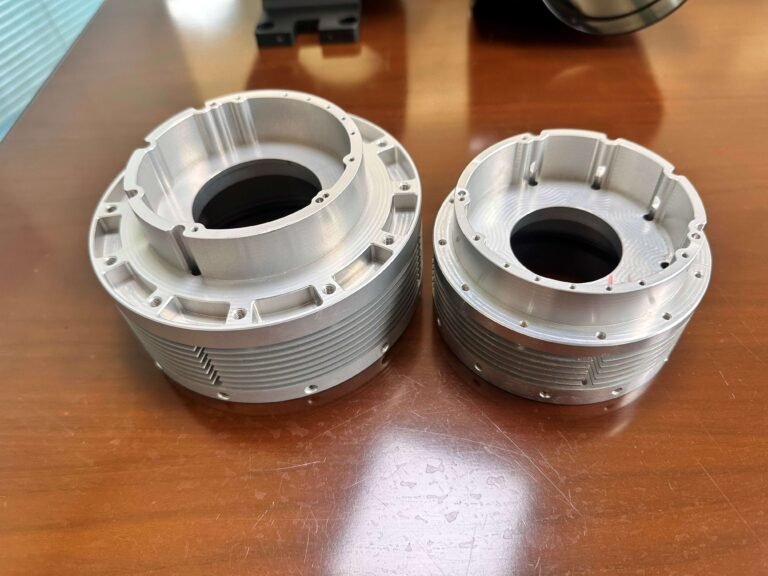
Industrial equipment often fails because of weak housings, poor heat control, or unstable structures. I have seen machines stop working simply because the enclosure could not handle vibration, heat, or corrosion.
CNC precision machined aluminum alloy housings solve these problems by offering high strength, light weight, good heat dissipation, and precise dimensions. Many industrial machines rely on them to protect internal components, maintain stability, and improve long-term reliability.
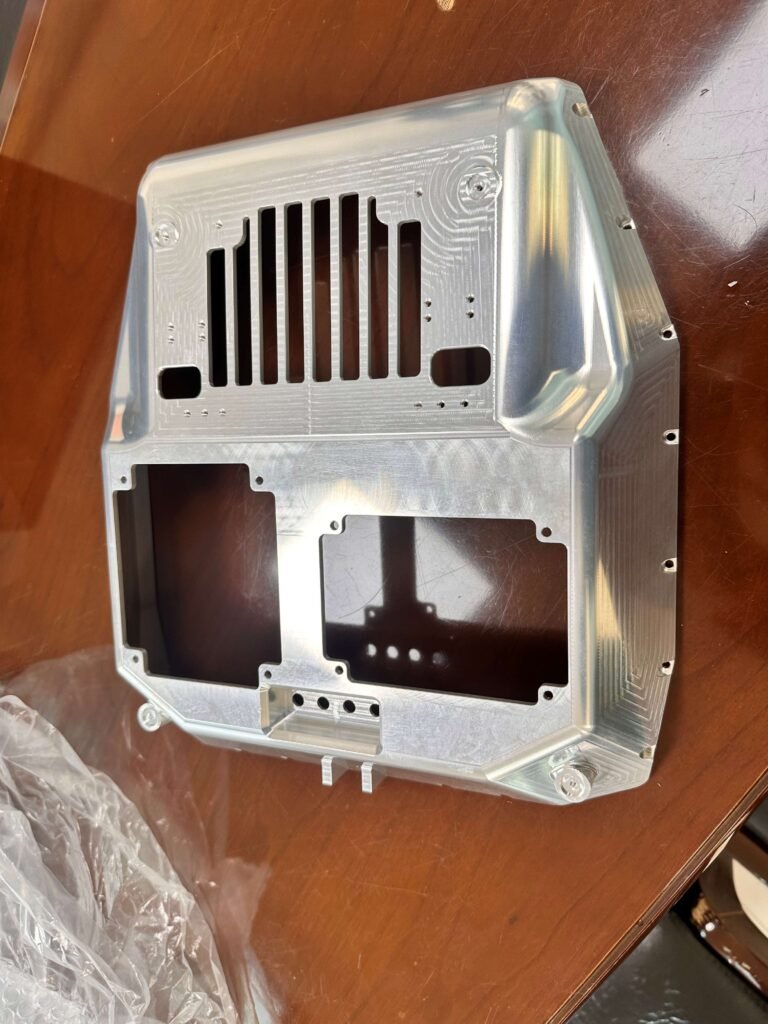
When I started working with industrial buyers, I quickly noticed that many engineers cared as much about the housing as they did about the internal parts. The enclosure often determines durability, cooling performance, and installation accuracy. CNC precision machining makes it possible to create aluminum housings that meet strict industrial requirements.
Why Do Industrial Machines Prefer CNC Machined Aluminum Alloy Housings?
Many industrial machines operate in tough environments. They face heat, vibration, and constant operation. I often see buyers worry that poor housings will lead to machine failures.
Industrial machines prefer CNC machined aluminum alloy housings because they provide high dimensional accuracy, strong structural support, excellent heat dissipation, and corrosion resistance. These properties make them reliable for protecting critical components.
When I talk with equipment buyers, they often ask why aluminum housings appear in so many machines. The answer becomes clear when we examine how these housings perform in real operating conditions.
Key Advantages of Aluminum Alloy Housings
Aluminum alloys provide several important advantages that are difficult to achieve with other materials. CNC machining further improves these advantages by producing tight tolerances and complex shapes.
| Feature | Benefit for Industrial Equipment |
|---|---|
| Lightweight | Reduces total machine weight and makes installation easier |
| High Strength | Protects internal components from impact and vibration |
| Good Heat Dissipation | Helps electronic and mechanical parts stay cool |
| Corrosion Resistance | Works well in humid or chemical environments |
| Precision Machining | Ensures accurate assembly and stable performance |
I remember one project where a customer needed housings for a motor control unit. The machine operated 24 hours a day. Heat management was critical. Aluminum housings helped transfer heat away from sensitive electronics. This reduced failure rates.
Why CNC Machining Matters
Many housings can be cast or molded. But industrial equipment often requires higher precision.
CNC machining provides:
- Tight tolerances
- Smooth surfaces
- complex internal structures
- consistent quality
This precision allows parts to fit perfectly with bearings, sensors, and electronic modules. I often explain to buyers that precision machining reduces assembly errors and improves machine stability.
Typical Aluminum Alloys Used
Some alloys appear frequently in CNC housing production.
| Aluminum Alloy | Characteristics | Common Use |
|---|---|---|
| 6061 | Strong, versatile, easy to machine | General industrial equipment |
| 6063 | Excellent surface finish | Electronic enclosures |
| 7075 | Very high strength | Aerospace and high-load components |
Many buyers choose 6061 because it offers a good balance between strength, cost, and machinability.
Where Are CNC Aluminum Housings Used in Industrial Equipment?
Industrial equipment contains many sensitive components. These parts require protection from dust, vibration, and temperature changes. I often see CNC aluminum housings used as the first line of protection.
CNC aluminum housings are widely used in motor systems, electronic control units, automation equipment, and precision machinery because they protect internal components and maintain structural stability.
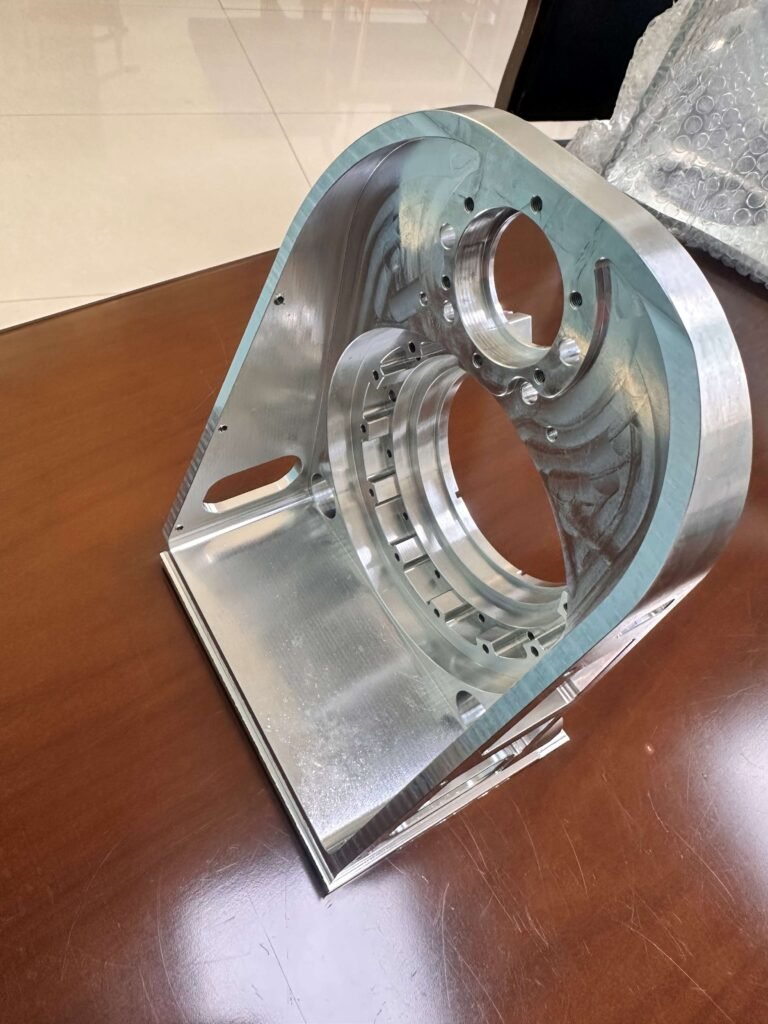
When I visit factories or equipment exhibitions, I notice aluminum housings everywhere. They are part of both large machines and small electronic modules.
Motor and Drive Systems
Electric motors generate heat and vibration. A strong housing helps maintain performance.
Key roles include:
- protecting internal windings
- supporting bearings
- dissipating heat
Aluminum housings improve cooling. They also reduce weight compared with steel alternatives.
Automation Equipment
Automation systems rely on precise positioning. Even small structural errors can affect accuracy.
CNC aluminum housings help maintain stability in:
- robotic arms
- servo drives
- motion control systems
I once worked with a robotics manufacturer. They required very tight tolerances for mounting surfaces. CNC machining allowed us to meet those requirements.
Electronic Control Units
Many industrial devices contain circuit boards and sensors. These parts are sensitive to heat and electromagnetic interference.
Aluminum housings offer several benefits:
| Requirement | Aluminum Housing Advantage |
|---|---|
| Heat Control | Aluminum transfers heat quickly |
| Structural Protection | Protects delicate electronics |
| EMI Shielding | Metal enclosure helps reduce interference |
| Compact Design | CNC machining supports complex shapes |
These features help maintain stable electronic performance.
Energy and Power Equipment
Energy systems often operate outdoors or in harsh environments.
Examples include:
- solar inverter housings
- power distribution units
- battery system enclosures
Aluminum resists corrosion and provides good thermal performance. These features make it ideal for energy applications.
How Does CNC Precision Machining Improve Housing Performance?
Many people focus on the material itself. But the manufacturing process also plays a major role in performance. I learned this lesson early in my work with mechanical engineers.
CNC precision machining improves aluminum housings by achieving tight tolerances, complex geometry, smooth surfaces, and consistent quality. These improvements increase reliability and simplify assembly.
Industrial equipment often requires housings that interact with many other components. Precision machining ensures these parts work together correctly.
High Dimensional Accuracy
Industrial machines often require tolerances of only a few microns.
CNC machining allows manufacturers to achieve:
- precise mounting holes
- accurate alignment surfaces
- consistent wall thickness
This accuracy prevents misalignment and vibration problems.
Complex Structural Design
Modern equipment often includes:
- cooling channels
- internal mounting structures
- cable routing paths
CNC machining allows engineers to design these features directly into the housing.
| Design Feature | Purpose |
|---|---|
| Cooling Fins | Increase heat dissipation |
| Internal Grooves | Organize cables or seals |
| Precision Mounts | Secure sensors and electronics |
These features improve both function and assembly efficiency.
Better Surface Quality
Surface quality affects sealing, corrosion resistance, and appearance.
Common finishing methods include:
- anodizing
- sandblasting
- polishing
- powder coating
Anodizing is especially popular for aluminum housings because it increases corrosion resistance and durability.
Consistent Production Quality
Industrial buyers often worry about quality consistency between batches.
CNC machining helps maintain stable production because machines follow digital programs. Each part is produced using the same process. This reduces variation.
In my experience, buyers from Europe and North America often require strict quality documentation. CNC machining helps meet those expectations.
What Should Buyers Consider When Sourcing CNC Aluminum Housings?
Many equipment buyers search for suppliers in countries like China or India. Lower costs attract them. But they still worry about quality, communication, and delivery reliability.
When sourcing CNC aluminum housings, buyers should evaluate machining capability, quality control systems, material certification, and delivery stability to ensure consistent product performance.
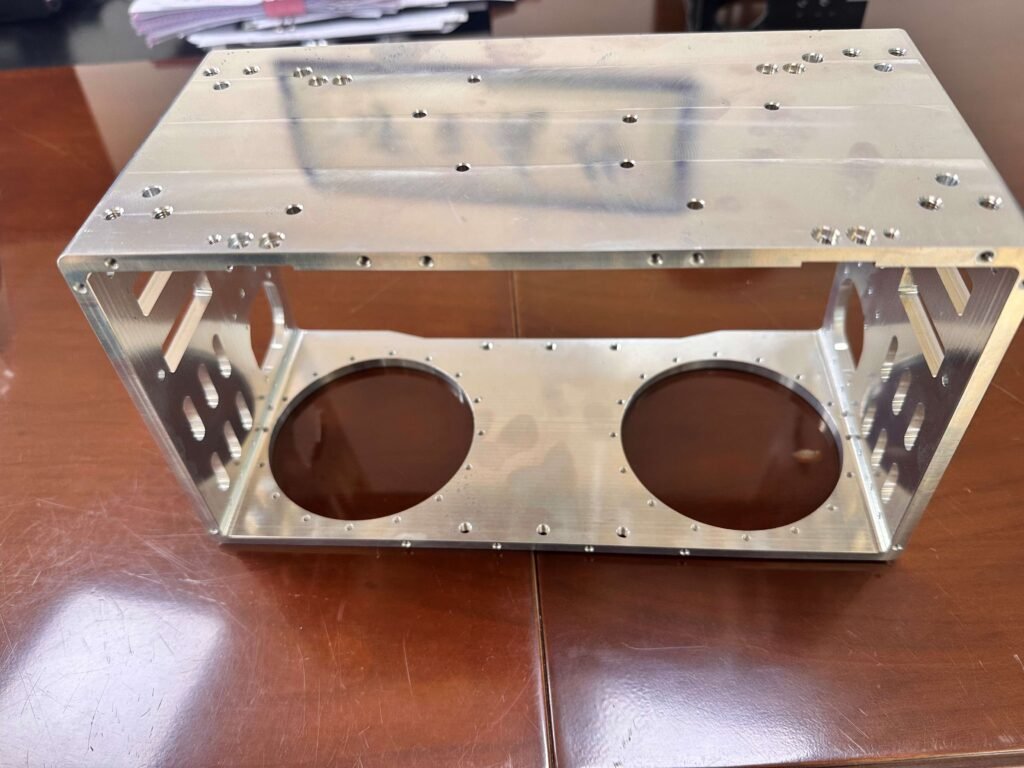
I often talk with buyers who have faced supplier problems before. Some experienced delayed shipments. Others discovered incorrect material certificates.
These experiences taught me what matters most in supplier evaluation.
Manufacturing Capability
Buyers should first understand the supplier’s technical capability.
Important factors include:
| Capability | Why It Matters |
|---|---|
| CNC Machine Accuracy | Determines dimensional precision |
| Multi-axis Machining | Allows complex designs |
| Production Capacity | Supports stable supply |
| Engineering Support | Helps optimize designs |
A supplier with strong engineering support can also suggest design improvements.
Quality Control System
Quality control protects buyers from costly problems.
Reliable suppliers usually provide:
- inspection reports
- material certificates
- dimensional measurement records
Some companies also use advanced inspection equipment like CMM machines.
Communication Efficiency
Poor communication is one of the biggest sourcing problems.
Buyers need suppliers who can:
- respond quickly
- explain technical issues clearly
- update production status
Good communication helps prevent misunderstandings.
Logistics and Delivery
Stable delivery is critical for production planning.
Suppliers should have experience with international shipping and documentation. Clear delivery schedules help buyers avoid production delays.
In my work with industrial buyers, I have seen that reliable logistics can build long-term partnerships.
Conclusion
CNC precision machined aluminum alloy housings play a vital role in industrial equipment. They provide strength, heat control, and precision. These advantages improve machine reliability and long-term performance.