


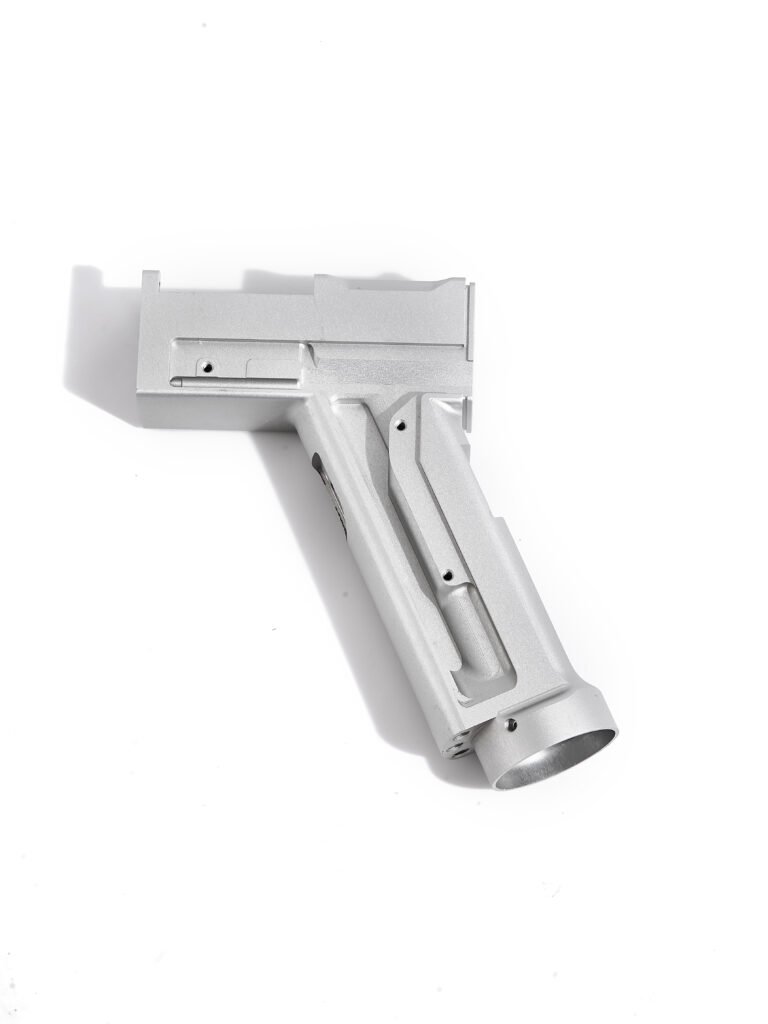
Manufacturers often struggle with unstable quality, rough surfaces, or dimensional errors in aluminum parts. I faced the same problems before I truly understood the full CNC machining process.
Precision CNC machining of aluminum parts involves material selection, programming, machining, surface finishing, and quality inspection. Each step must be controlled carefully to achieve high accuracy, smooth surfaces, and stable production quality.
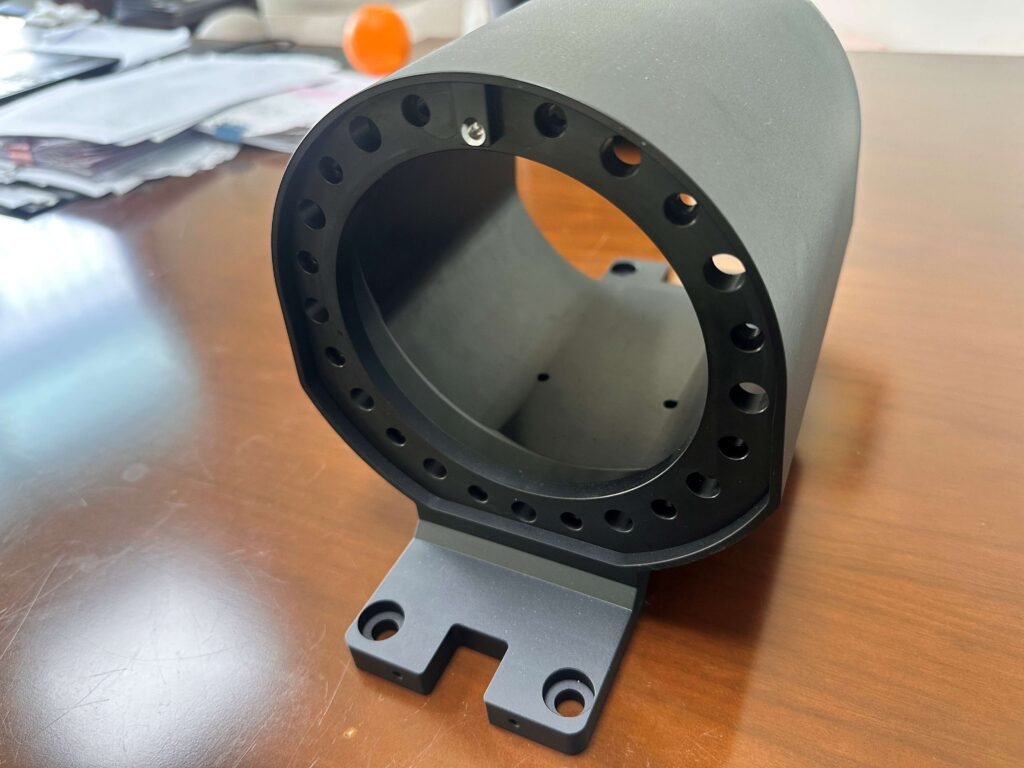
When I started working with aluminum CNC parts, I realized that precision does not come from a single machine or a single step. It comes from a complete manufacturing process. Each stage affects the final result.
Why Is Aluminum Alloy Widely Used In Precision CNC Machining?
Many engineers choose aluminum for machined parts, yet many buyers still wonder why it is such a common material in CNC manufacturing.
Aluminum alloys are widely used in CNC machining because they are lightweight, easy to machine, corrosion-resistant, and able to achieve tight tolerances with good surface quality.
Understanding Aluminum As A CNC Material
When I first worked with aluminum parts, I quickly noticed how different aluminum behaves compared with steel or stainless steel. Aluminum is soft. It cuts easily. It allows higher spindle speeds. It also reduces tool wear.
Engineers often choose aluminum because it balances strength, weight, and machinability. Many industries rely on it. I see it often in automotive parts, electronic housings, medical devices, and aerospace components.
Different aluminum alloys also provide different properties. Some focus on strength. Some focus on corrosion resistance. Some focus on machining performance.
| Aluminum Alloy | Key Feature | Common Applications |
|---|---|---|
| 6061 | Good strength and corrosion resistance | Mechanical parts, structural components |
| 6063 | Excellent surface finish | Decorative parts, profiles |
| 7075 | Very high strength | Aerospace and high-stress components |
| 5052 | Good corrosion resistance | Marine and sheet metal parts |
From my experience, alloy 6061 is the most common choice for CNC machining. It offers a good balance between cost, strength, and machinability. Many buyers request it for precision parts.
Another reason aluminum is popular is thermal conductivity. Heat dissipates quickly during machining. This reduces deformation during cutting.
When customers ask me for tight tolerances, aluminum usually helps us reach those targets more easily than harder metals.
What Are The Key Steps In Precision CNC Aluminum Machining?
Many buyers focus only on the machining stage. But the final quality depends on several connected steps.
The key steps in CNC aluminum machining include material preparation, CAD design, CAM programming, CNC machining operations, surface treatment, and final quality inspection.
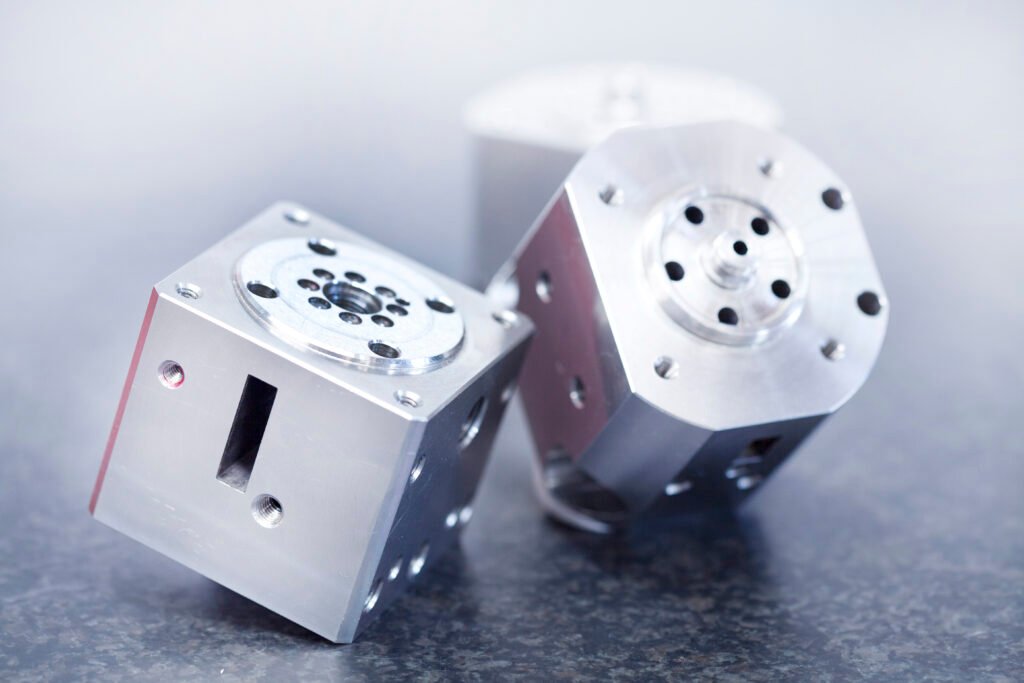
Step-By-Step Manufacturing Process
When I explain CNC machining to new customers, I always break the process into clear stages. Each stage must be stable. If one step fails, the final part may fail too.
The first step is material preparation. Raw aluminum bars or plates must meet material certification requirements. Poor material quality causes machining problems and weak parts.
The second step is CAD design. Engineers create a digital 3D model of the part. This model defines dimensions, tolerances, and geometric features.
The third step is CAM programming. Software converts the CAD model into machining toolpaths. The programmer decides cutting speed, feed rate, tool selection, and machining strategy.
The fourth step is CNC machining. This stage uses machines such as CNC milling machines or Swiss-type lathes. The machine removes material gradually until the final shape appears.
The fifth step is surface treatment. Aluminum parts often require finishing such as anodizing, sandblasting, or polishing. These processes improve corrosion resistance and appearance.
The final step is quality inspection. This step confirms that the part meets all design requirements.
| Manufacturing Stage | Main Purpose |
|---|---|
| Material Preparation | Ensure raw material quality |
| CAD Design | Define structure and dimensions |
| CAM Programming | Create machining toolpaths |
| CNC Machining | Shape the part precisely |
| Surface Finishing | Improve durability and appearance |
| Quality Inspection | Verify tolerance and accuracy |
When I manage production projects, I watch each step closely. Small mistakes early in the process often become large problems later.
What CNC Machines Are Used For Aluminum Precision Parts?
Many buyers know about CNC machines but do not clearly understand which machines are best for aluminum parts.
Common machines used for aluminum precision machining include CNC milling machines, CNC turning lathes, Swiss-type machines, and multi-axis machining centers. Each machine type suits different part structures.
Choosing The Right CNC Equipment
When I first visited a large machining factory, I was surprised by how many different CNC machines were running at the same time. Each machine had a special role.
The most common machine is the CNC milling machine. It uses rotating cutting tools to remove material from aluminum blocks. It is ideal for complex shapes, pockets, and surface features.
Next is the CNC turning lathe. This machine rotates the workpiece while the cutting tool moves along the axis. It works well for cylindrical parts like shafts, bushings, and connectors.
Another advanced machine is the Swiss-type CNC lathe. This machine specializes in small, high-precision turned parts. It is common in medical devices and electronic components.
For complex parts, factories often use multi-axis machining centers. These machines can move in 4 or 5 axes. They allow machining from multiple angles without repositioning the part.
| Machine Type | Main Advantage | Suitable Parts |
|---|---|---|
| CNC Milling Machine | Flexible machining | Complex shapes |
| CNC Turning Lathe | Efficient cylindrical machining | Shafts, bushings |
| Swiss Type Machine | High precision small parts | Medical, electronics |
| 5-Axis Machining Center | Complex geometry machining | Aerospace components |
When customers ask me how we maintain high precision, the answer is not only machines. It is also experienced operators and good process control.
Machines provide capability. Skilled engineers provide stability.
How Do Manufacturers Ensure High Precision And Quality?
High precision is the main reason companies choose CNC machining. But achieving that precision requires strict control.
Manufacturers ensure high precision through process control, tool management, temperature stability, precision inspection equipment, and standardized quality systems.
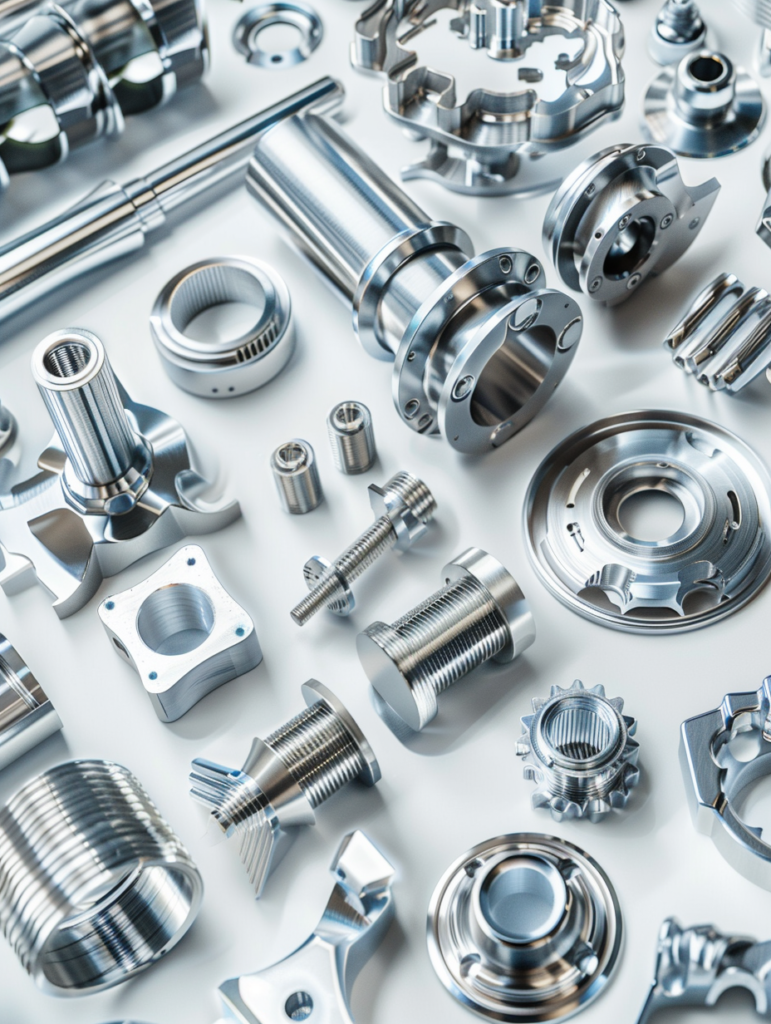
Quality Control In CNC Machining
In my experience, quality problems usually come from small details that people ignore. Precision machining requires discipline in every step.
One key factor is tool management. Cutting tools wear out during machining. If the tool becomes dull, the surface finish worsens and dimensions drift. Factories must replace tools regularly.
Another factor is machine calibration. CNC machines must be calibrated frequently. Small positioning errors can cause tolerance problems.
Temperature also plays a role. Aluminum expands when temperature rises. If the workshop temperature changes a lot, measurement results can change.
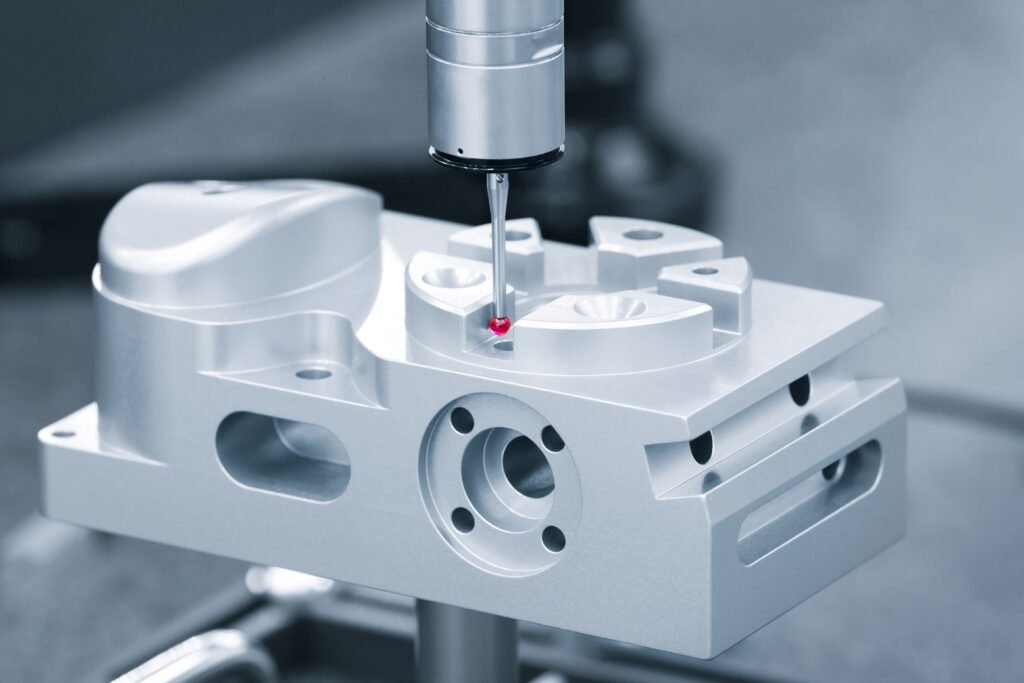
Inspection equipment is also critical. Many factories use CMM machines (Coordinate Measuring Machines) to verify dimensions with very high accuracy.
| Quality Control Method | Purpose |
|---|---|
| Tool Life Monitoring | Maintain surface quality |
| Machine Calibration | Ensure positioning accuracy |
| Temperature Control | Reduce thermal deformation |
| CMM Inspection | Measure complex dimensions |
| Process Documentation | Maintain consistent production |
I also believe communication is very important. Buyers often worry about certificate authenticity, delivery delays, or inconsistent quality.
When I work with international customers, I always try to provide clear inspection reports and production updates. This helps build trust and long-term cooperation.
Precision machining is not only about metal cutting. It is about building a reliable system.
Conclusion
Precision CNC aluminum machining relies on proper material selection, advanced machines, controlled processes, and strict quality inspection. When each step works together, manufacturers can produce stable, high-precision parts.