


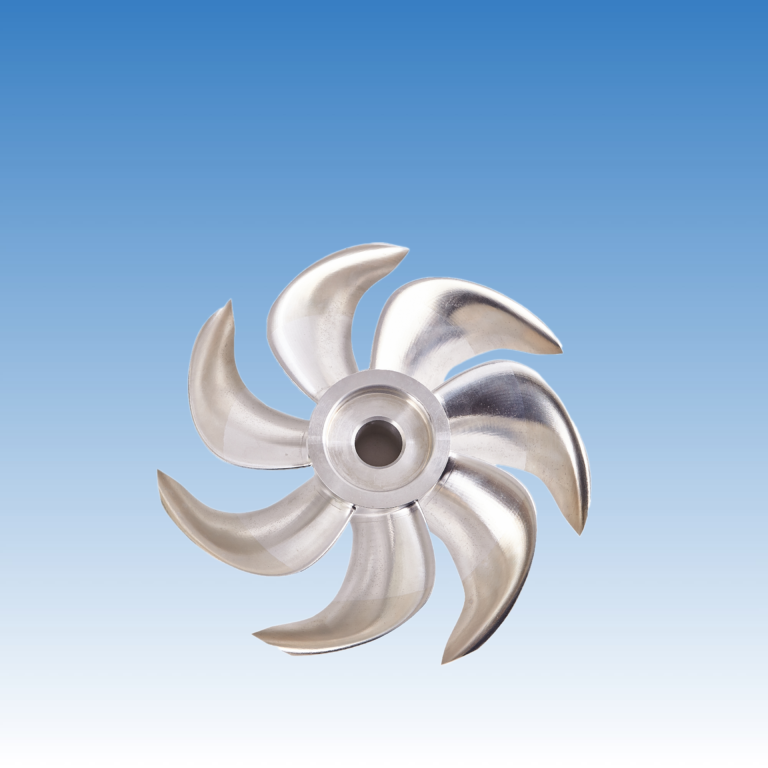
I once had a customer who insisted on aluminum fasteners instead of stainless steel. At first I thought it was just about weight. Later I realized the material choice solved several engineering problems.
Aluminum 5754 is widely used in precision fastener manufacturing because it offers good corrosion resistance, moderate strength, excellent machinability, and strong performance in marine and automotive environments.
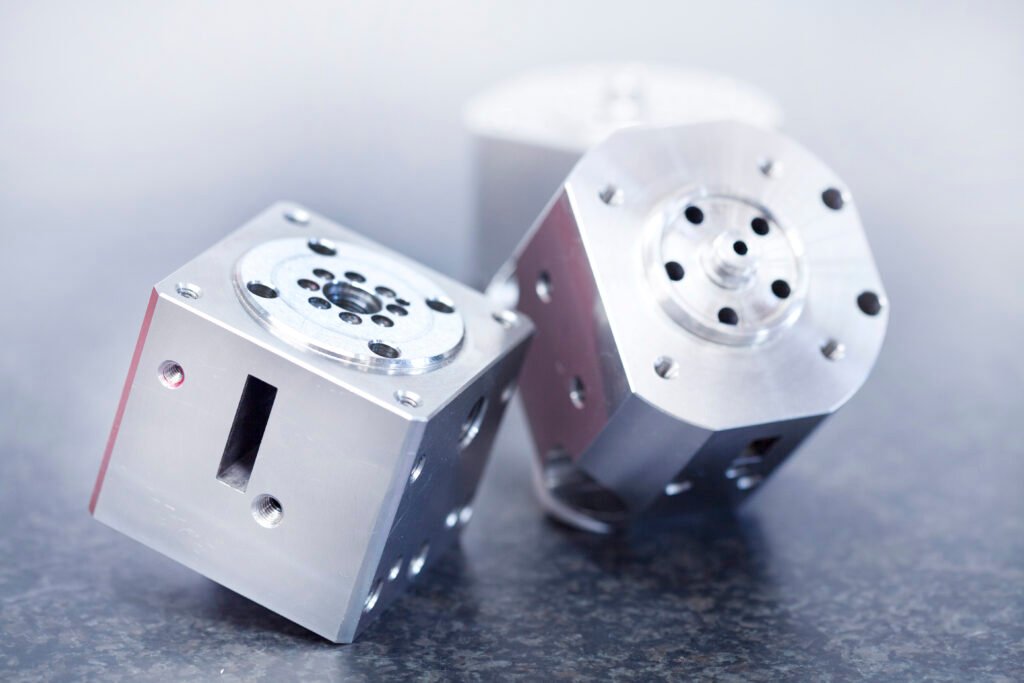
When I began working with customers in automotive and marine industries, I noticed aluminum alloys appearing more frequently in fastener specifications. Among these alloys, 5754 stood out as a practical balance between strength, corrosion resistance, and manufacturability.
What Makes Aluminum 5754 Suitable for Precision Fasteners?
Many engineers struggle when choosing the right aluminum alloy for fasteners. Some alloys are strong but difficult to machine. Others machine well but corrode easily.
Aluminum 5754 belongs to the Al-Mg alloy series and offers a balanced combination of corrosion resistance, moderate mechanical strength, and good forming ability, making it suitable for precision fasteners used in harsh environments.
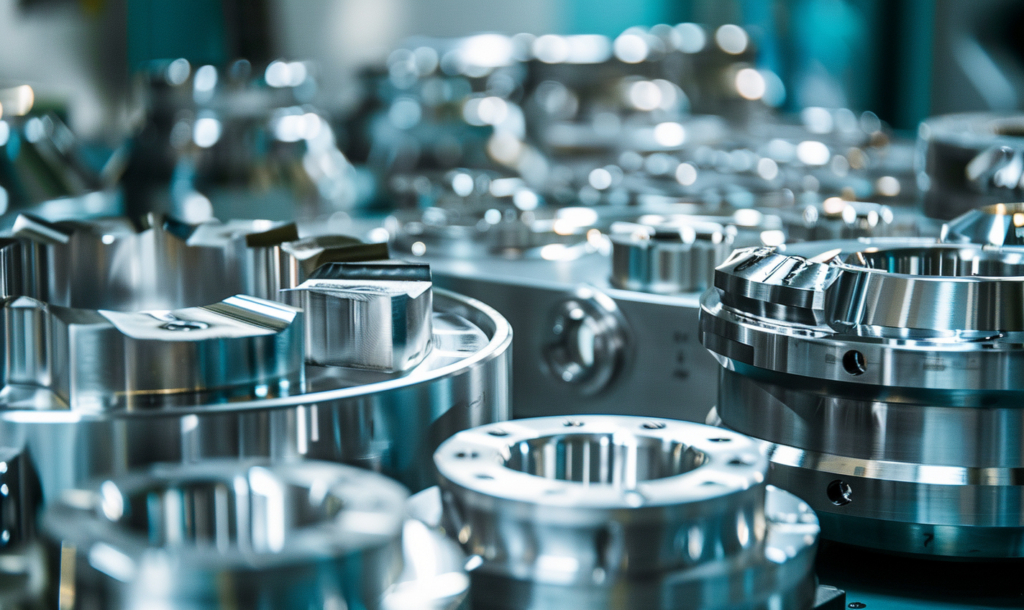
Basic Characteristics of Aluminum 5754
When I first studied aluminum materials used in machining centers, I noticed that 5754 is commonly chosen for parts exposed to moisture or salt environments.
| Property | Description |
|---|---|
| Alloy Type | Al-Mg (Aluminum-Magnesium) |
| Magnesium Content | Around 2.6–3.6% |
| Density | ~2.67 g/cm³ |
| Strength Level | Medium strength |
| Corrosion Resistance | Excellent, especially marine environment |
| Weldability | Very good |
Magnesium is the key element in this alloy. It improves corrosion resistance and increases strength compared with pure aluminum.
Why Magnesium Matters
Magnesium helps form a stable oxide layer on the aluminum surface. This layer protects the material from corrosion.
For fasteners used in marine equipment or outdoor machinery, this protection becomes very important.
In many cases, aluminum 5754 fasteners can perform well even without heavy surface coatings.
How Does 5754 Perform in Precision Machining?
For companies like mine that supply CNC parts, machinability is always a critical factor. A material may have good properties but still cause problems during machining.
Aluminum 5754 offers stable machining behavior, low cutting resistance, and good chip formation, which makes it suitable for CNC machining of precision fasteners and turned parts.
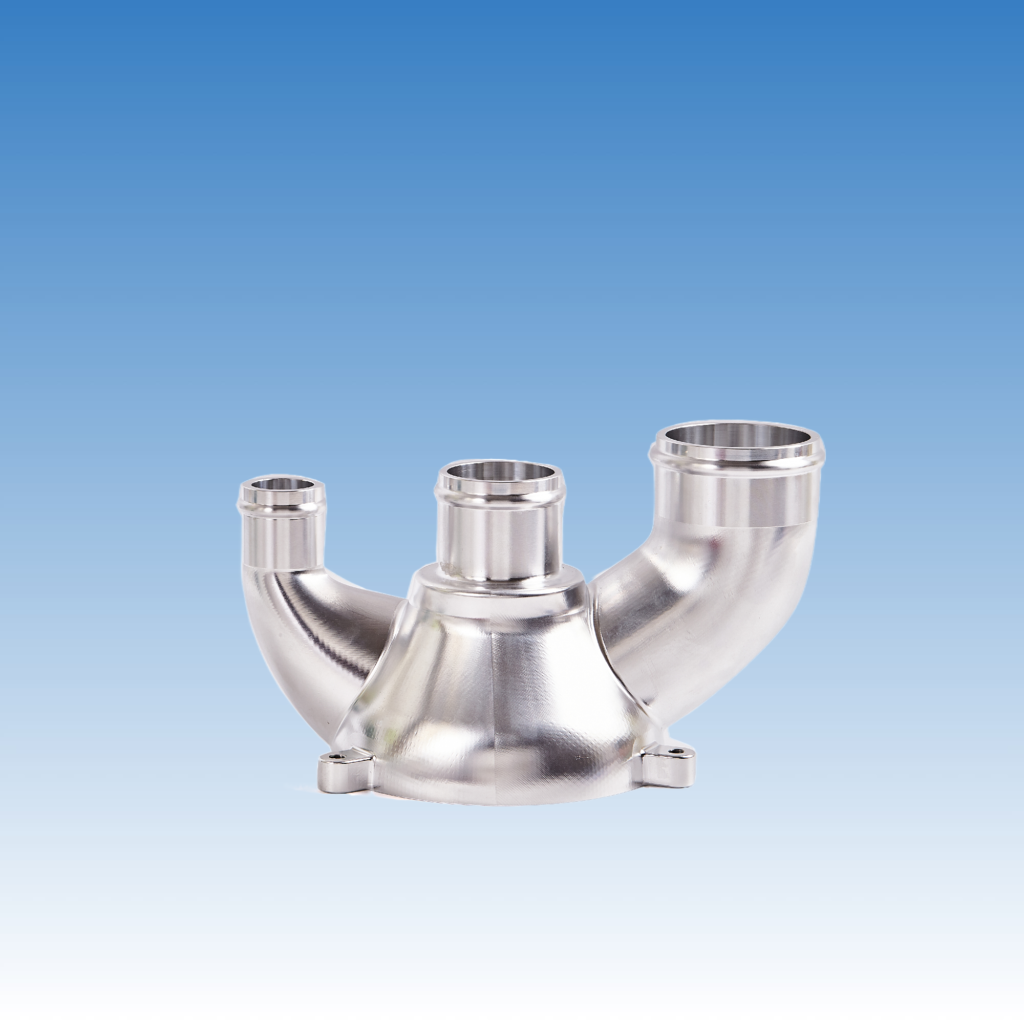
Machining Characteristics
During production, I often observe several advantages when machining 5754 alloy.
| Machining Aspect | Performance |
|---|---|
| Cutting force | Relatively low |
| Tool wear | Moderate |
| Chip formation | Stable and continuous |
| Surface finish | Good |
| Dimensional stability | Reliable |
These characteristics allow manufacturers to maintain tight dimensional tolerances in precision fasteners.
Practical Experience from CNC Production
In many projects involving Swiss-type machining, aluminum 5754 performs quite smoothly. The material does not create excessive tool wear like some harder alloys.
Also, the surface finish usually comes out clean with proper cutting parameters.
For precision screws, threaded pins, and small structural fasteners, this machining stability helps maintain consistent quality.
What Are the Mechanical Properties of Aluminum 5754 Fasteners?
Fasteners must provide sufficient strength to hold components together. Aluminum alloys are lighter than steel, but their strength varies widely depending on composition and temper.
Aluminum 5754 offers moderate mechanical strength combined with good ductility, making it suitable for medium-load fasteners used in automotive panels, marine structures, and lightweight assemblies.
Typical Mechanical Properties
The mechanical properties depend on the temper condition, such as H111, H22, or H32.
| Property | Typical Value |
|---|---|
| Tensile Strength | 190–240 MPa |
| Yield Strength | 80–160 MPa |
| Elongation | 10–20% |
| Hardness | ~60 HB |
Compared with steel fasteners, the strength is lower. However the weight advantage is significant.
Strength-to-Weight Advantage
One of the biggest benefits of aluminum fasteners is weight reduction.
| Material | Density |
|---|---|
| Carbon Steel | ~7.85 g/cm³ |
| Stainless Steel | ~8.0 g/cm³ |
| Aluminum 5754 | ~2.67 g/cm³ |
This means aluminum fasteners weigh roughly one-third of steel fasteners.
In industries such as automotive, aerospace equipment, and marine structures, reducing weight can improve fuel efficiency and system performance.
Where Are 5754 Aluminum Fasteners Commonly Used?
When customers choose aluminum fasteners, they usually focus on corrosion resistance and lightweight structures.
Aluminum 5754 fasteners are widely used in marine equipment, vehicle body panels, electronics housings, energy systems, and lightweight machinery structures.
Typical Application Industries
In my experience working with international buyers, several industries frequently request 5754 fasteners.
| Industry | Application Example |
|---|---|
| Automotive | Body panels, brackets |
| Marine | Boat structures, deck equipment |
| Electronics | Enclosures and housings |
| Energy | Solar mounting systems |
| Machinery | Lightweight equipment frames |
In marine applications especially, 5754 performs well because it resists seawater corrosion better than many other aluminum alloys.
Why Engineers Prefer It
Engineers often choose 5754 because it provides a practical compromise.
It offers stronger corrosion resistance than many common alloys like 6061 in certain environments. At the same time, it remains easy to machine and form.
This balance makes it attractive for precision fasteners.
What Surface Treatments Are Used for 5754 Fasteners?
Even though aluminum already has good corrosion resistance, surface treatments are often applied to improve durability or appearance.
Common surface treatments for aluminum 5754 fasteners include anodizing, chemical conversion coating, and powder coating to enhance corrosion resistance and surface hardness.
Common Surface Finishing Options
During production discussions with customers, these finishes appear most often.
| Surface Treatment | Purpose |
|---|---|
| Anodizing | Improve corrosion resistance and hardness |
| Chemical conversion coating | Improve paint adhesion |
| Powder coating | Decorative and protective |
| Hard anodizing | Increase wear resistance |
Among these options, anodizing is especially popular for aluminum fasteners.
Why Anodizing Works Well
Anodizing thickens the natural oxide layer on aluminum. This layer protects the metal from corrosion and also improves surface hardness.
For outdoor applications or marine environments, anodized aluminum fasteners can achieve long service life.
Conclusion
Aluminum 5754 is widely used in precision fasteners because it provides corrosion resistance, moderate strength, lightweight structure, and stable machinability for industries such as automotive, marine, and machinery.