

Application of DIN 76 Standard in Precision Fasteners
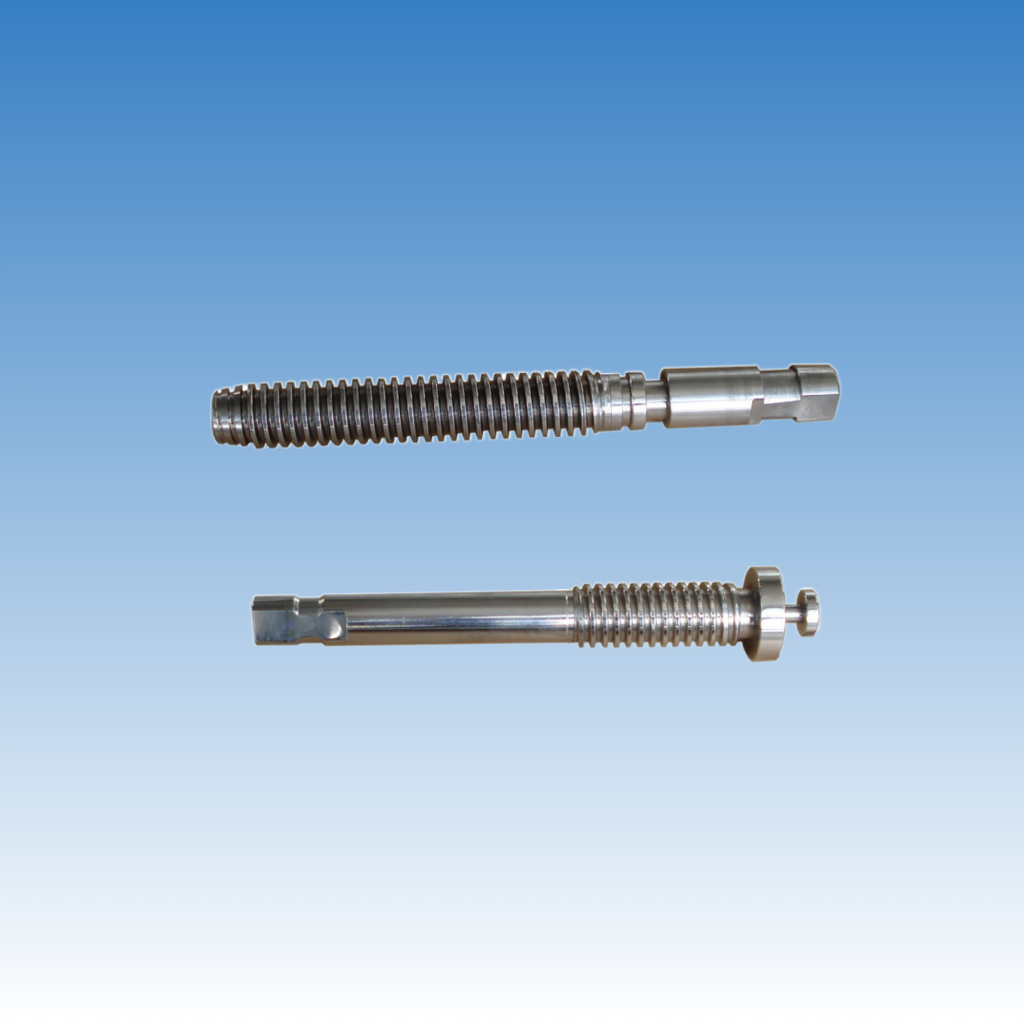
In the manufacturing of precision fasteners, thread design and machining are critical factors that determine the performance, safety, and interchangeability of the components. Among the many international standards for thread production, the DIN 76 standard plays a crucial role—especially in defining the chamfering and termination of threaded holes and bolts. This article explores the key […]
Welding Process Overview: Advantages and Disadvantages in High-Efficiency Precision Manufacturing

Welding is one of the most widely used and essential joining methods in modern manufacturing. From heavy machinery, aerospace and automotive components to precision electronic devices, medical instruments, and metal microstructures, welding plays a vital role in efficient and permanent metal joining. As demands for high-efficiency and precision manufacturing continue to grow, welding technologies are […]
Casting Process Explained: Advantages and Disadvantages of High-Efficiency Precision Manufacturing
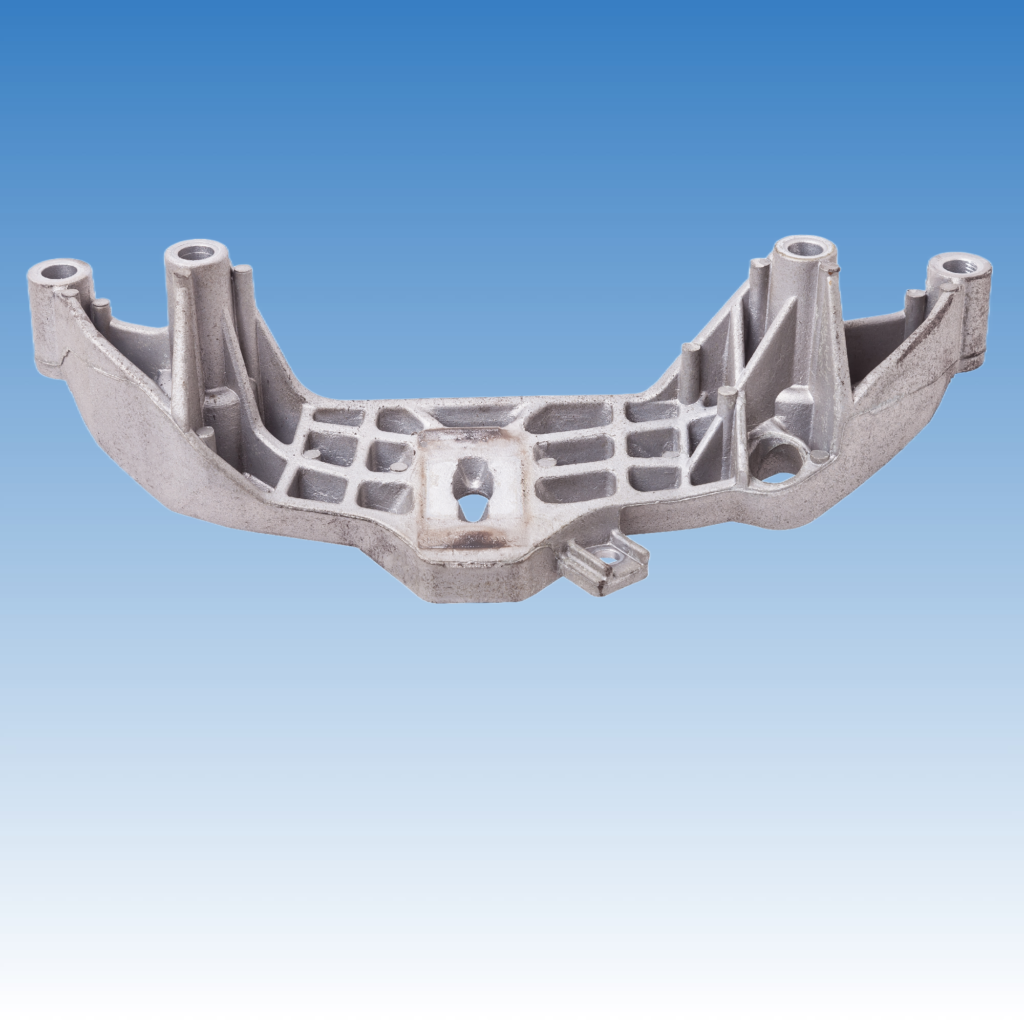
Casting is one of the oldest yet most essential manufacturing processes in the metalworking industry. In modern applications across automotive, aerospace, machinery, energy, and transportation sectors, metal casting continues to play a vital role—especially when it comes to producing complex, large-volume parts with balanced cost and performance. This article provides a complete overview of the […]
Common Copper Materials Used in Precision Fasteners: Properties, Pros and Cons
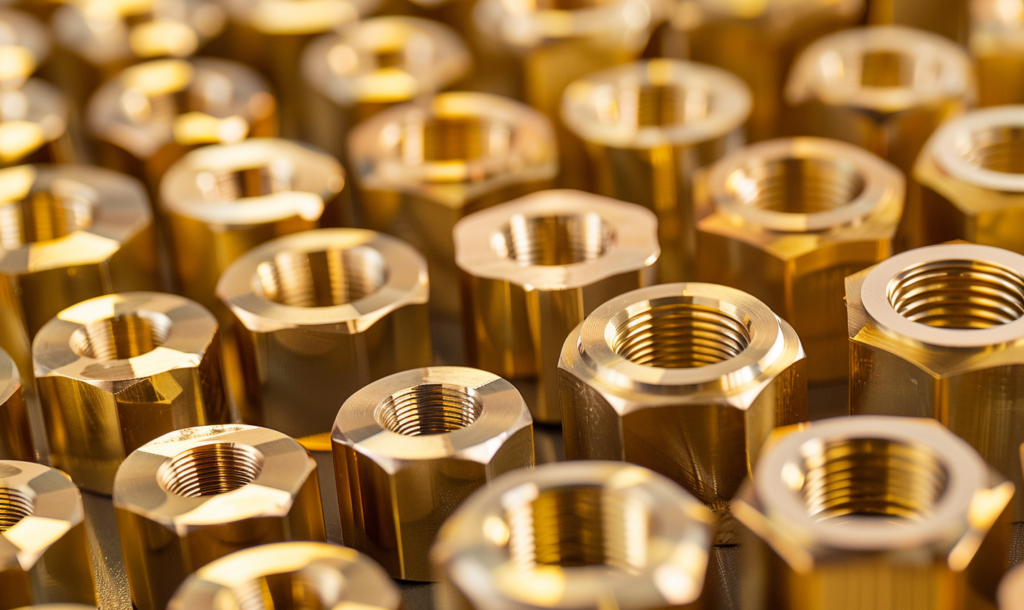
In industries such as electronics, telecommunications, power systems, medical devices, and aerospace, precision fasteners are essential not only for mechanical connection and alignment but also for electrical conductivity, corrosion resistance, and stability in demanding environments. For applications requiring electrical and thermal conductivity, copper and copper alloys are often the preferred choice. This article introduces the […]
Common Types of Free-Cutting Steel for Precision Fasteners
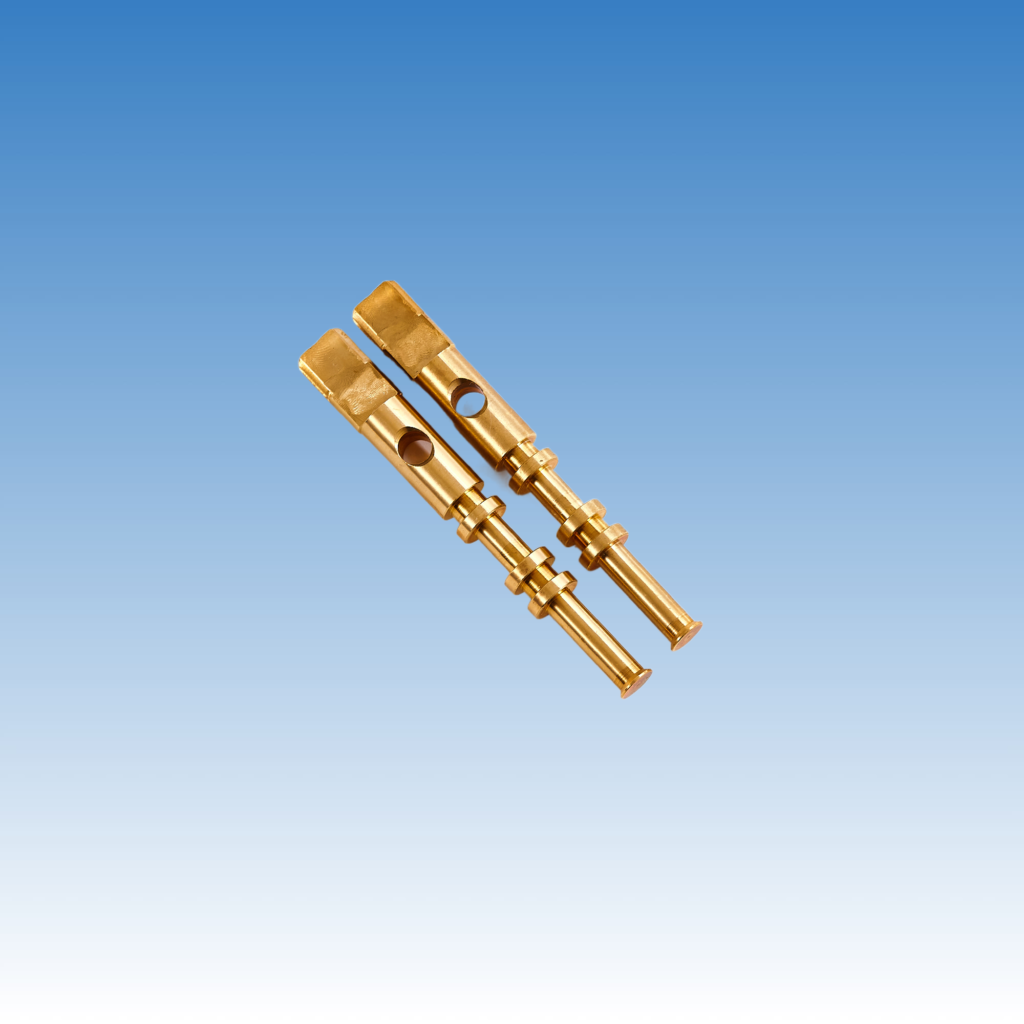
Ⅰ. Free-Cutting Carbon Steels: 12L14, 1215, SUM22, SUM23, S12C Key Features: Based on low carbon steel with sulfur and/or lead added for improved machinability. Low cost, widely available, and extremely easy to machine. Ideal for small screws, pins, shafts, and non-load-bearing fastener components. Material Comparison: Grade Additives […]
Common Stainless-Steel Materials Used in Precision Fasteners: Characteristics, Advantages and Disadvantages
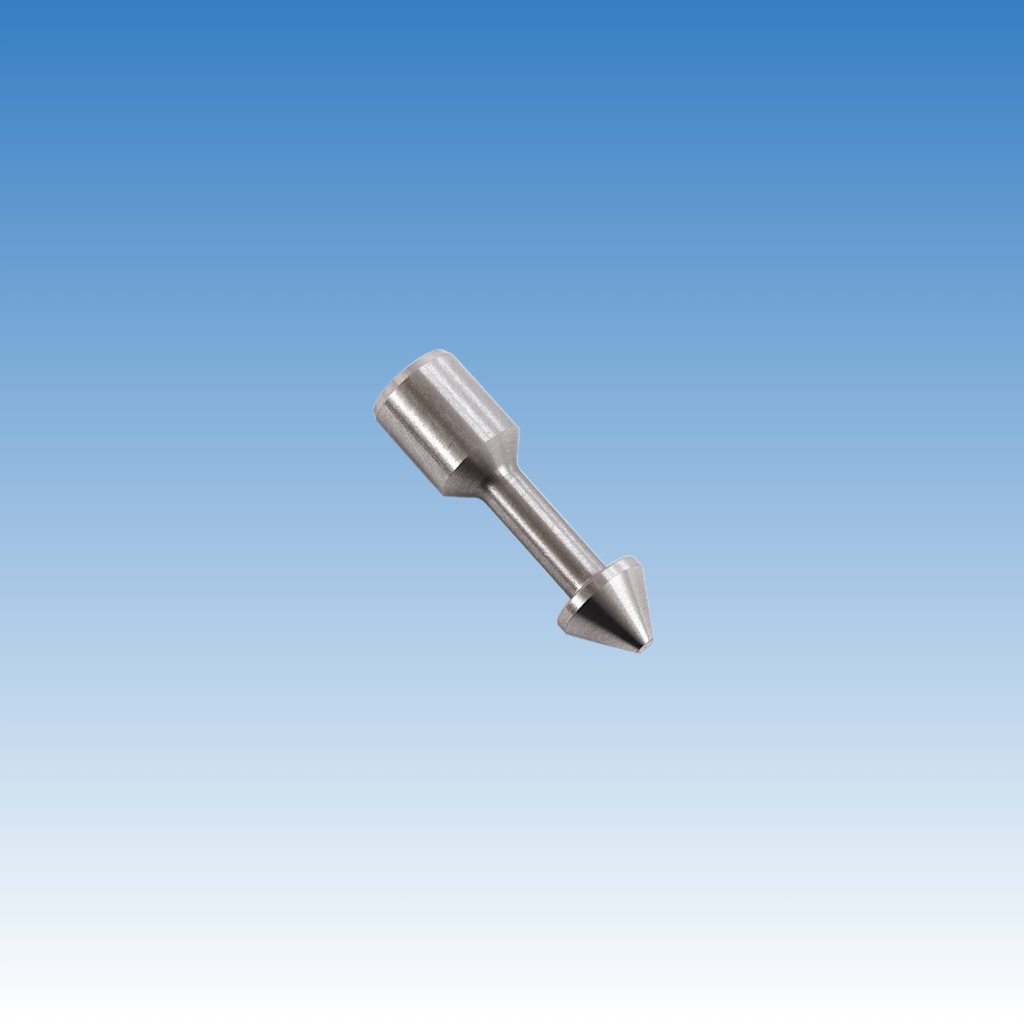
In industries such as machinery, electronics, medical devices, renewable energy, and automotive manufacturing, precision fasteners play a vital role in ensuring structural integrity and assembly accuracy. Among all material choices, stainless steel stands out for its excellent corrosion resistance, stable mechanical performance, and wide availability. It is widely used in producing screws, bolts, nuts, and […]
Common Aluminum Materials for Precision Fasteners and Their Advantages and Disadvantages
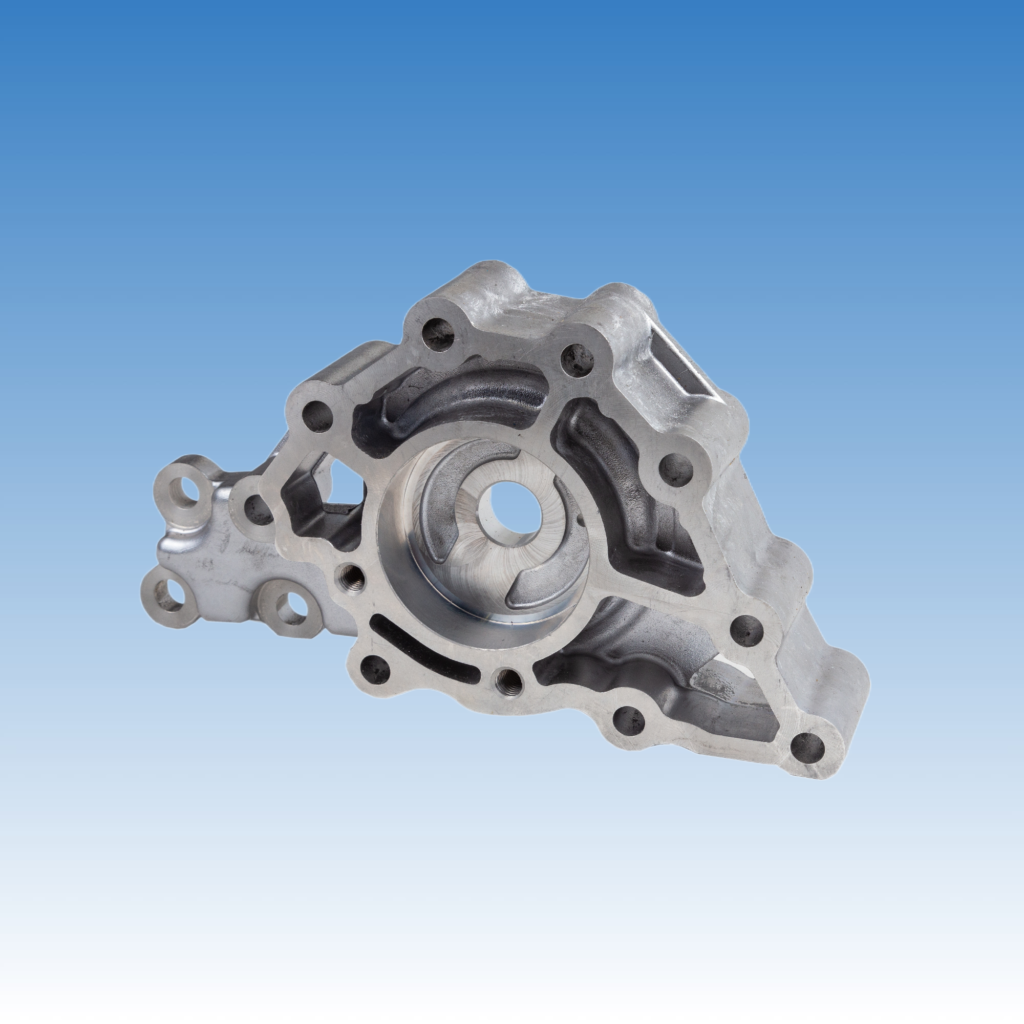
The choice of materials is crucial in the production of precision fasteners. Aluminum alloys, known for their lightweight, high strength, and excellent machinability, are widely used in the manufacturing of precision fasteners for industries such as automotive, aerospace, and electronics. This article provides a detailed introduction to the common aluminum materials used for precision fasteners […]
The Role, Advantages, and Disadvantages of Galvanization and Zinc Coating
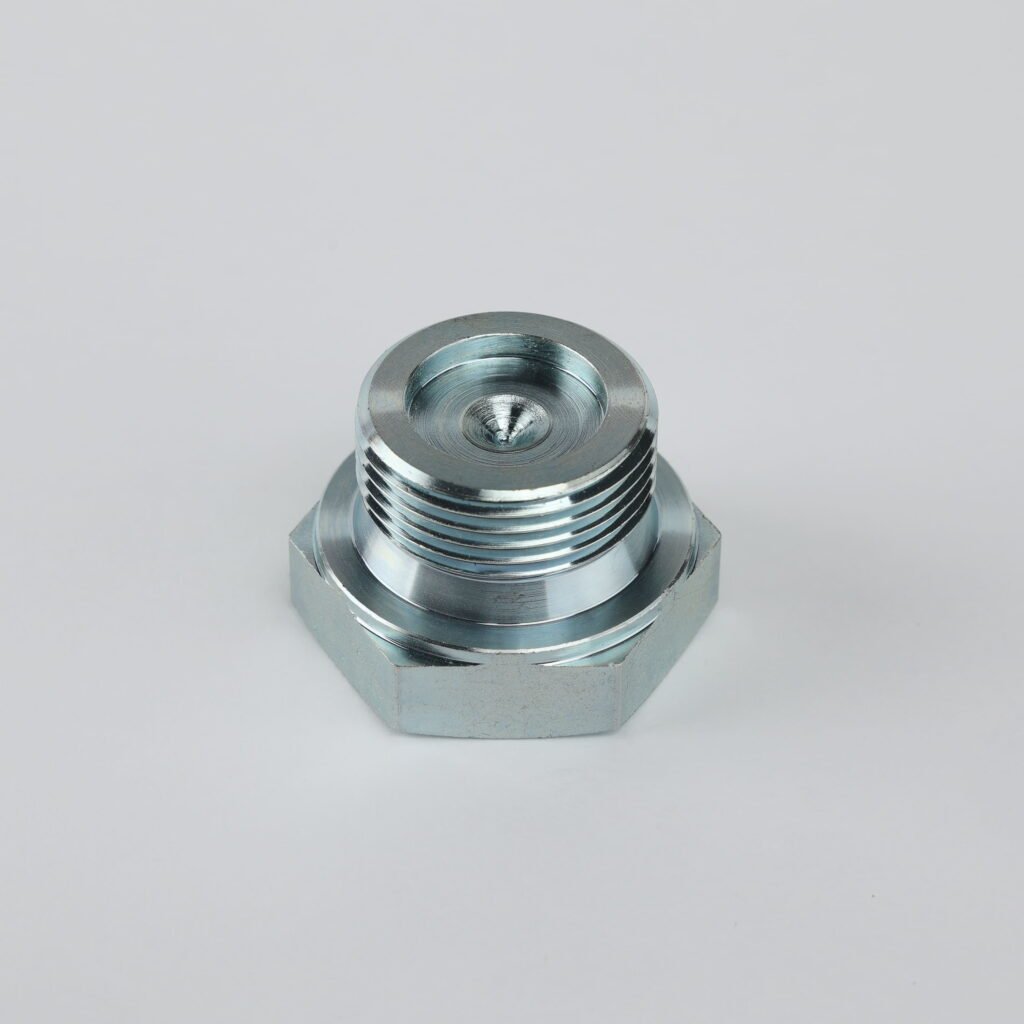
In industrial manufacturing, corrosion protection plays a critical role in extending the lifespan of products and ensuring the stable operation of equipment. Galvanization and zinc coating are among the most common anti-corrosion methods, widely used in industries such as steel, construction, machinery, and home appliances. While both processes involve the use of zinc as the […]
Introduction to 10 Common Thread Locking Adhesive Brands and Their Advantages and Disadvantages
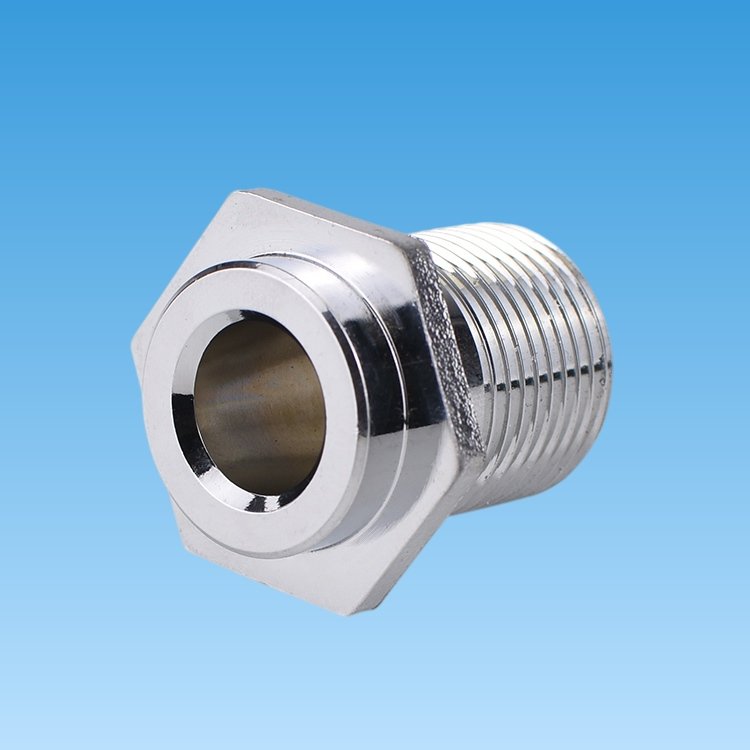
Ⅰ. Overview of Thread Locking Adhesives Thread locking adhesives are widely used in industrial applications where fastener stability, sealing, anti-corrosion, and vibration resistance are critical. By applying these specific adhesives to threaded connections, the performance of fasteners is significantly improved. With the increasing need for secure and durable fastening solutions, various brands have developed distinct […]
Types and Functions of Thread Coating
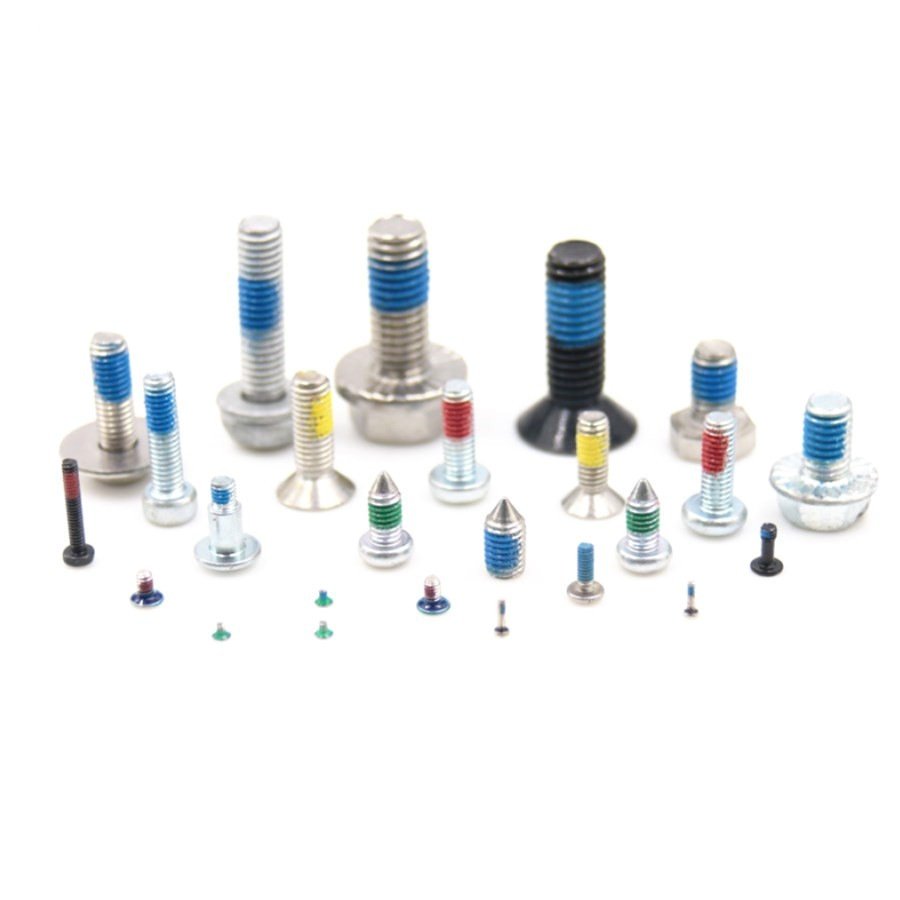
Ⅰ. Overview of Thread Coating Thread coating is a process in which specific functional adhesives are applied to threaded fasteners (such as bolts, nuts, and screws) to enhance the stability, anti-loosening properties, sealing performance, and corrosion resistance of threaded connections. Thread coating technology is widely used in the automotive, aerospace, electronics, construction, and machinery manufacturing […]
Comparison of Material Properties and Application Analysis of AISI 303 and AISI 304
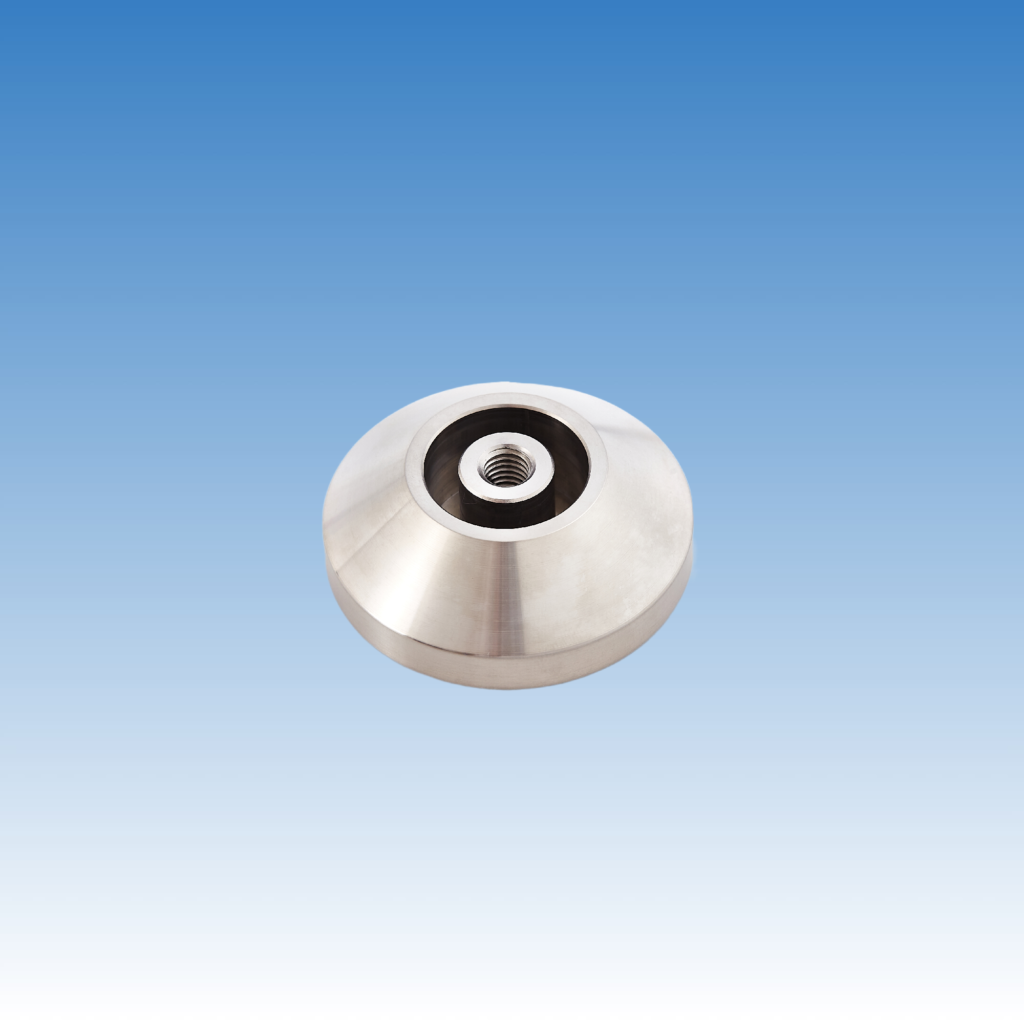
Introduction Stainless steel is widely used in modern industrial manufacturing due to its excellent corrosion resistance, mechanical properties, and broad range of applications. AISI 303 and AISI 304 are two of the most common grades of austenitic stainless steel, differing in chemical composition, mechanical properties, and machining characteristics, making them suitable for different applications. This […]
Application of Dacromet Coating in Precision Fasteners
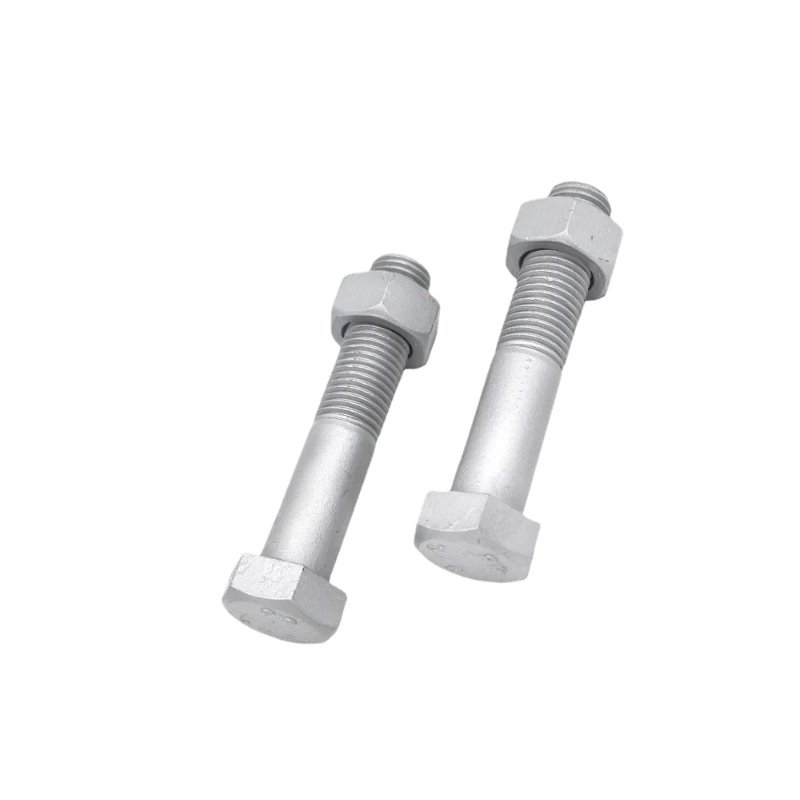
Introduction With continuous advancements in industrial manufacturing, precision fasteners are increasingly used in aerospace, automotive, electronics, construction, and mechanical engineering. To ensure fasteners’ stability and durability in complex environments, surface treatment technology plays a crucial role. Dacromet coating, a high-performance anti-corrosion coating, has been widely applied in precision fasteners due to its excellent corrosion resistance, […]