

How Are CNC Precision Machined Aluminum Alloy Housings Used in Industrial Equipment?
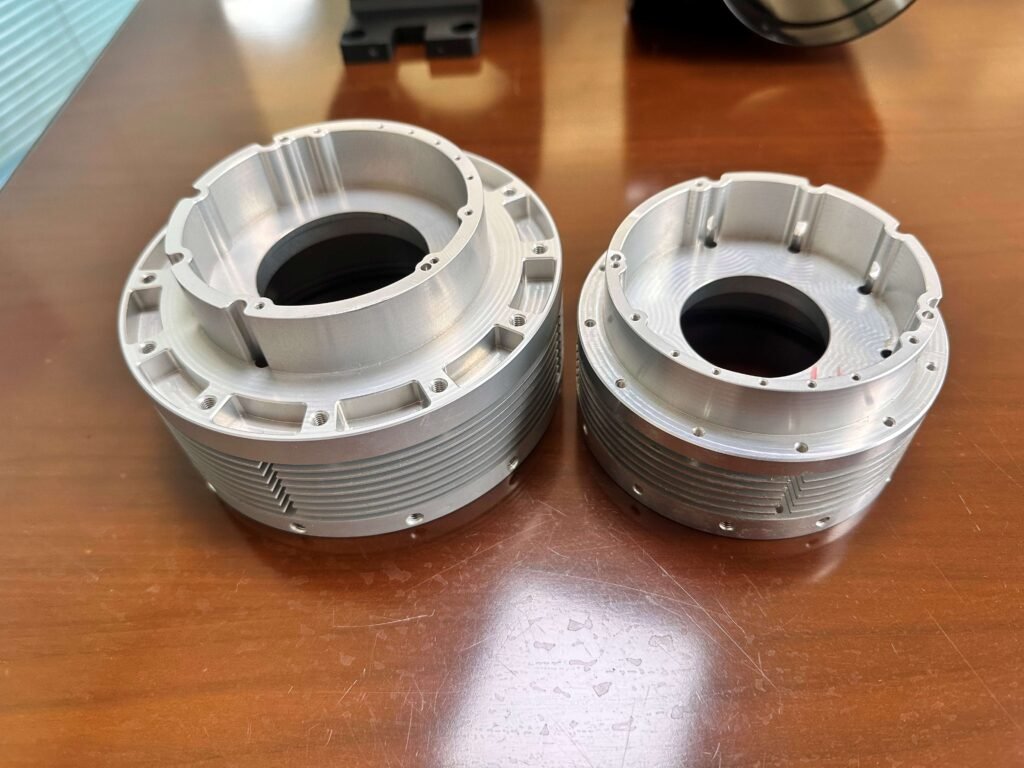
Industrial equipment often fails because of weak housings, poor heat control, or unstable structures. I have seen machines stop working simply because the enclosure could not handle vibration, heat, or corrosion. CNC precision machined aluminum alloy housings solve these problems by offering high strength, light weight, good heat dissipation, and precise dimensions. Many industrial machines […]
How to Polish Anodized Aluminum Products?
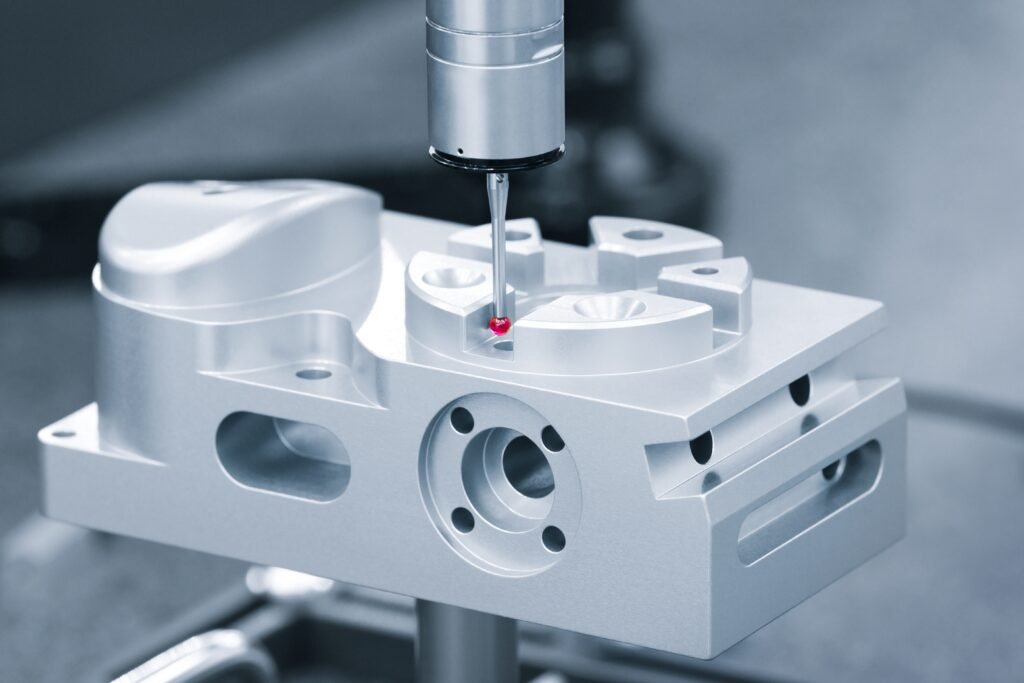
When anodized aluminum loses its shine, it looks dull and old, even if the part is still strong and usable. You can polish anodized aluminum by cleaning the surface, removing oxidation carefully, and finishing with a protective polish that restores shine without damaging the anodized layer. ) If you want to restore the look of […]
How Is DIN 17611 Applied in Precision Fasteners?
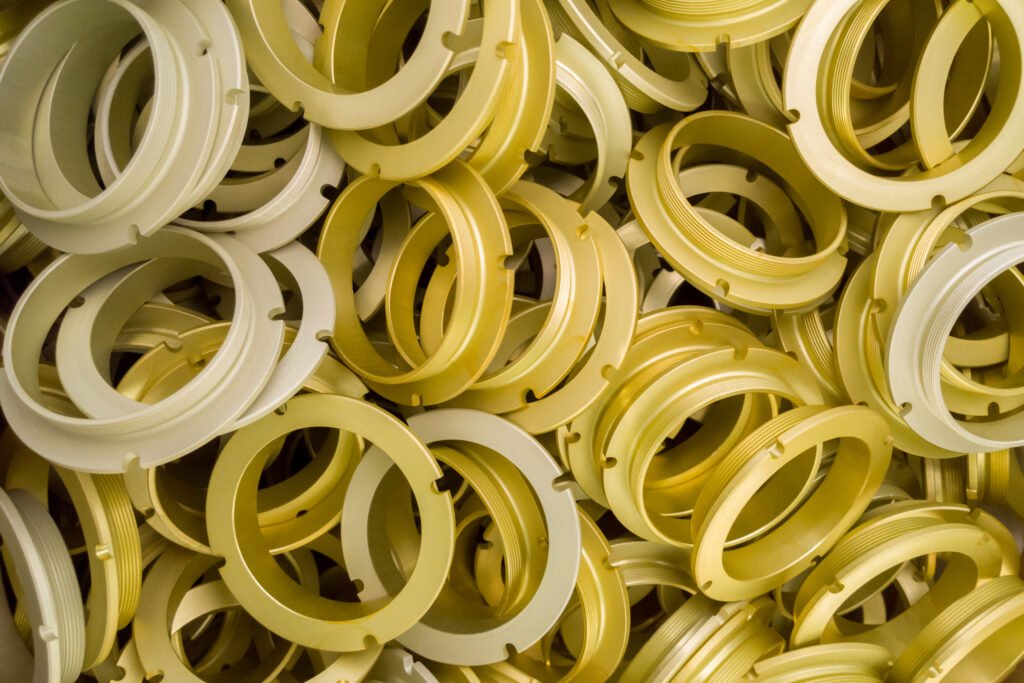
When precision fasteners fail, the cause is often weak surface treatment. DIN 17611 offers a trusted standard for anodized coatings on aluminum that solves these problems. DIN 17611 sets clear rules for anodized coatings on aluminum fasteners. It ensures corrosion protection, color stability, surface quality, and wear resistance, making it vital for high-performance industries. A […]
How Is ISO 1456 Applied in Precision Fasteners?
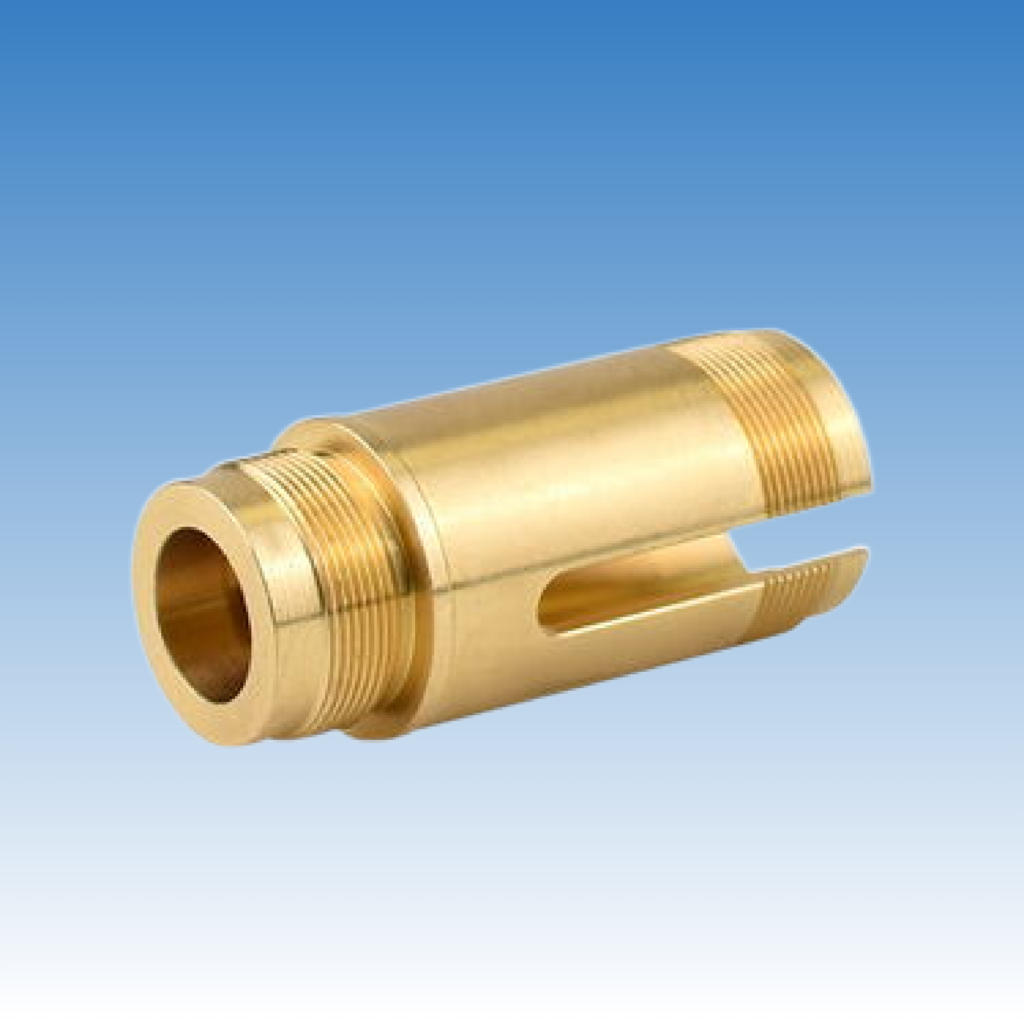
Many precision fasteners fail early because of poor surface protection. This causes costly replacements and safety risks in demanding industries. ISO 1456 is applied to precision fasteners by defining electroplated coating requirements, corrosion resistance levels, thickness standards, and testing methods to ensure durable and reliable performance. ) When I first learned about ISO 1456, I […]
Why Is ISO 19598 Important for Precision Fasteners?

When a fastener fails, even a small one, the entire machine can break down. This leads to downtime, costly repairs, and sometimes safety hazards. ISO 19598 is important for precision fasteners because it sets clear, international rules for design, production, and testing, ensuring consistency, performance, and safety across industries that depend on fasteners. In global […]
How Can You Achieve Ideal and Matching Anodized Aluminum Colors?
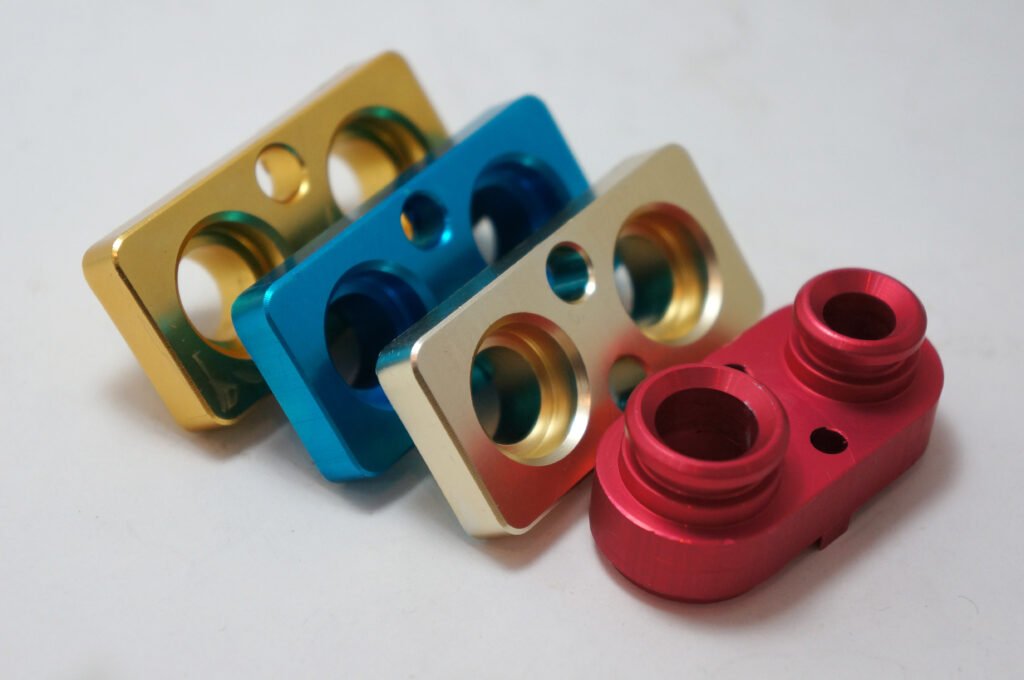
When your anodized aluminum parts don’t match, everything else falls apart—especially in industries where appearance is quality. To get consistent anodized aluminum colors, control the alloy, surface finish, pretreatment, anodizing parameters, and dyeing steps. Good suppliers track these carefully and run samples before full production. The color mismatch issue doesn’t just affect the look—it can […]
Machined Aluminum vs. Cast Aluminum: Which Is Right For Your Project?
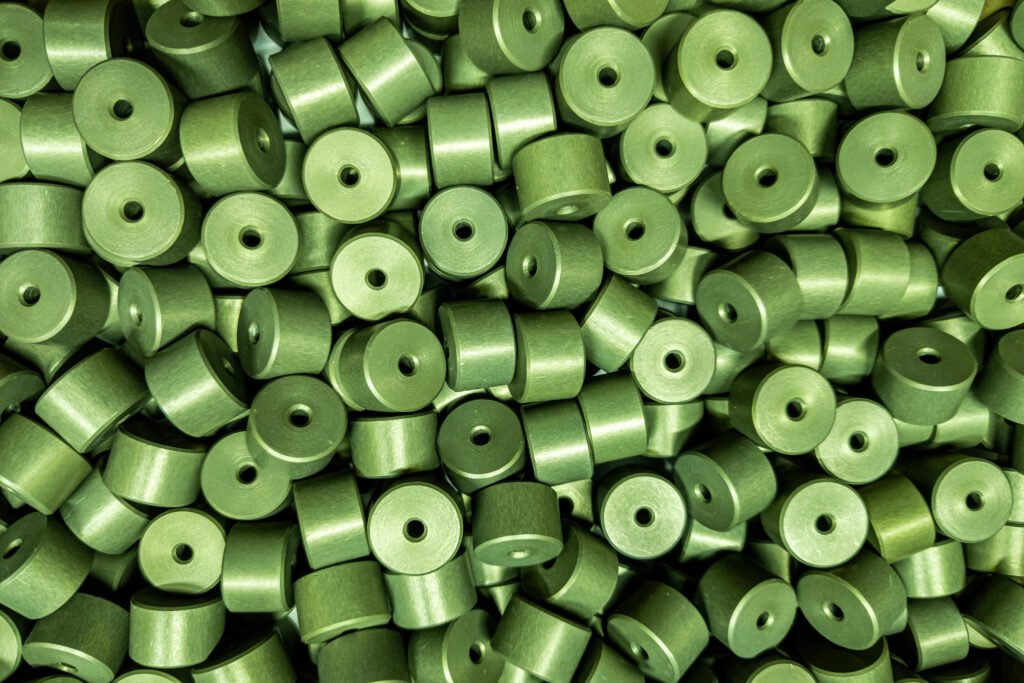
Choosing between machined aluminum and cast aluminum can feel confusing—both sound strong, precise, and efficient, but they suit very different project needs. Machined aluminum offers higher precision and strength, while cast aluminum is better for complex shapes and lower costs. The best choice depends on your design, budget, and end-use. When sourcing aluminum parts for […]
What factors affect the cost of custom CNC machined parts?
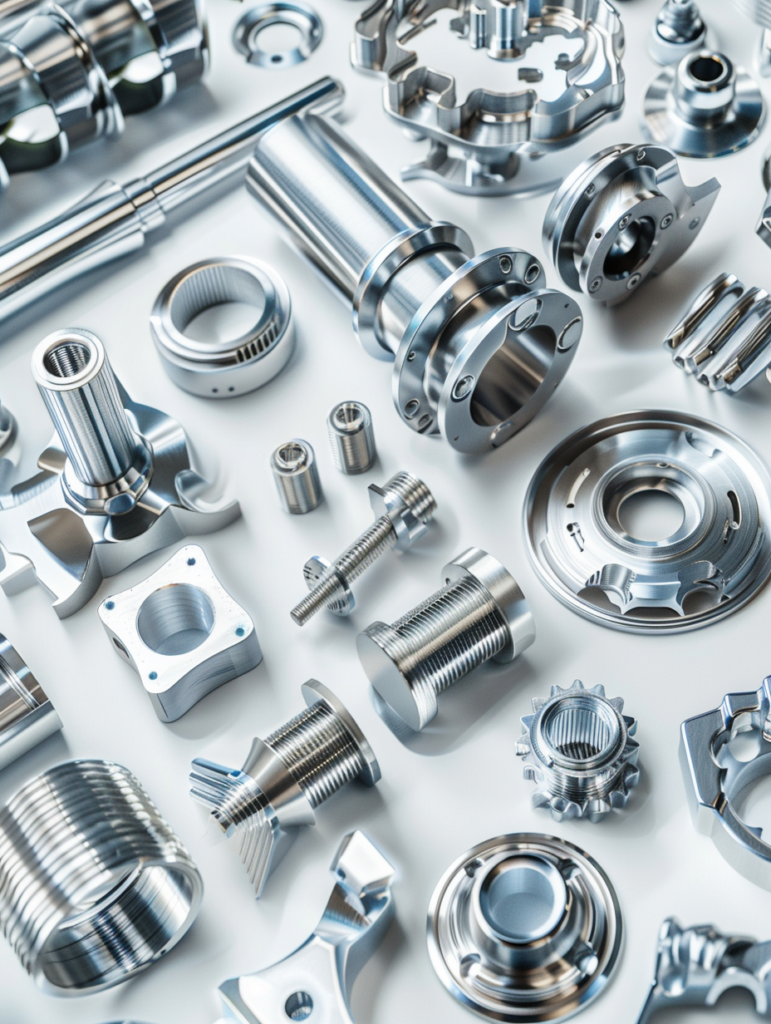
A customer once told me, “Your price is 30% higher than your competitor.” But when I asked about material, finish, and tolerances, he realized he had skipped the details. CNC costs depend on material, part complexity, machine time, quantity, surface finish, and tolerances. Every detail impacts your quote. Understanding these cost drivers helps buyers get […]
Aluminum vs. Steel: Which Metal is Right for Your Machining Parts?
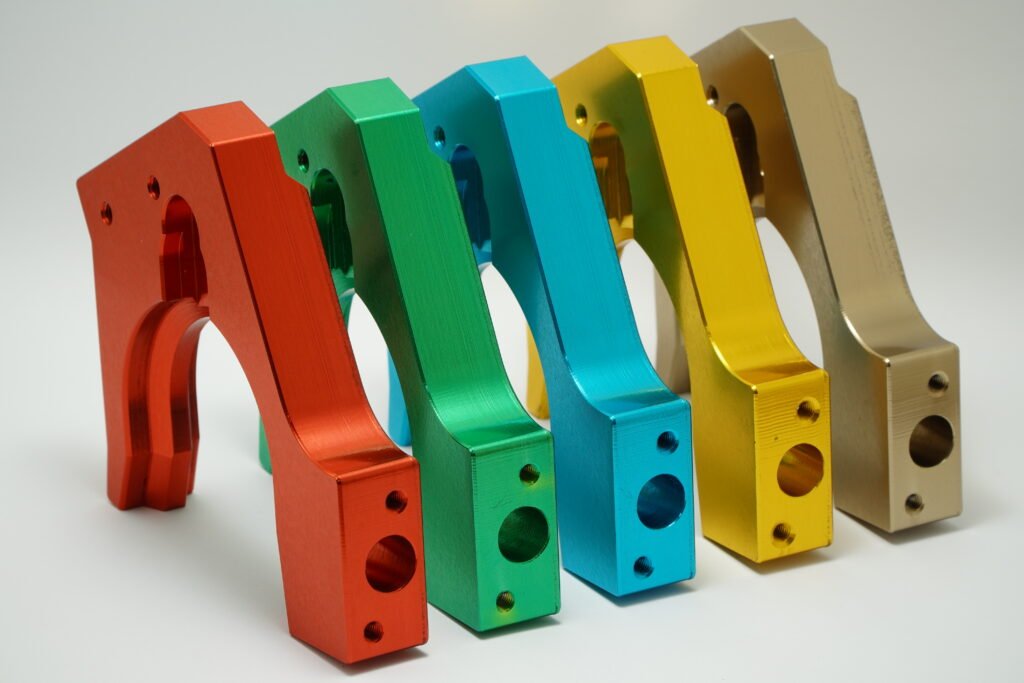
I remember quoting both aluminum and steel for the same part—and the customer asked, "Which one should I choose?" That moment made me realize the value of clear guidance. Aluminum is lighter and easier to machine. Steel is stronger and more wear-resistant. The right choice depends on strength, weight, cost, and performance needs. Let’s look […]
What Should You Know About Metal Strength: Yield Strength vs. Tensile Strength in Machined Parts?
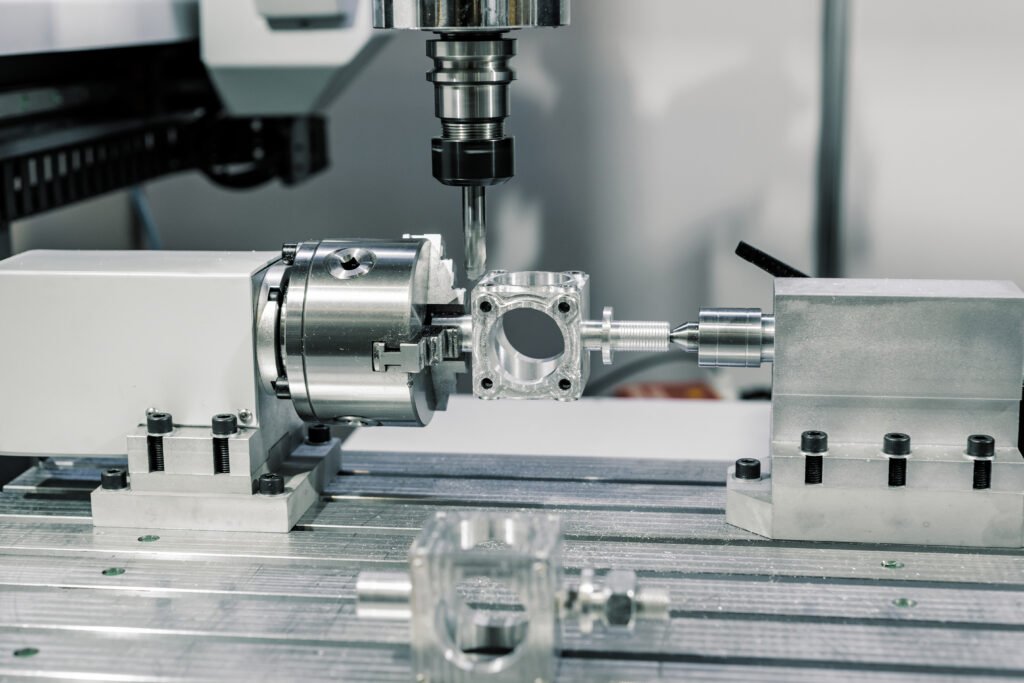
A client once rejected a batch—he said our parts bent too soon. I checked. The yield strength didn’t match what he expected. Yield strength shows when metal starts to bend. Tensile strength shows when it breaks. You need both to design and buy the right machined parts. This knowledge affects everything—material choice, pricing, safety. I’ll […]
What Are the Common Fastener Technical Issues Faced by 3.1 Certificate Customers and How to Solve Them?
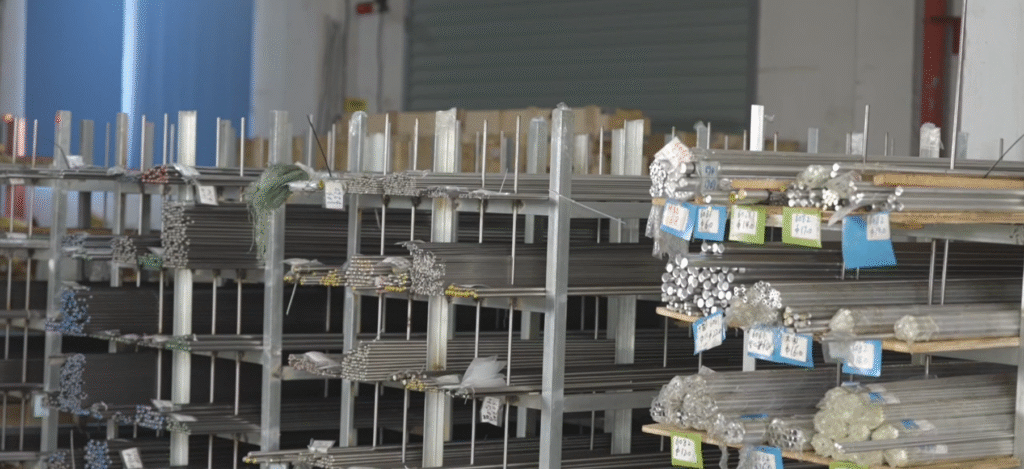
I faced a headache when a customer doubted our fastener’s certificate—this shakes trust and delays delivery. These issues can break supply chains: misread certificates, wrong material grades, and missing traceability—let’s fix each one. Doubts slow orders and drain trust. Each issue erodes confidence. Let’s tackle them head-on. What is Certificate 3.1 according to EN 10204? […]
How Do Different Coatings Affect Torque Control in Fasteners?
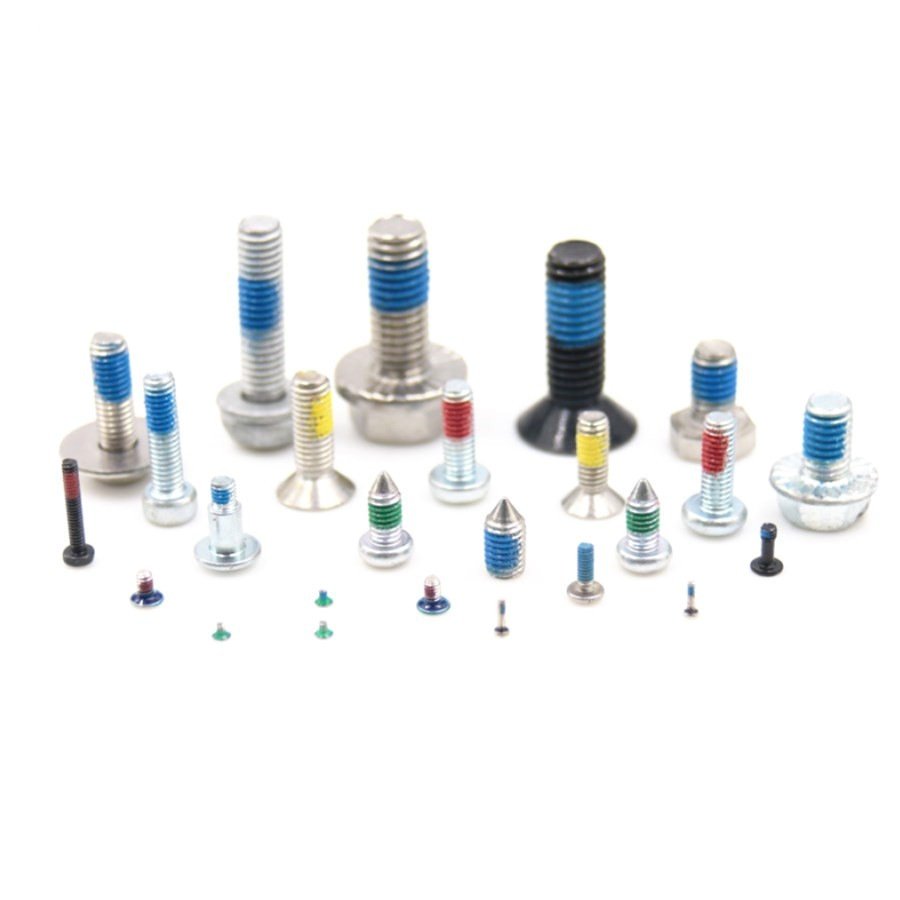
Experiencing inconsistent bolt performance? I struggled too until I realized coating makes a big difference. Coatings change friction levels on threads and under heads, affecting torque-tension relationship and installation accuracy. When tightening bolts, coating isn’t just about corrosion—it can change how much torque actually turns into clamp force. Let’s dive in. What are the different […]