

What Are the Environmental Differences Between Dacromet and Zinc Flake Coatings?
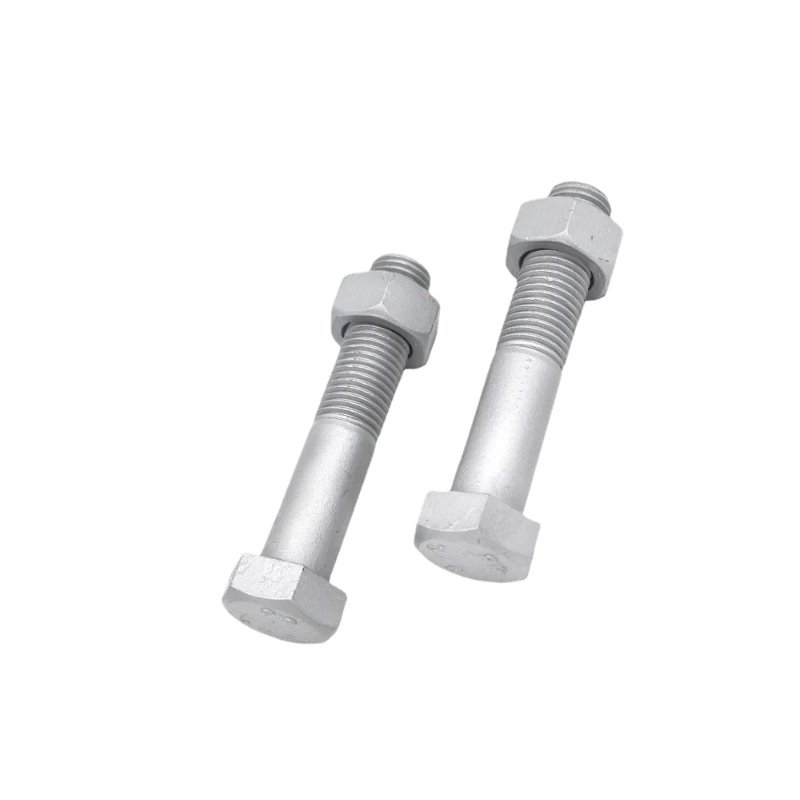
Worried your current coating is hurting your compliance goals? I used to ignore the coating’s chemistry—until it cost me a major European client. Zinc flake coatings are generally safer for the environment than Dacromet, mainly because they avoid hexavalent chromium and generate less hazardous waste. Today’s buyers expect more than just corrosion resistance. You need […]
What Are the Differences in Appearance and Performance Between Color Zinc and Blue-White Zinc Coatings?

Zinc coatings might look similar at first glance, but beneath the surface, the differences in color, performance, and application can be huge. Color zinc coatings (yellow zinc) offer better corrosion resistance than blue-white zinc coatings, but blue-white zinc has a cleaner appearance and is often chosen for aesthetic or regulatory reasons. While zinc coatings all […]
What Are the Material Selection Standards for Corrosion Resistance in Marine Fasteners?
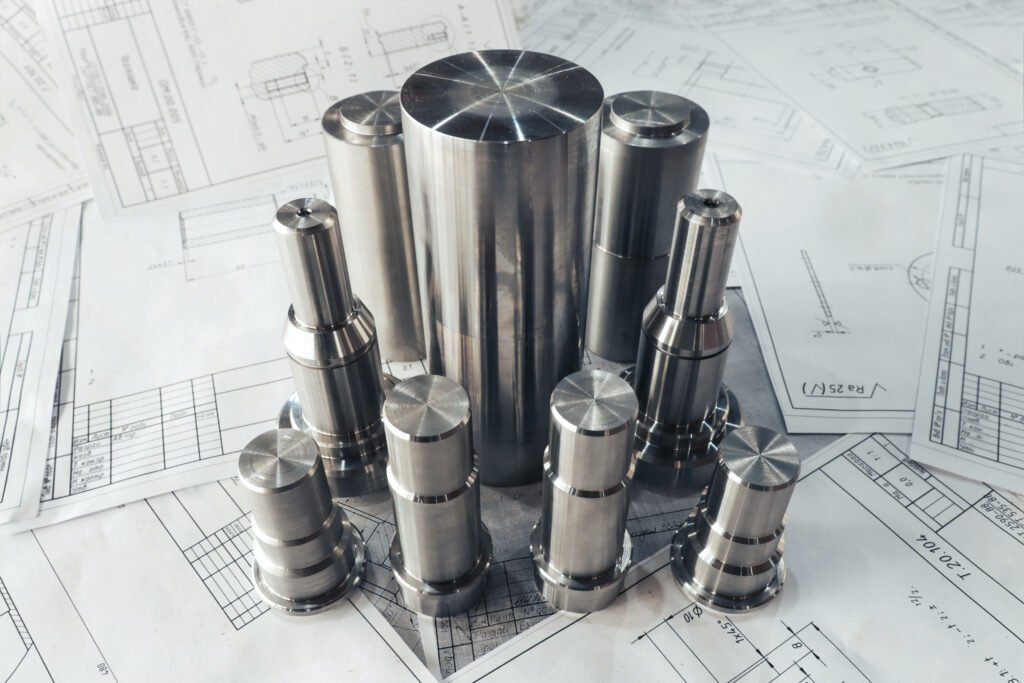
Marine environments are brutal on fasteners—constant salt spray, moisture, and pressure destroy unprotected materials fast. To resist marine corrosion, fasteners must be made from marine-grade stainless steel, silicon bronze, or use high-performance coatings like zinc-nickel or ceramic. When I supply fasteners for marine or offshore clients, corrosion resistance is always their first concern. One wrong […]
What Is the Relationship Between Torque, Clamping Force, and Elastic Modulus of Materials?
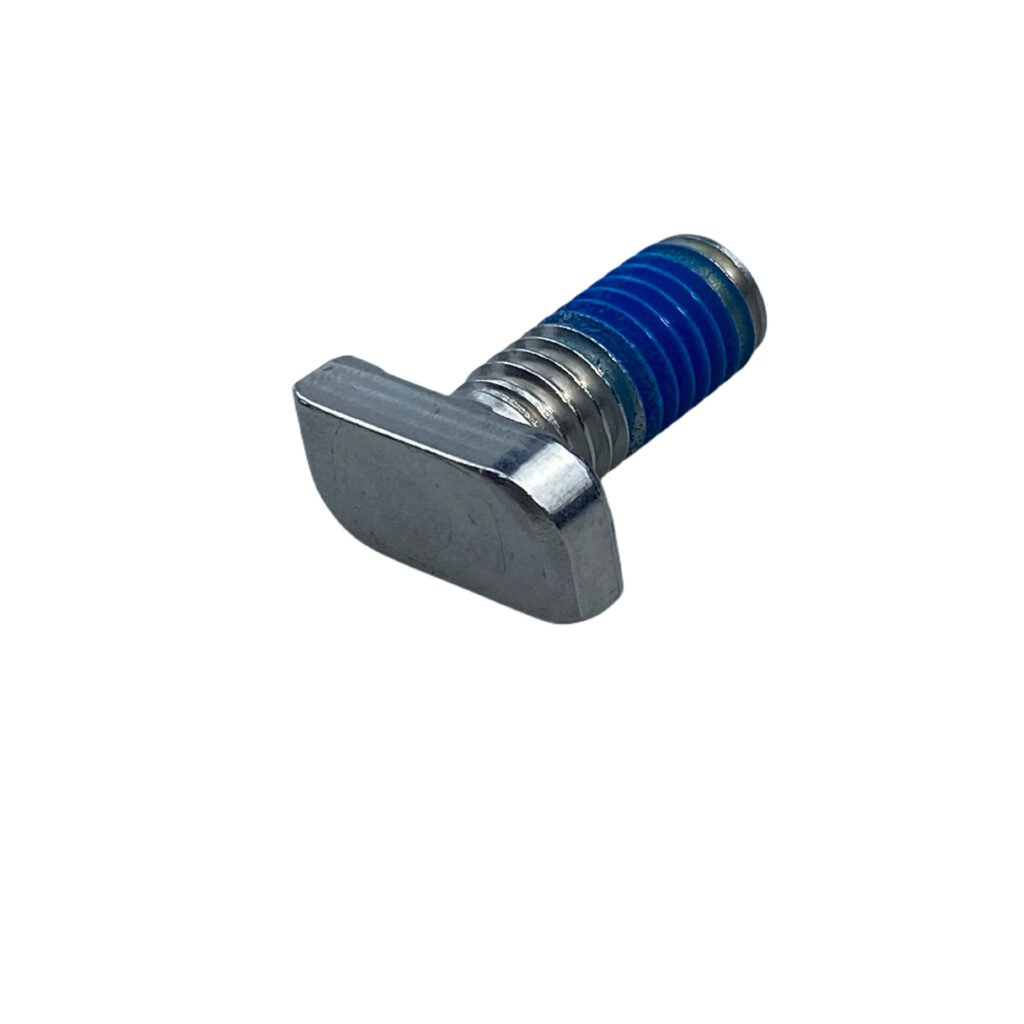
Tightening a bolt might seem simple—but the forces at play are complex, and the material’s behavior changes everything. Torque creates clamping force by stretching the bolt like a spring. The relationship depends on friction, thread geometry, and the material’s elastic modulus. In the fastener world, I often see confusion between torque and clamping force. Many […]
How Does Plating Thickness Affect Salt Spray Resistance Performance?
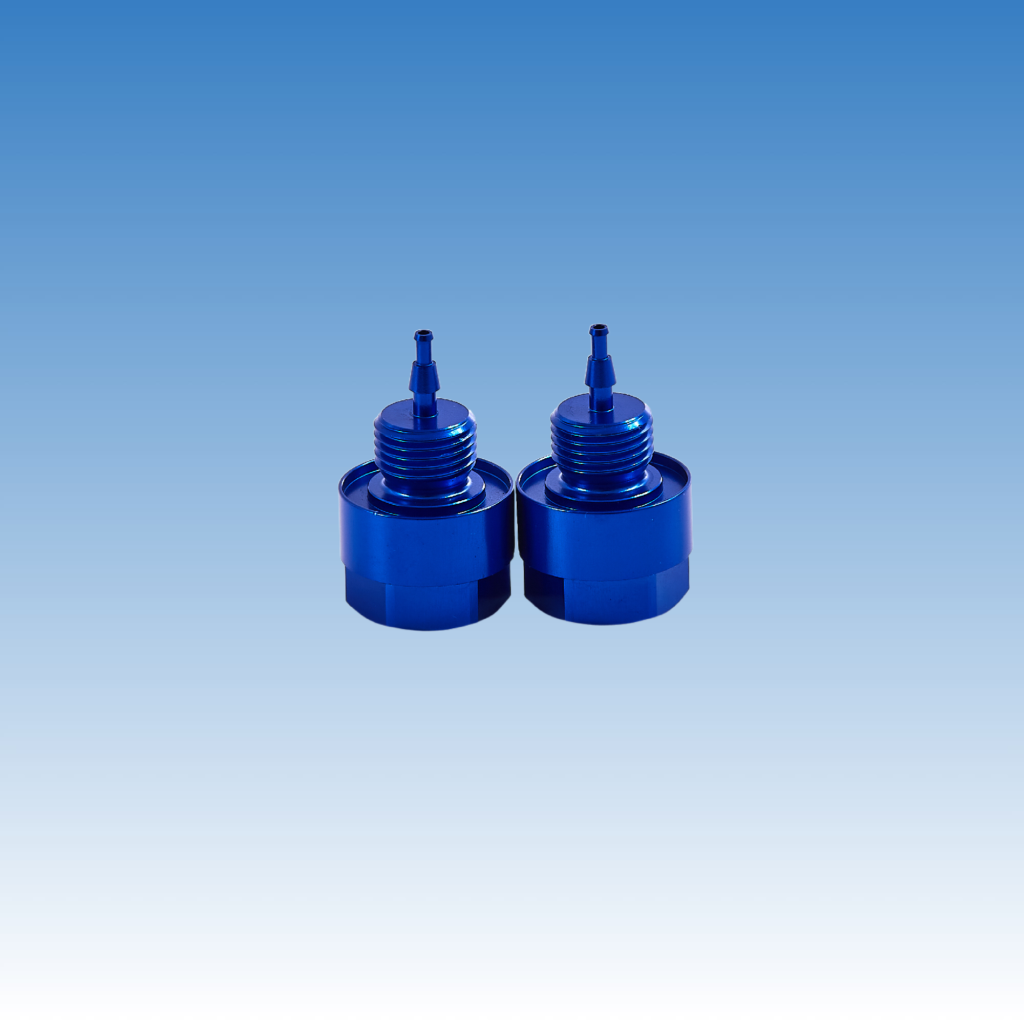
When it comes to corrosion resistance, plating thickness isn’t just a number—it’s a key line of defense in salt-rich environments. Thicker plating layers generally provide longer protection against salt spray corrosion by acting as a barrier and delaying substrate exposure. Many clients think of plating as a cosmetic detail. But in my experience, especially with […]
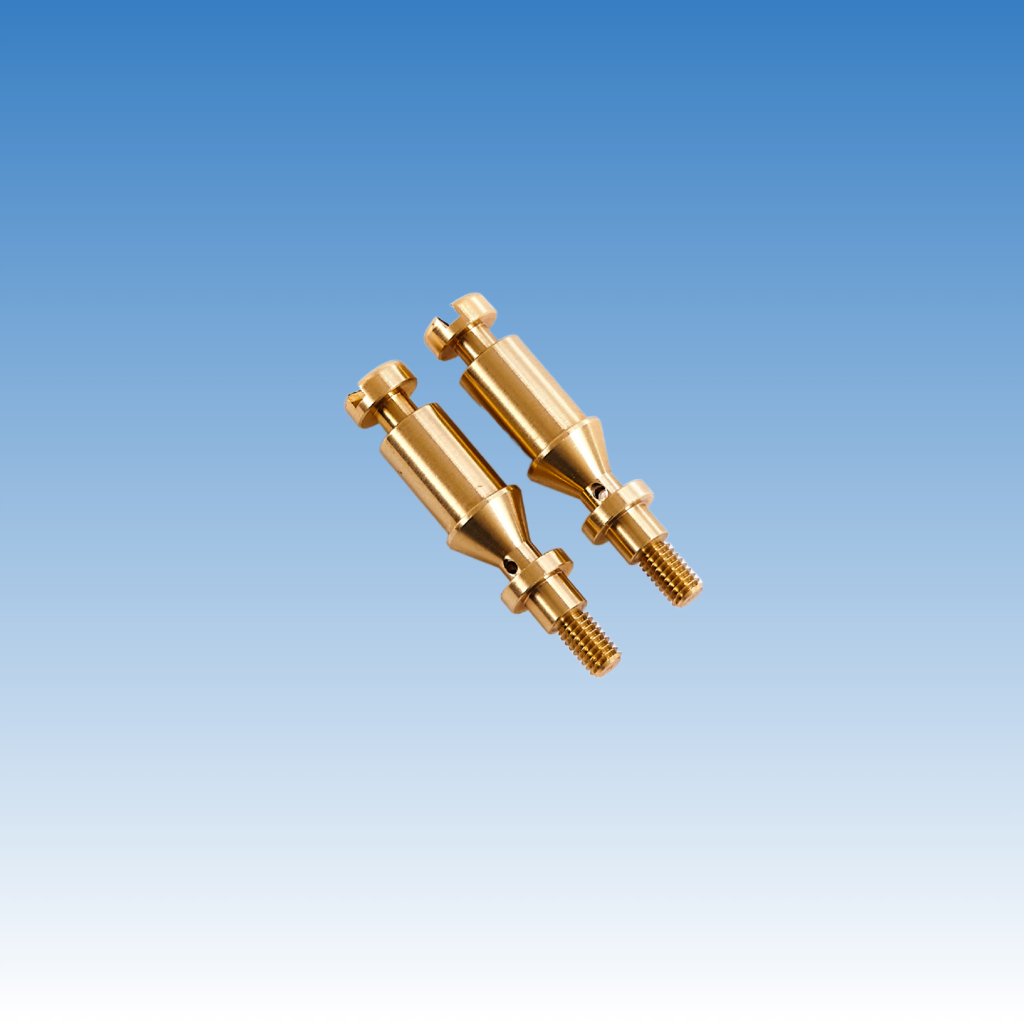
Copper fasteners aren’t just chosen for color or softness—they offer serious benefits in environments where conductivity and corrosion resistance matter most. Copper fasteners provide excellent electrical conductivity and natural corrosion resistance, making them ideal for electrical, marine, and industrial applications where reliability over time is critical. Over the years, I’ve helped clients in electronics and […]
What Are the Technical Key Points in Custom Manufacturing of Non-Standard Nuts?
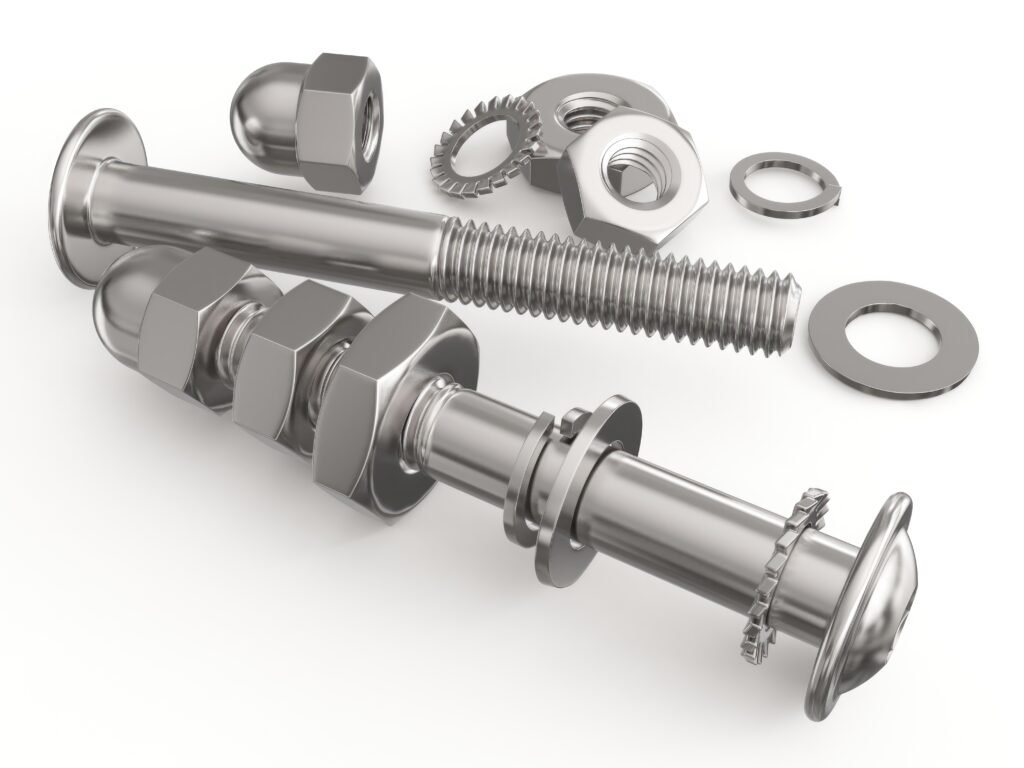
Non-standard nuts might look simple—but behind each custom design lies a chain of precision, materials, and inspection that can’t afford to go wrong. To manufacture non-standard nuts correctly, focus on material selection, forming process, thread precision, and tight quality control across every production stage. I’ve helped clients source custom nuts for everything from automotive to […]
How to Prevent Damage During International Shipping of Fasteners?

Fastener shipments seem small—but without the right protection, they can arrive damaged, scattered, or even rusted. To prevent damage during international shipping, use strong packaging, moisture protection, secure labeling, and work with reliable freight forwarders who understand industrial goods. I’ve shipped thousands of fasteners to Europe and North America. They may be small parts, but […]
What Are the Common Problems and Solutions in Precision Tapping Operations?
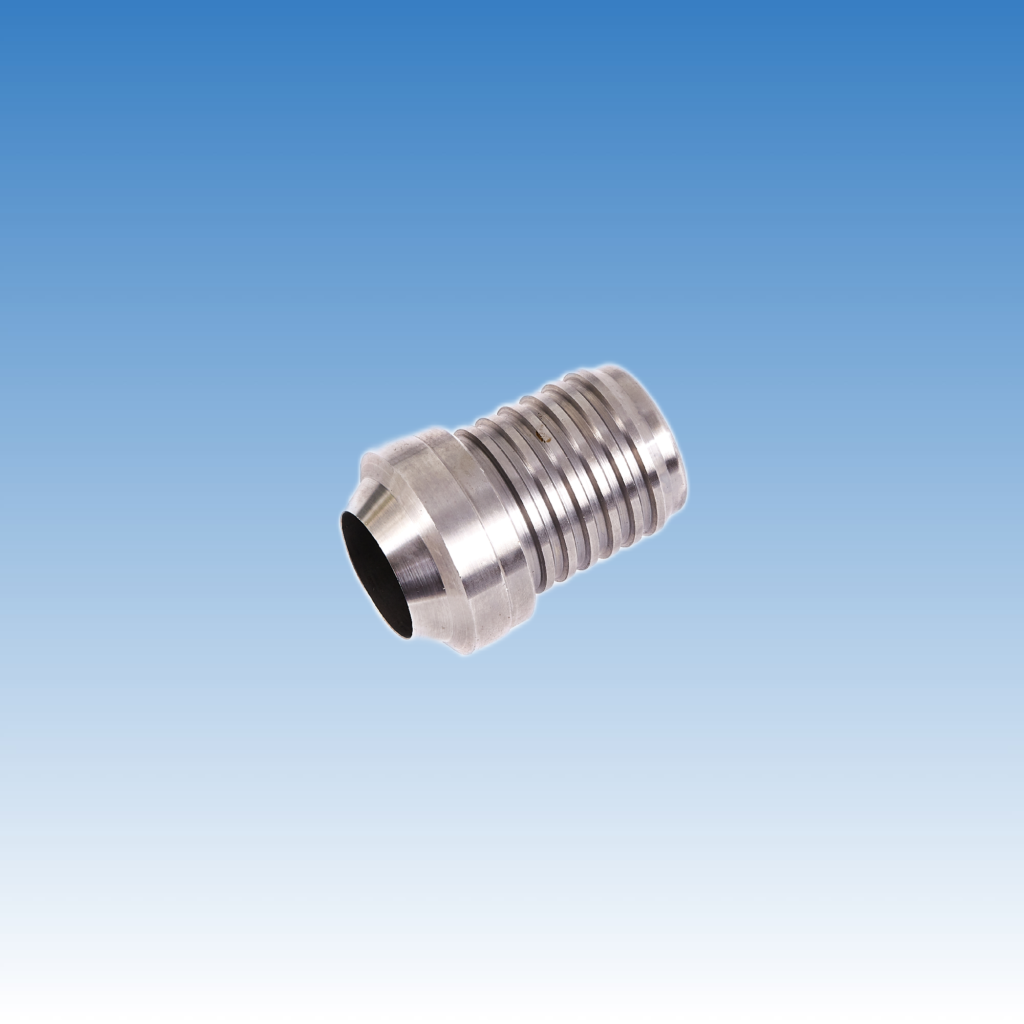
Precision tapping sounds simple—but even small mistakes can cost you scrap parts, broken tools, and missed deadlines. To solve common tapping problems, you need to control alignment, choose the correct tap and drill size, maintain lubrication, and manage chip removal effectively. Tapping is one of those machining processes that looks easier than it is. Whether […]
How Can Deformation Be Prevented During the Machining of Fasteners?
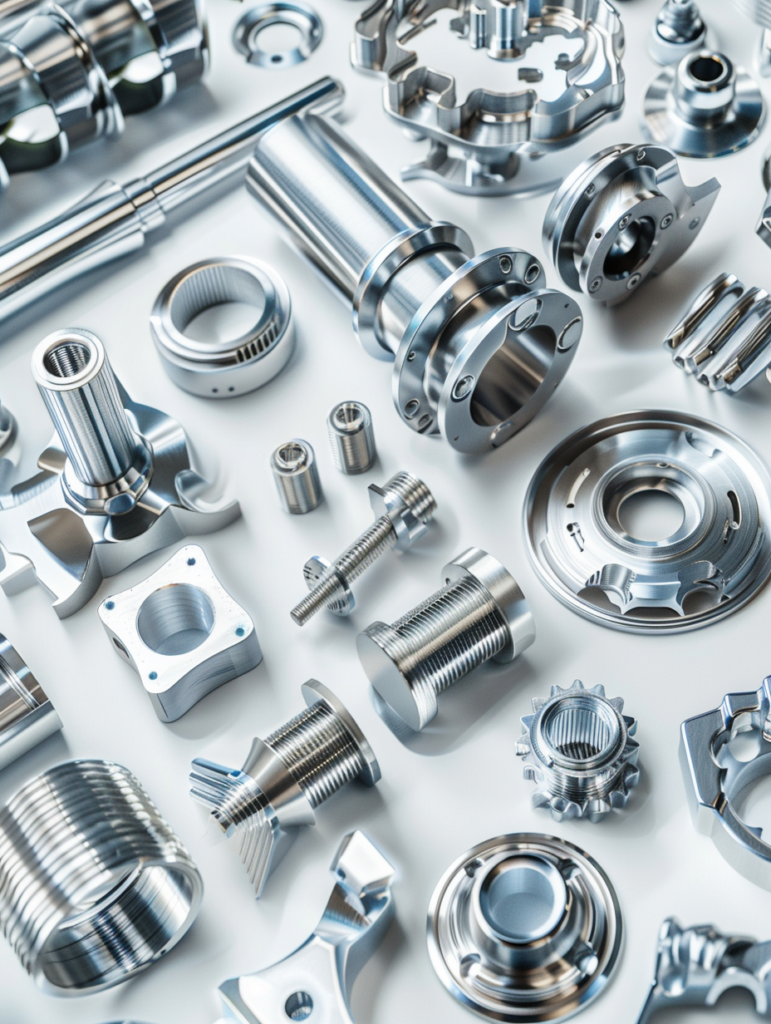
Machining fasteners looks simple, but once deformation shows up, even the best machines can’t guarantee good parts. To prevent deformation during machining, control cutting force, temperature, and stress release through proper tooling, process planning, and material handling. It’s a frustrating problem. I’ve had buyers reject large batches over small deviations in shape. They think we […]
What is the heat treatment process for bolts?
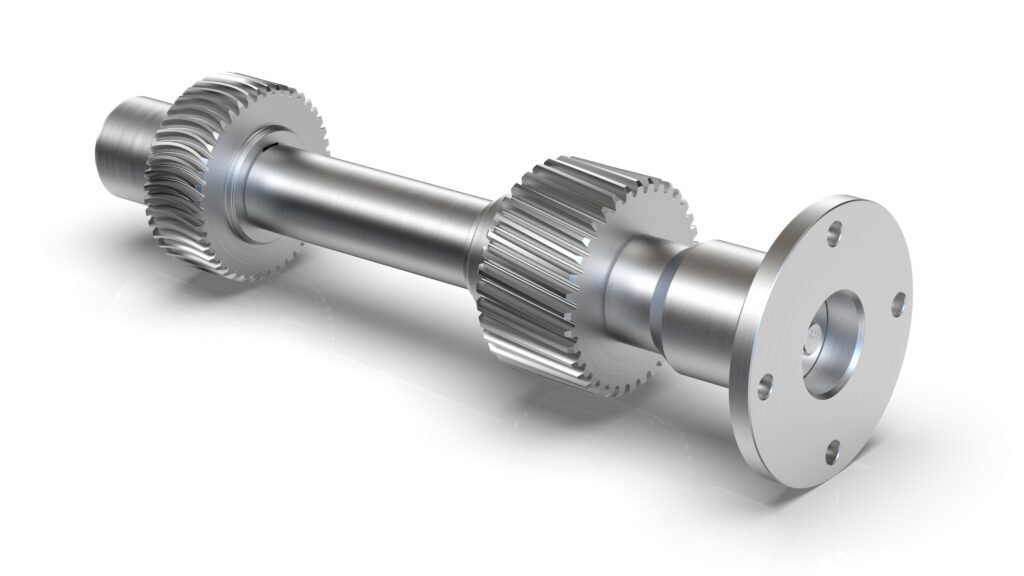
Bolts may look simple, but behind every strong bolt is a precise heat treatment process that ensures performance under pressure. The heat treatment process for bolts includes heating, soaking, and controlled cooling to improve strength, hardness, and fatigue resistance. Bolts used in automotive, aerospace, or construction cannot fail. That’s why I always focus on heat […]
How Do Rockwell, Vickers, and Brinell Methods Compare in Surface Hardness Testing?
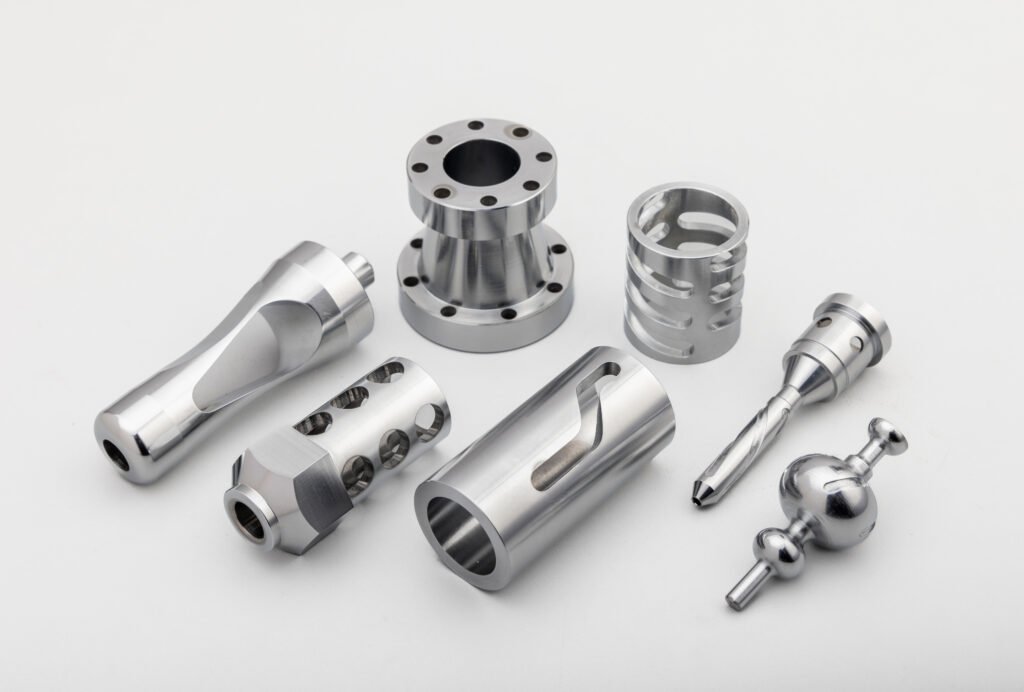
Hardness testing can be confusing—especially when each method claims to be the best. But which one is truly right for your needs? The Rockwell, Vickers, and Brinell hardness tests each have strengths, weaknesses, and ideal use cases depending on material type, structure, and accuracy needs. Choosing the right hardness testing method matters more than many […]