


What Are the Machining Techniques for Long Shaft-Type Non-Standard Fasteners?
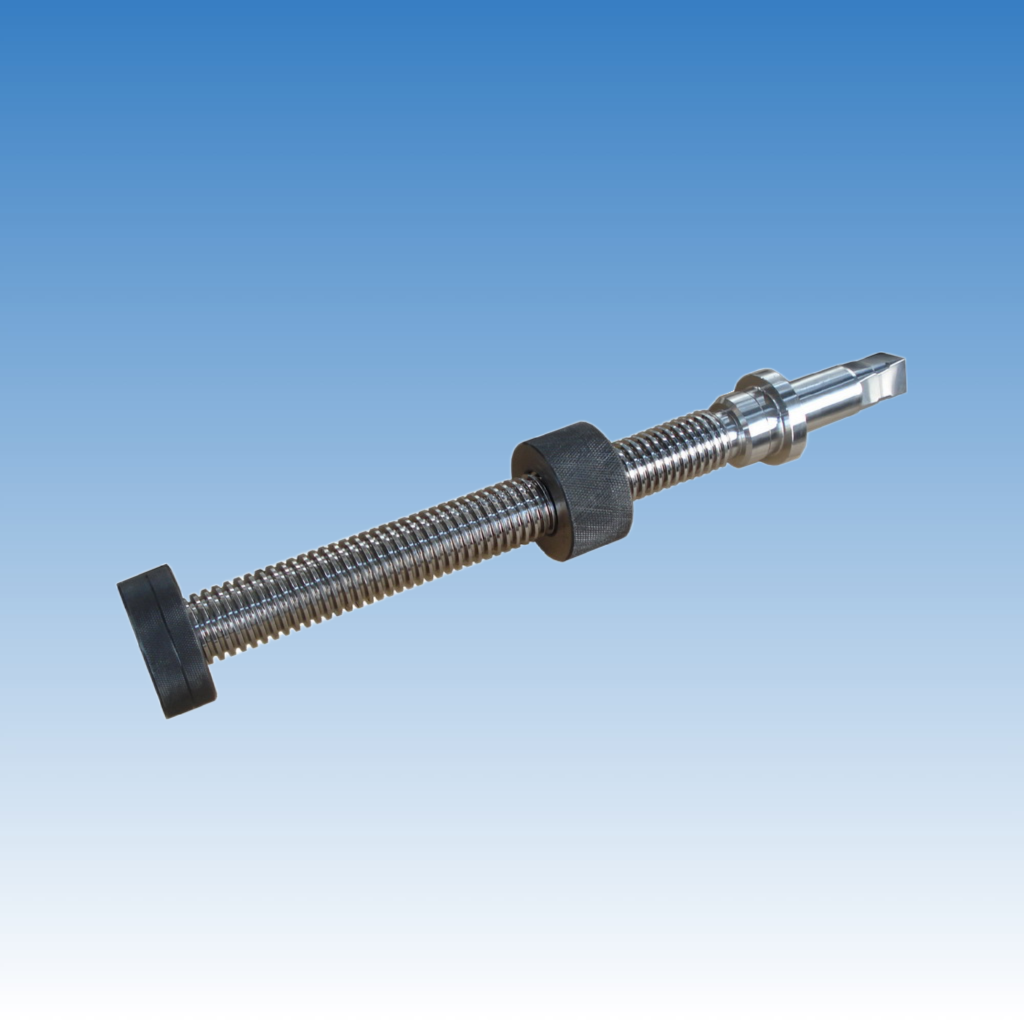
Long shaft-type fasteners seem simple, but machining them accurately is full of traps—taper, bending, vibration, and unstable surface finish are common problems. To machine long shaft-type non-standard fasteners, we must use Swiss-type lathes, steady rests, tailstocks, or custom fixtures to keep the shaft stable, reduce vibration, and control tolerance. Long fasteners like motor shafts are […]
How Does Non-Standard Parts Machining Influence the Selection of Tool Materials?
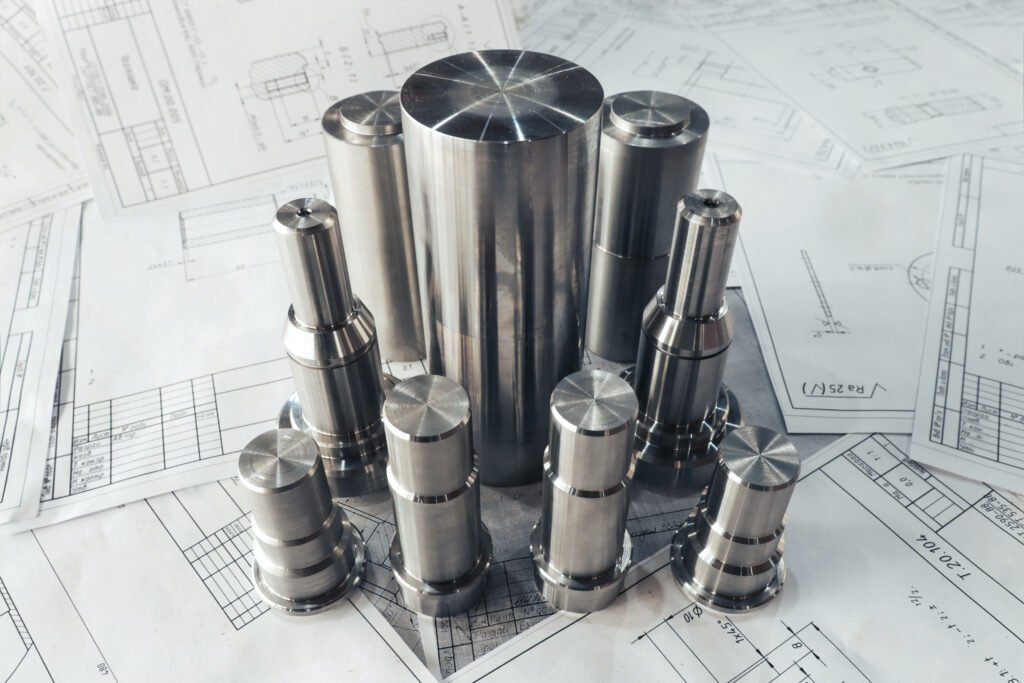
Machining non-standard parts can feel like navigating a maze—tight tolerances, complex shapes, and varied materials mean one wrong decision leads to costly waste. Non-standard parts machining demands tool materials that can handle complexity, irregular shapes, and a wide range of materials without compromising accuracy or tool life. When I first started handling inquiries for custom […]
How to achieve low tolerance control in precision machining?
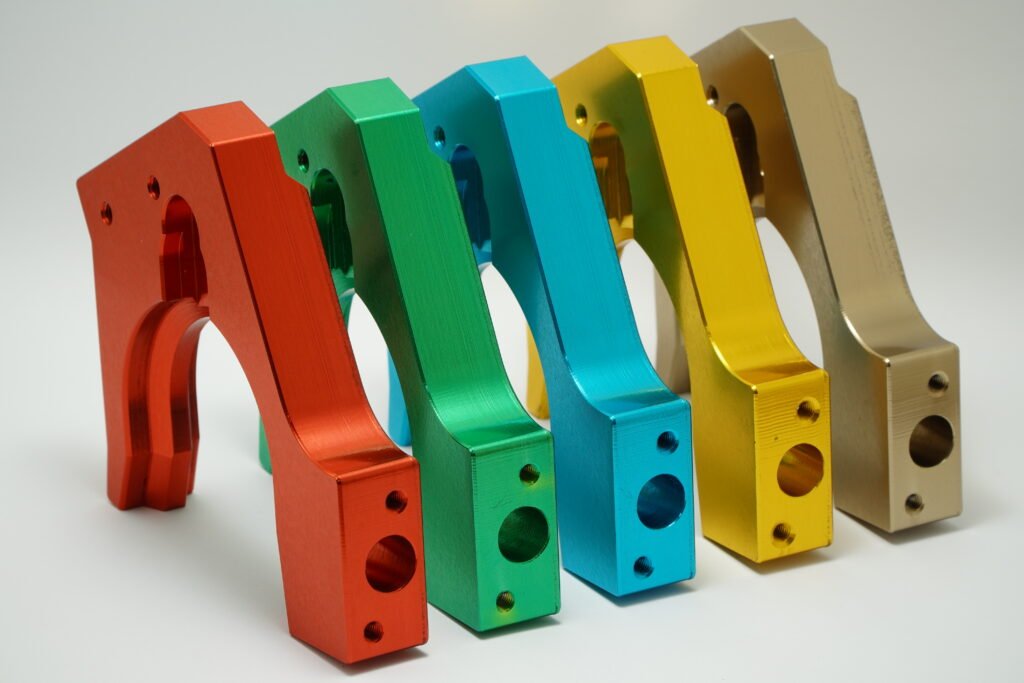
Even tiny errors in tolerance can cause huge failures—fit issues, vibration, and expensive rework all begin with poor control in the machining process. To achieve low tolerance control in precision machining, you need advanced equipment, skilled programming, strict process control, and real-time inspection methods. I’ve worked with customers who rejected entire batches for being off […]
How to ensure concentricity in non-standard parts machining?
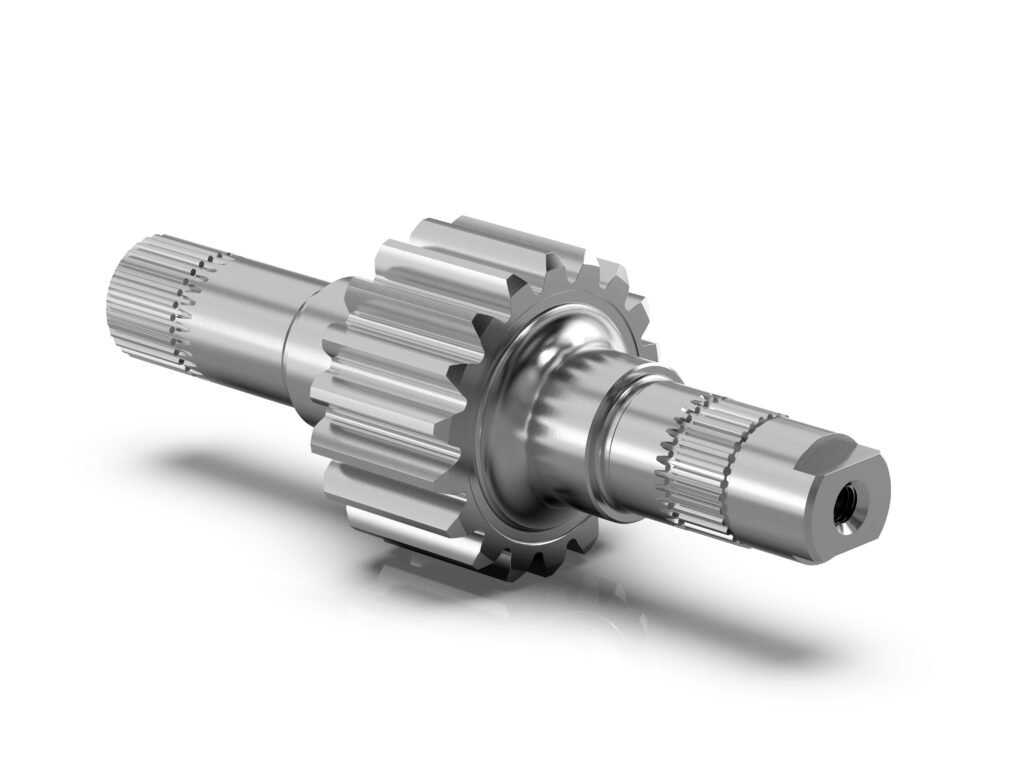
When non-standard parts wobble during assembly or fail in performance, poor concentricity is often the hidden cause. To ensure concentricity in non-standard parts machining, you need precise fixturing, proper CNC programming, and reliable measurement with CMM or dial indicators. If you’ve ever dealt with unexpected vibrations, assembly interference, or bearing failures, chances are concentricity was […]
What are the 4 main types of threads used on fasteners?
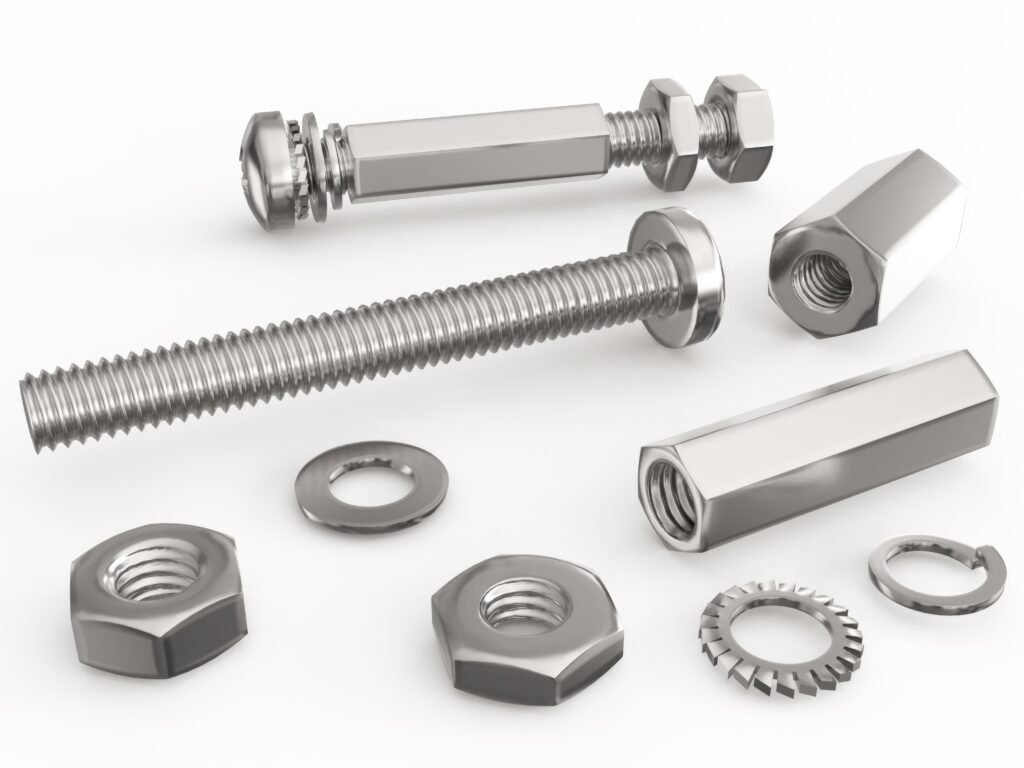
Most problems with fastener fit come from misunderstanding threads—using the wrong type causes delays, returns, or worse, machine failures. The four main types of threads used on fasteners are UNC, UNF, metric, and BSP. Each has different standards, measurements, and use cases. Misunderstanding thread types can cause parts to fail, deliveries to be delayed, and […]
What Are the Thread Adhesive Coating Processes for Non-Standard Fasteners?
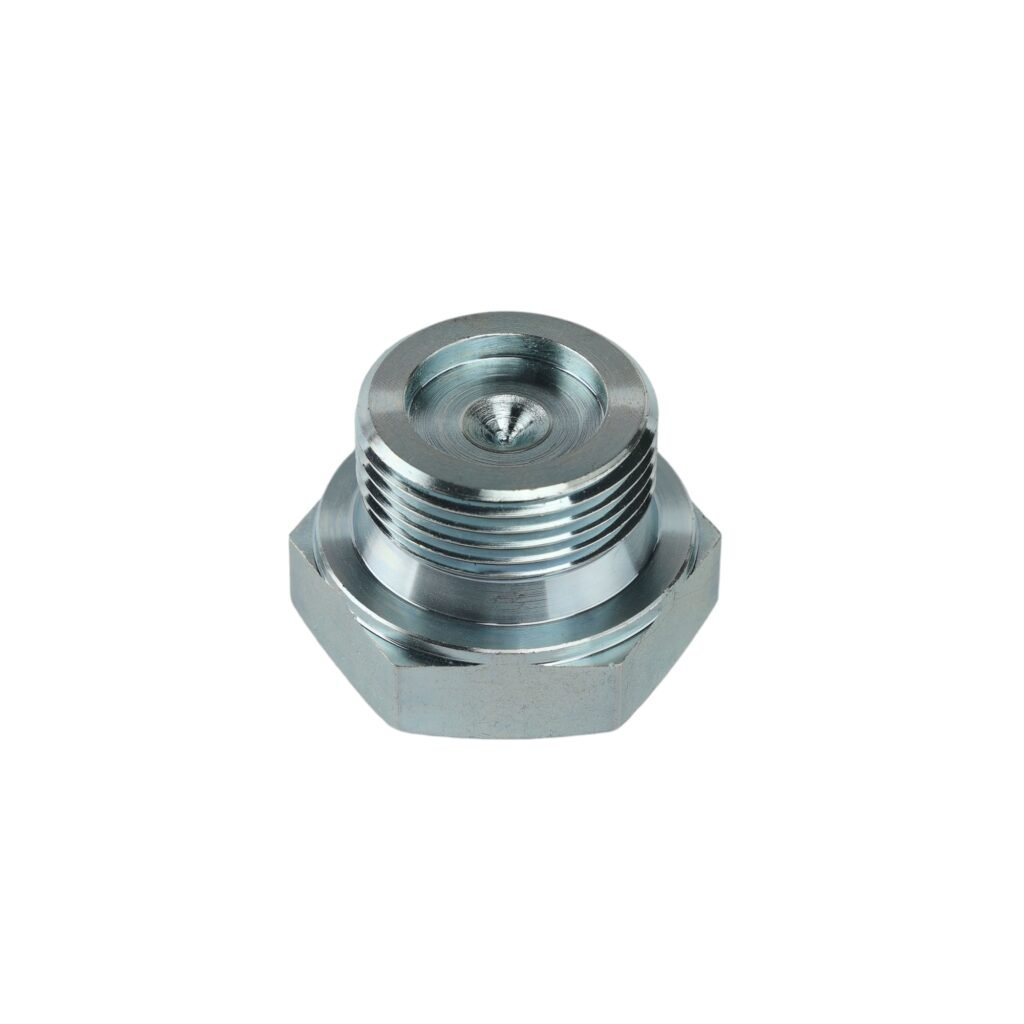
Thread failure causes costly breakdowns—especially in non-standard fasteners. But one overlooked solution can change that: adhesive coatings. Thread adhesive coating is a process that adds bonding material to threads to prevent loosening under vibration or thermal expansion. It enhances reliability, especially in non-standard or critical-use fasteners. When you deal with custom or low-volume fasteners, thread […]
What Are the Common Surface Treatment Methods for Fasteners?
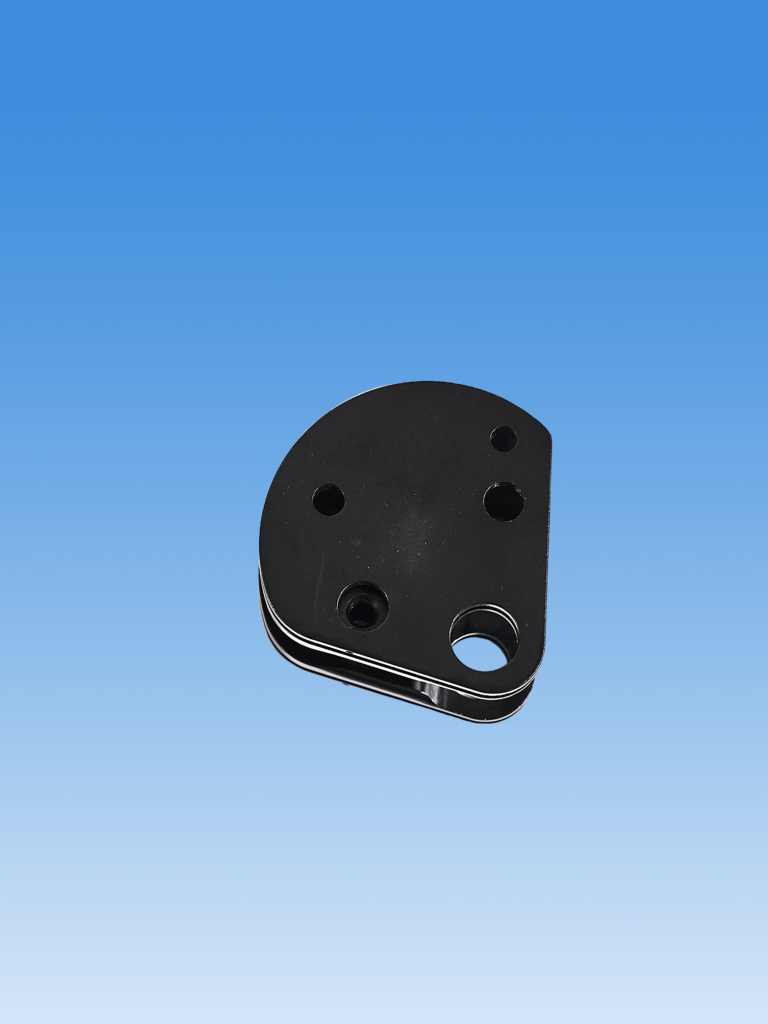
Fasteners face corrosion, wear, and environmental damage—but surface treatments can extend their life and reliability. Common surface treatments for fasteners include zinc plating, hot-dip galvanizing, black oxide, phosphating, and mechanical plating, each offering varying levels of corrosion resistance, cost, and application suitability. Surface treatments are essential for fasteners used in harsh environments. They enhance durability, […]
What Are the Application Differences Between Stainless Steel 304 and 316 in Fasteners?
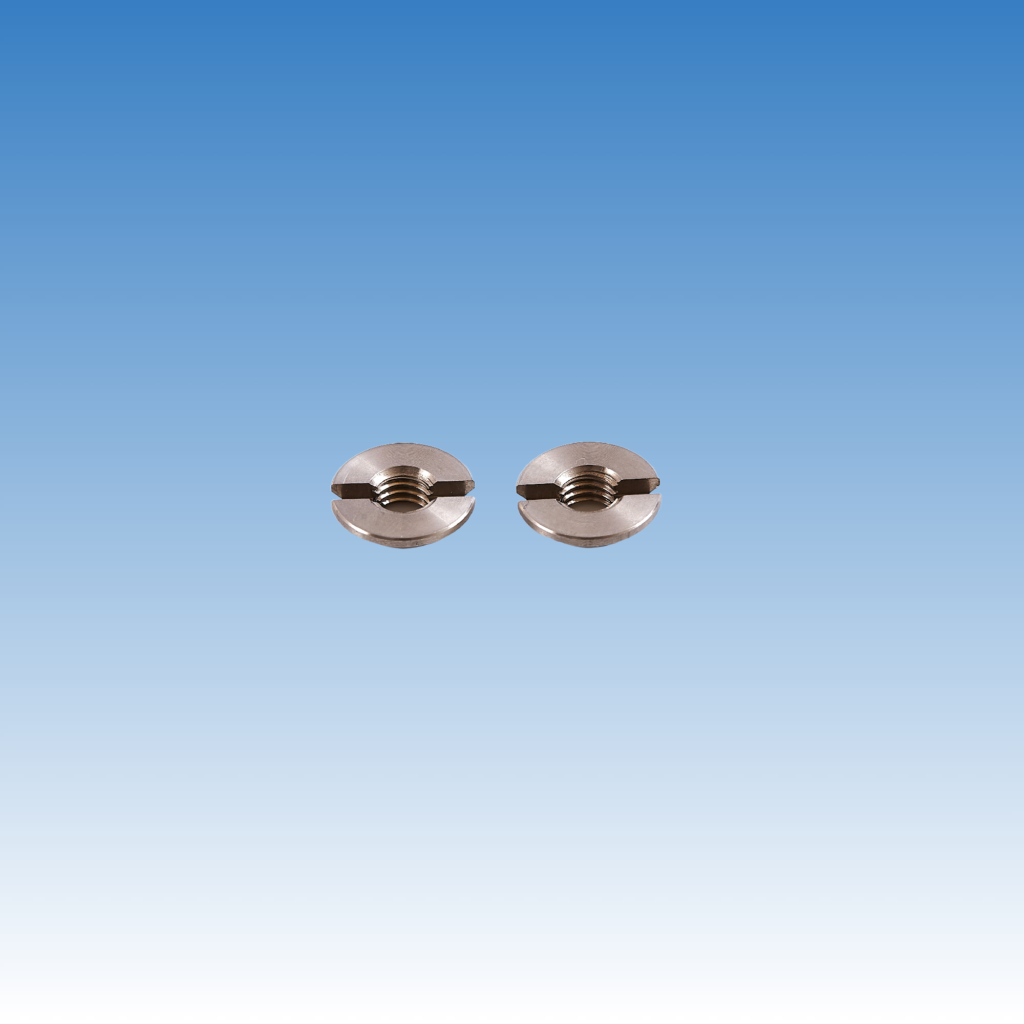
When choosing stainless steel fasteners, picking the wrong grade can mean wasted money or product failure. Stainless steel 304 is used more widely for general applications, while 316 is chosen for its superior corrosion resistance in harsher environments, especially near saltwater or chemicals. Both 304 and 316 are austenitic stainless steels. But they don’t perform […]
How Do Swiss-Type Machines Enhance the Efficiency of Small Fastener Manufacturing?
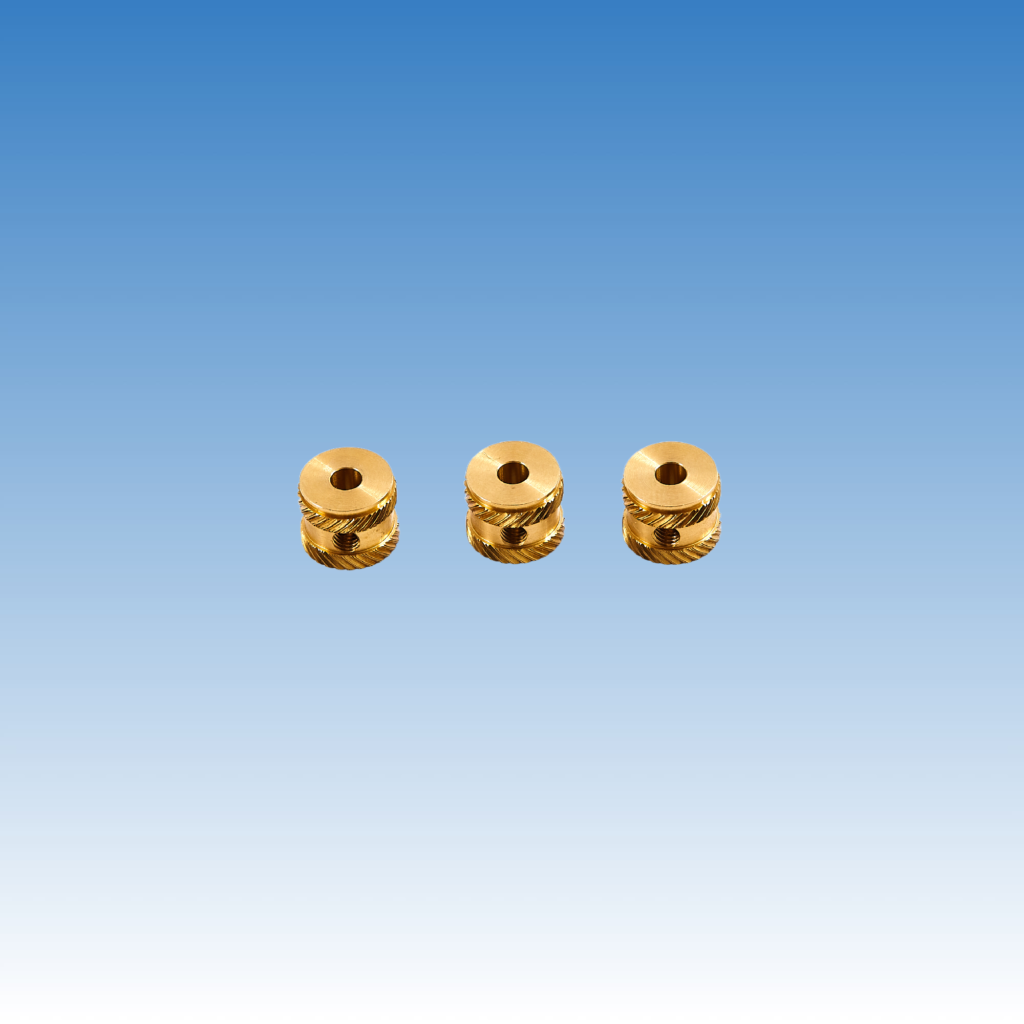
Small fastener production is tricky: high precision, small size, large volumes. Without the right machines, quality and speed suffer. How do we fix this? Swiss-type machines boost efficiency in small fastener manufacturing by offering high precision, quick cycle times, and the ability to run multiple operations in a single setup. When I first started sourcing […]
What Are the Advantages of Using Machining Centers in the Manufacturing of Non-Standard Fasteners?
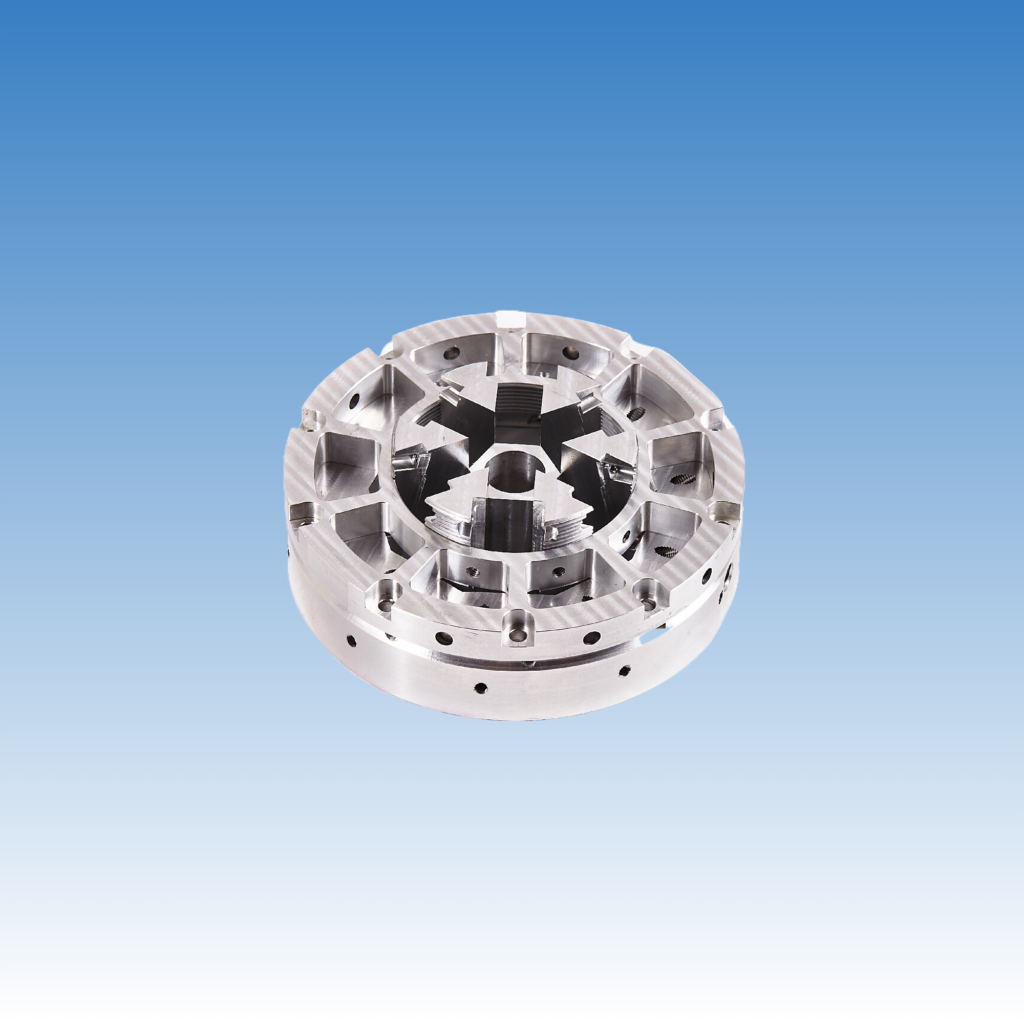
Manufacturers often face delays and high costs when producing non-standard fasteners. Using machining centers can solve these problems quickly and efficiently. Machining centers improve the manufacturing of non-standard fasteners by offering high precision, flexible production, faster lead times, and lower error rates compared to traditional methods. Manufacturing non-standard fasteners demands accuracy and flexibility. Machining centers […]
How Is the Defect Classification Standard for Cold Formed Parts Defined in ISO 6157?
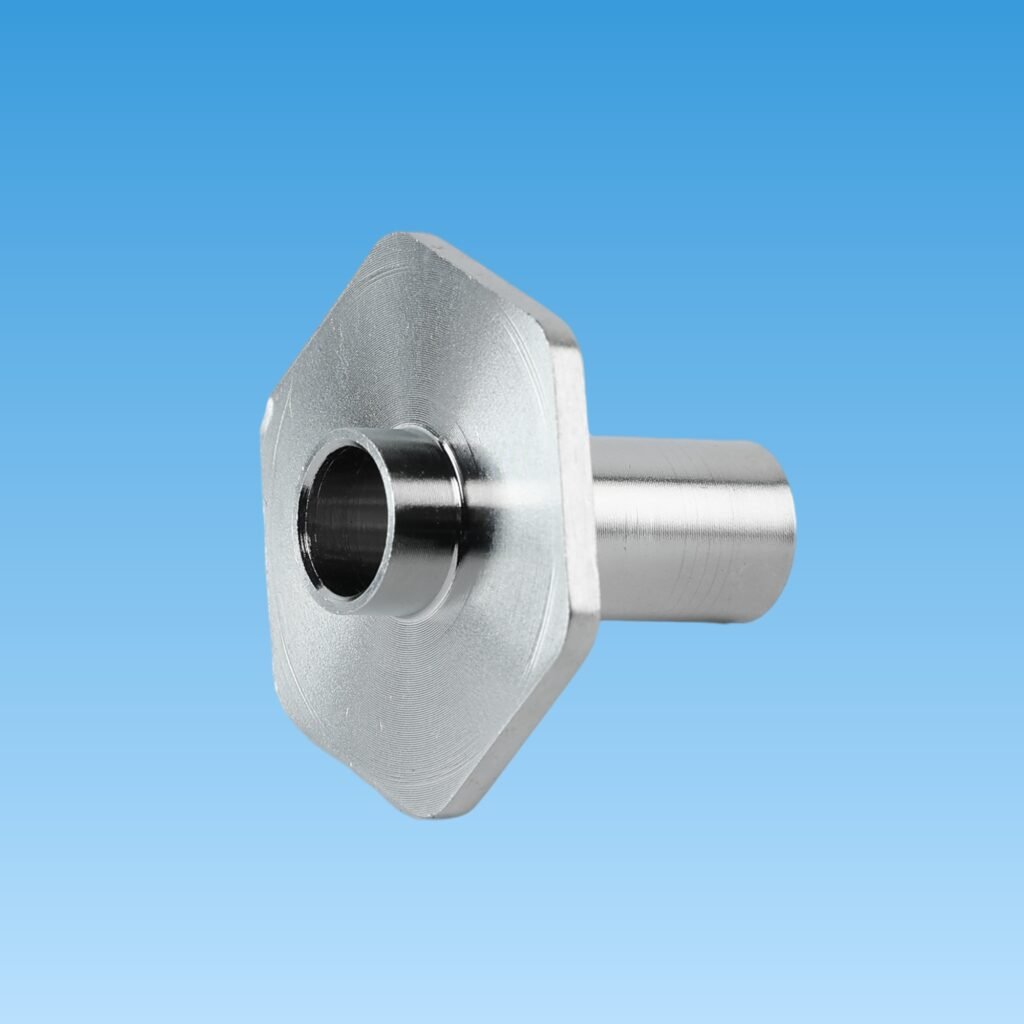
When manufacturing cold formed parts, small defects can lead to major failures. That is why understanding defect standards like ISO 6157 is critical for both buyers and suppliers. ISO 6157 defines defects in cold formed parts as deviations from intended form, fit, or function, ensuring clear quality standards for automotive, electronics, and aerospace industries. Clear […]
How Does ISO 965 Define the Structure and Tolerance Control of Precision Threads?
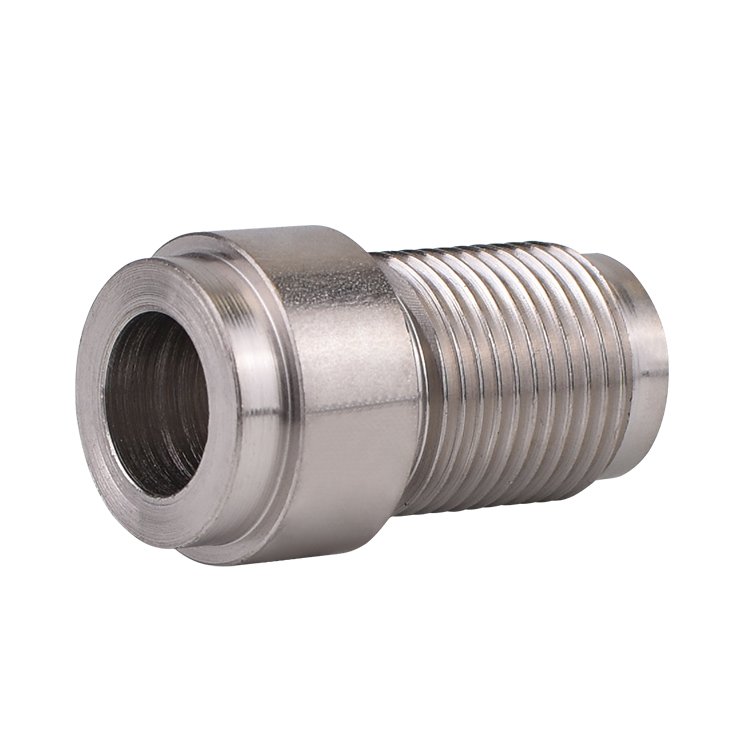
Precision threads are everywhere. But how do we ensure that they always fit perfectly? ISO 965 gives us the answer by standardizing thread structure and tolerance control. ISO 965 defines the structure, dimensions, and tolerance of precision threads by setting clear rules for the profile, pitch, and fit between mating threads, ensuring reliable and consistent […]