


How Do Swiss-Type Machines Enhance the Efficiency of Small Fastener Manufacturing?
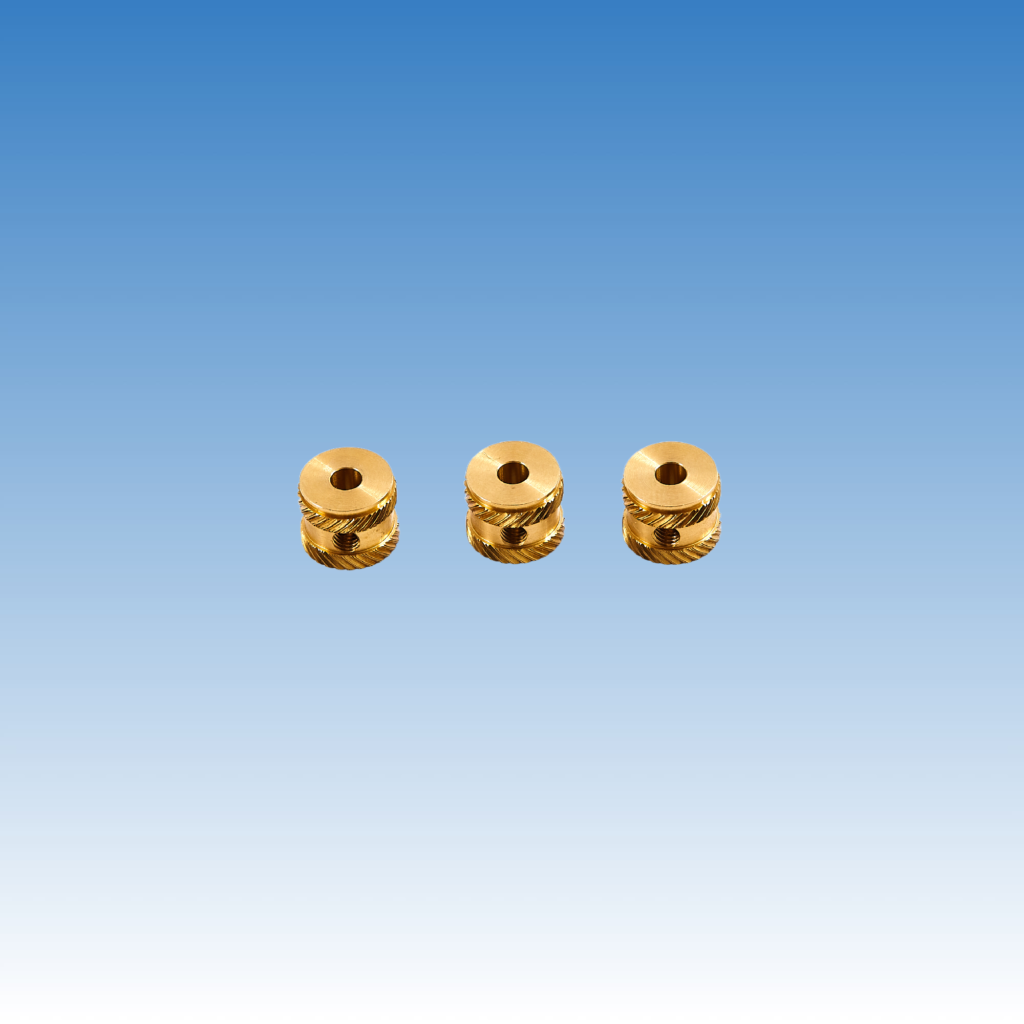
Small fastener production is tricky: high precision, small size, large volumes. Without the right machines, quality and speed suffer. How do we fix this? Swiss-type machines boost efficiency in small fastener manufacturing by offering high precision, quick cycle times, and the ability to run multiple operations in a single setup. When I first started sourcing […]
What Are the Advantages of Using Machining Centers in the Manufacturing of Non-Standard Fasteners?
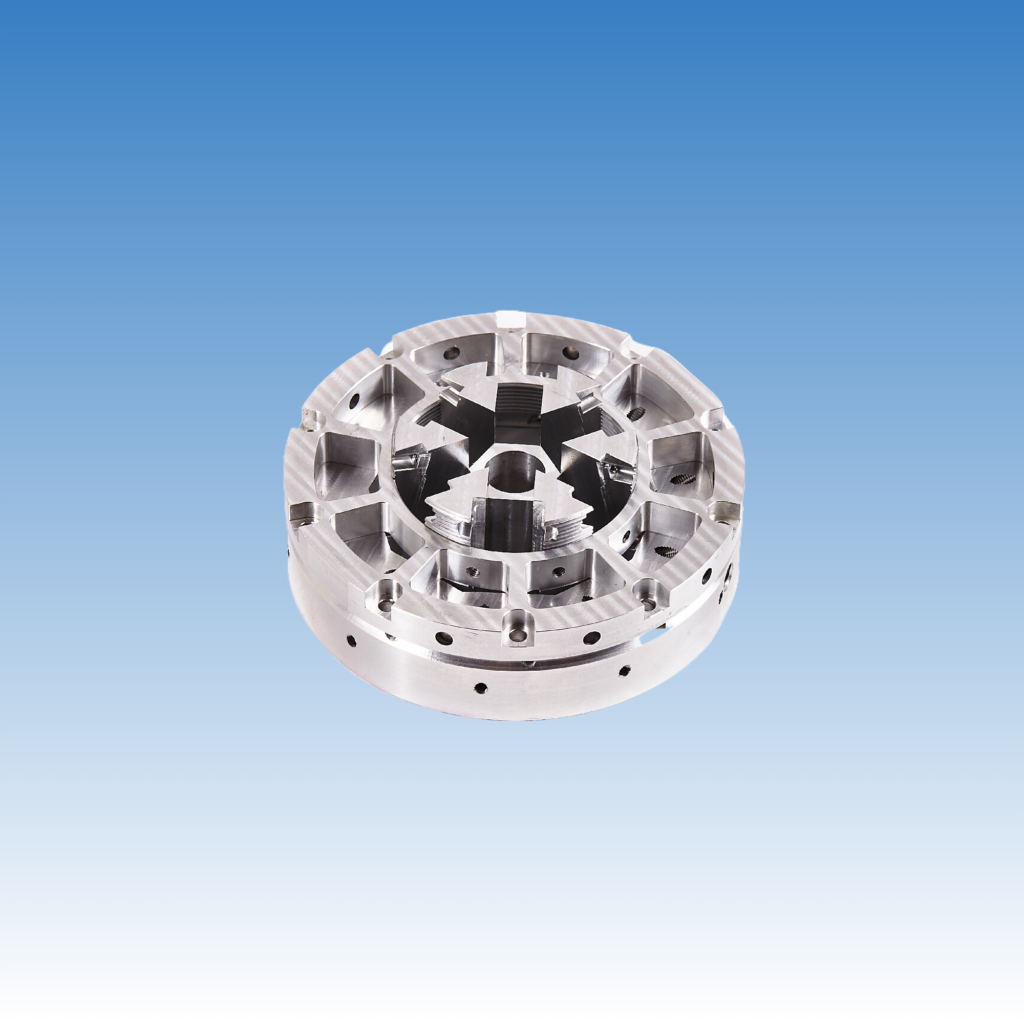
Manufacturers often face delays and high costs when producing non-standard fasteners. Using machining centers can solve these problems quickly and efficiently. Machining centers improve the manufacturing of non-standard fasteners by offering high precision, flexible production, faster lead times, and lower error rates compared to traditional methods. Manufacturing non-standard fasteners demands accuracy and flexibility. Machining centers […]
How Is the Defect Classification Standard for Cold Formed Parts Defined in ISO 6157?
When manufacturing cold formed parts, small defects can lead to major failures. That is why understanding defect standards like ISO 6157 is critical for both buyers and suppliers. ISO 6157 defines defects in cold formed parts as deviations from intended form, fit, or function, ensuring clear quality standards for automotive, electronics, and aerospace industries. Clear […]
How Does ISO 965 Define the Structure and Tolerance Control of Precision Threads?
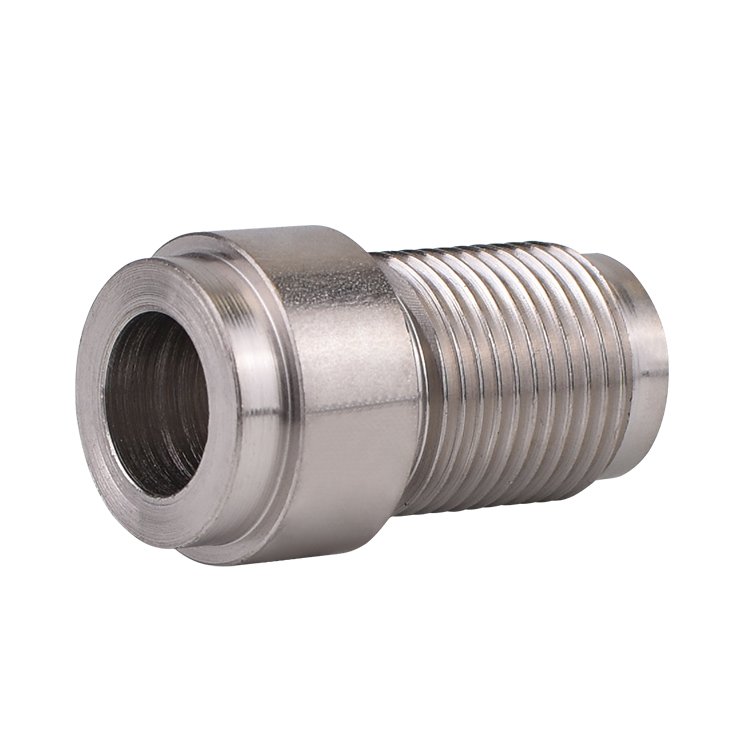
Precision threads are everywhere. But how do we ensure that they always fit perfectly? ISO 965 gives us the answer by standardizing thread structure and tolerance control. ISO 965 defines the structure, dimensions, and tolerance of precision threads by setting clear rules for the profile, pitch, and fit between mating threads, ensuring reliable and consistent […]
What Is the Role of ISO 17025 Laboratory Accreditation in Fastener Testing?
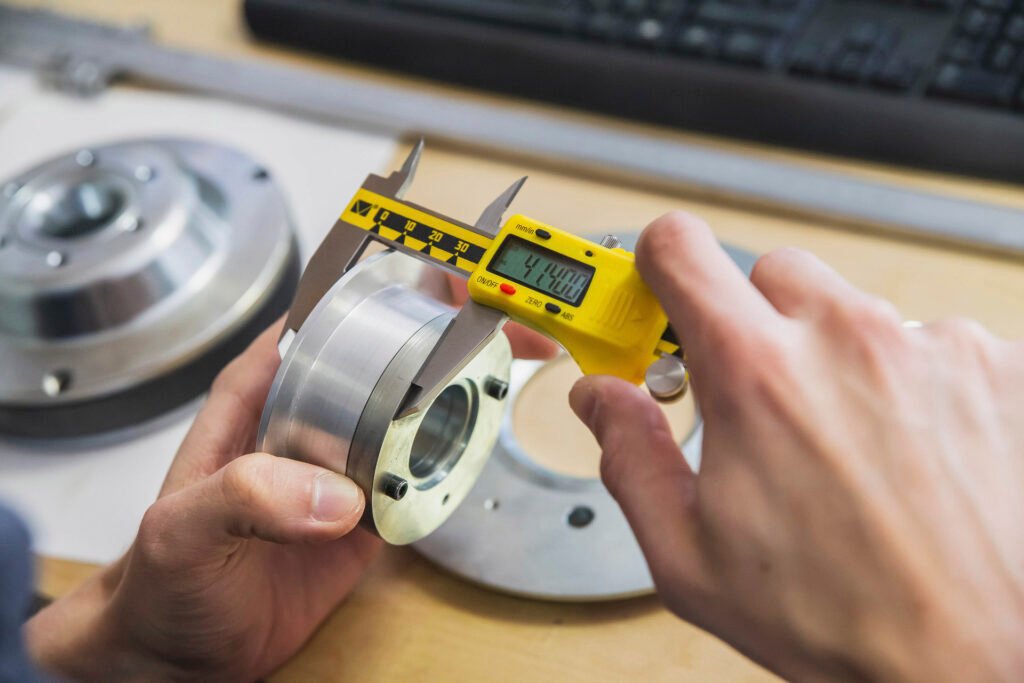
Fastener testing plays a critical role in ensuring product safety, but not every lab can deliver results you can trust — that’s where ISO 17025 accreditation steps in. ISO 17025 accreditation ensures fastener testing labs meet strict quality and technical standards, offering trusted, consistent, and internationally recognized test results. Choosing a fastener testing lab without […]
How Is the ISO 2320 Standard for Prevailing Torque Testing Applied in Fastener Performance?
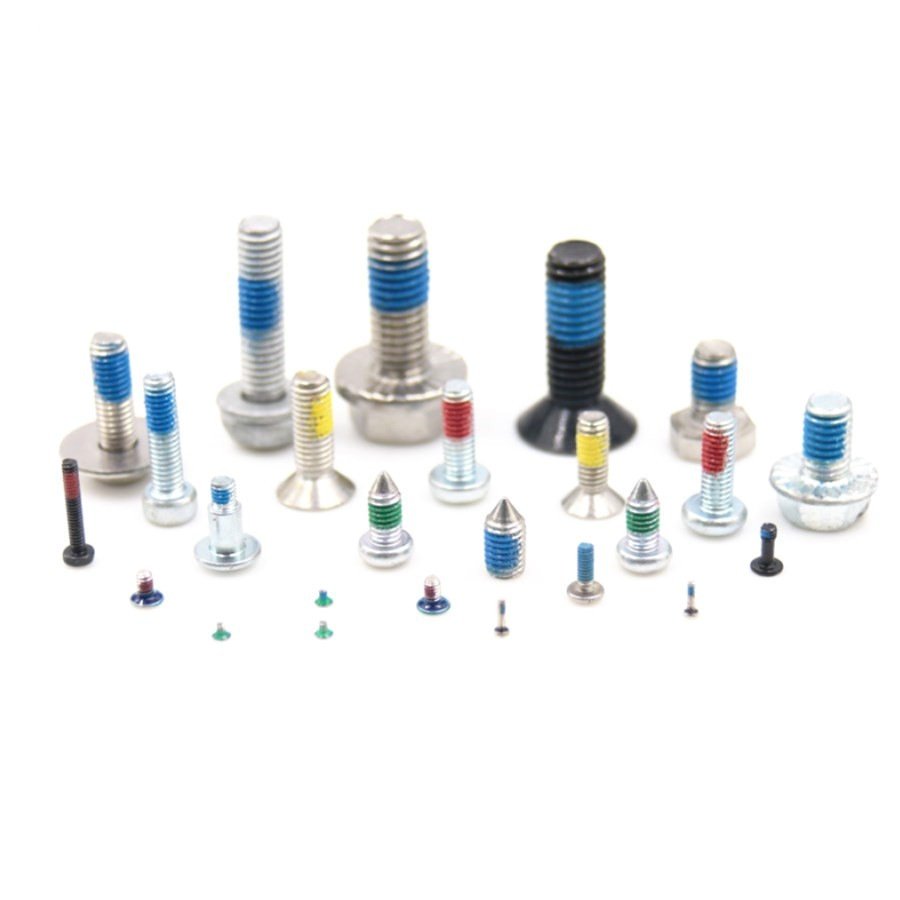
When it comes to fasteners, performance is everything. If the torque is not right, the product could fail, leading to costly problems for everyone involved. ISO 2320 sets clear rules for how to test prevailing torque in fasteners, making it easier to ensure consistent performance, reliability, and safety. Many people think fasteners are simple, but […]
What Stainless Steel Grades Are Defined in the ISO 3506 Fastener Standard?
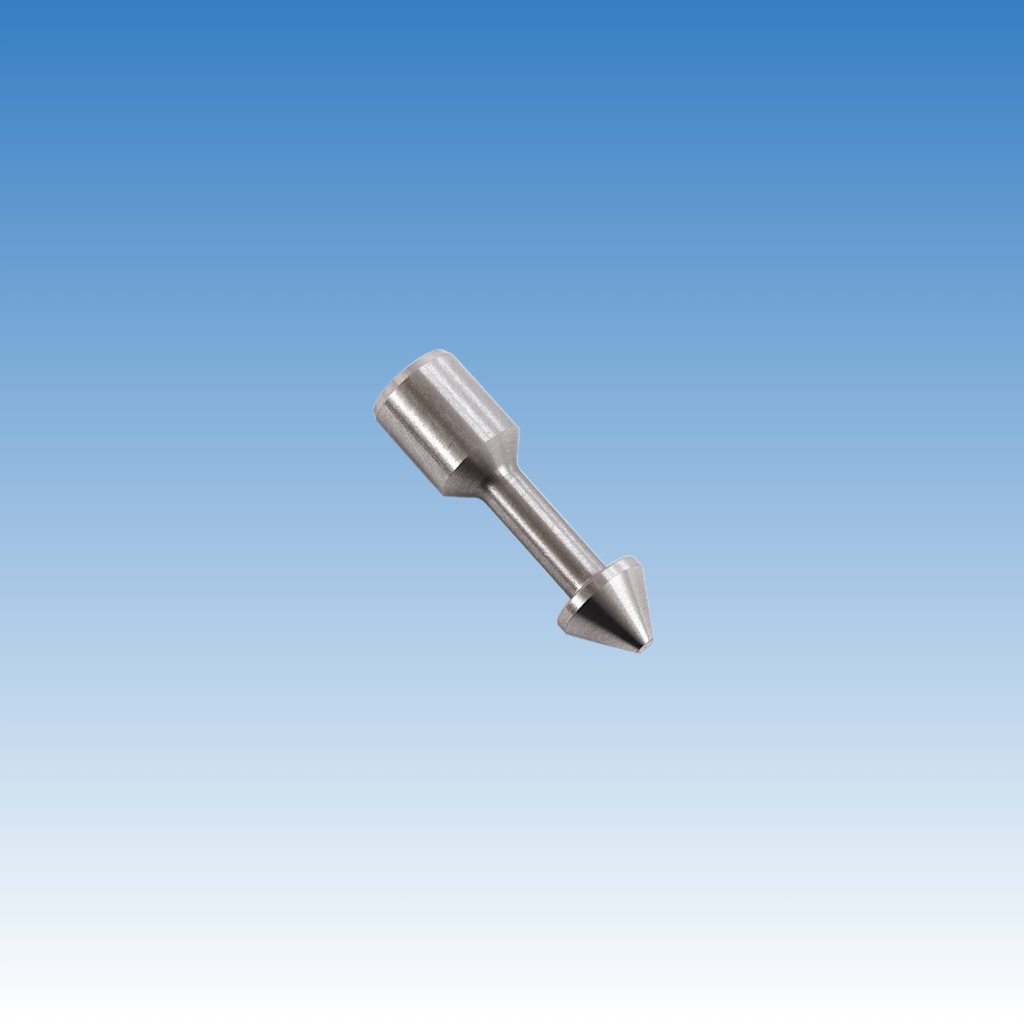
Choosing the wrong stainless steel fastener could lead to early corrosion, structural failure, or customer complaints. The ISO 3506 standard helps avoid all that—if you know how to use it. The ISO 3506 standard defines stainless steel grades for fasteners based on their material composition, corrosion resistance, and mechanical properties. Grades include A1, A2, A3, […]
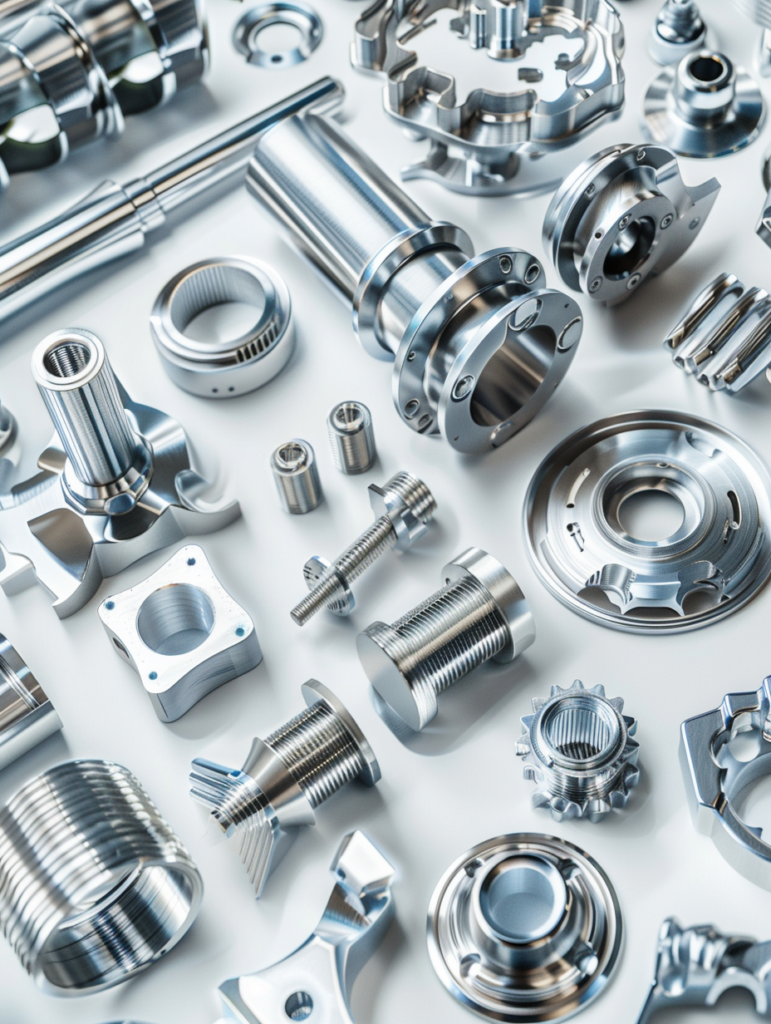
Many importers don’t realize their fasteners could fail EU customs checks—just because they contain restricted substances. Here’s what to watch out for before you ship. Fastener materials must comply with the RoHS directive by not exceeding limits for substances like lead, mercury, and cadmium. Even tiny amounts can lead to non-compliance and rejected shipments. RoHS […]
What Are the Acceptance Criteria of Fastener Inspection According to ISO 3269?
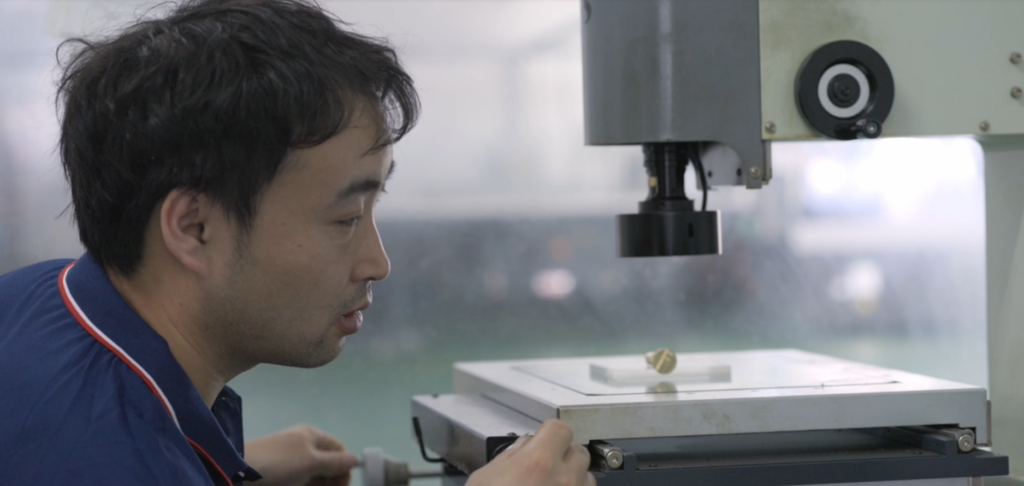
Many buyers trust “ISO certified” fasteners, but they often don’t understand what this standard actually accepts—or rejects. ISO 3269 defines general acceptance criteria for mechanical fasteners, focusing on visual defects, dimensional accuracy, material quality, and packaging. It ensures consistent inspection standards across global suppliers. For a long time, I worked with buyers who were frustrated. […]
How does ISO 4042 control hydrogen embrittlement in electroplated fasteners?
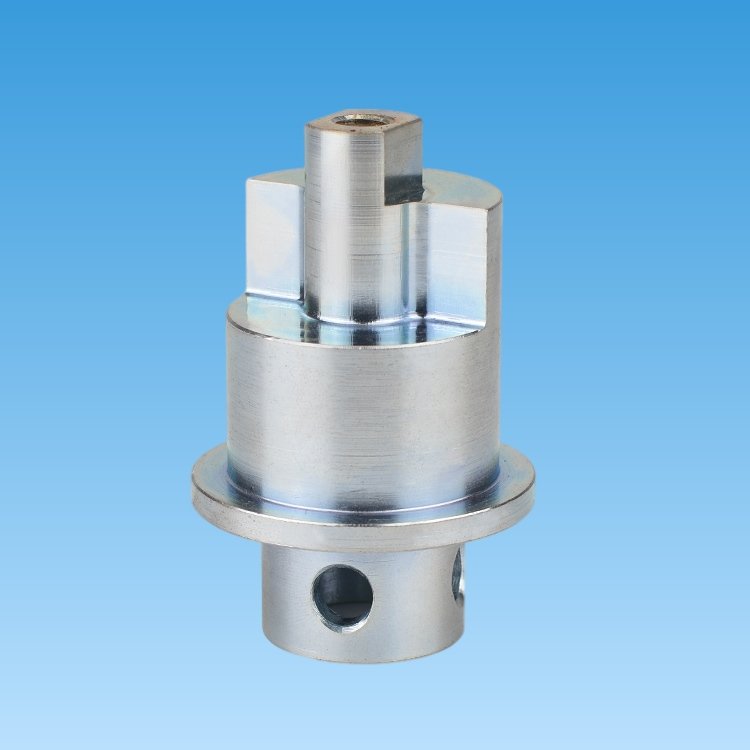
Hydrogen embrittlement is a hidden killer in fasteners. It quietly causes cracking, then sudden failure—especially in high-strength parts. But ISO 4042 helps control this risk. ISO 4042 helps control hydrogen embrittlement in electroplated fasteners by setting limits on pre-treatment, plating thickness, baking procedures, and materials to reduce hydrogen absorption and release trapped hydrogen. Electroplating improves […]
What are the common problems in precision tapping?
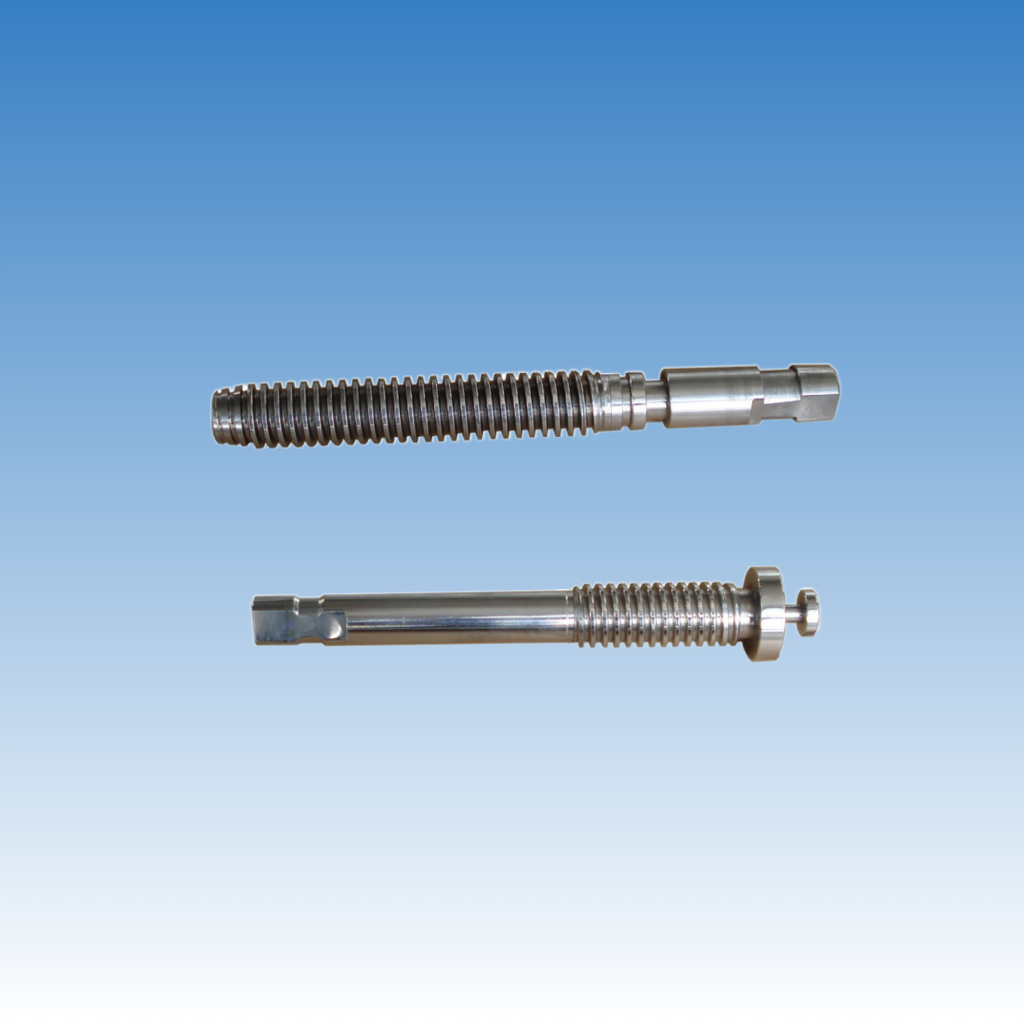
Tapping seems simple. But in high-precision machining, one small mistake can scrap a whole batch. Are you really avoiding the hidden traps in tapping? The most common problems in precision tapping are oversized threads, broken taps, misalignment, stuck threads, and surface burrs. These issues often come from poor setup, tool wear, or wrong tapping conditions. […]
Understanding ISO 898 Classification of High-Strength Fasteners
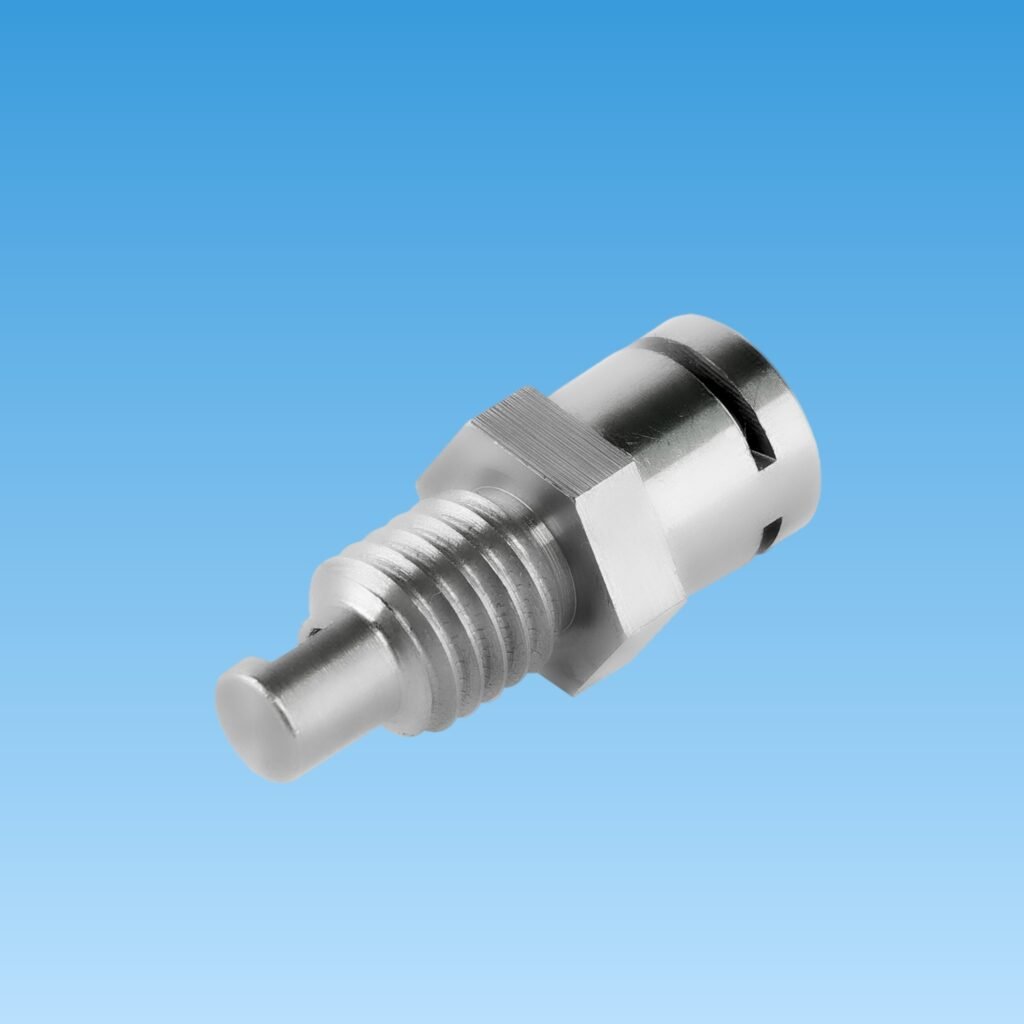
High-strength fasteners play a vital role in modern industries such as mechanical engineering, automotive, construction, wind energy, and heavy machinery. These components must meet strict performance criteria to ensure structural safety and long-term reliability. To achieve consistency and international compatibility, the ISO 898 standard was developed to define the mechanical properties and strength classifications of […]