


How Does ISO 965 Define the Structure and Tolerance Control of Precision Threads?
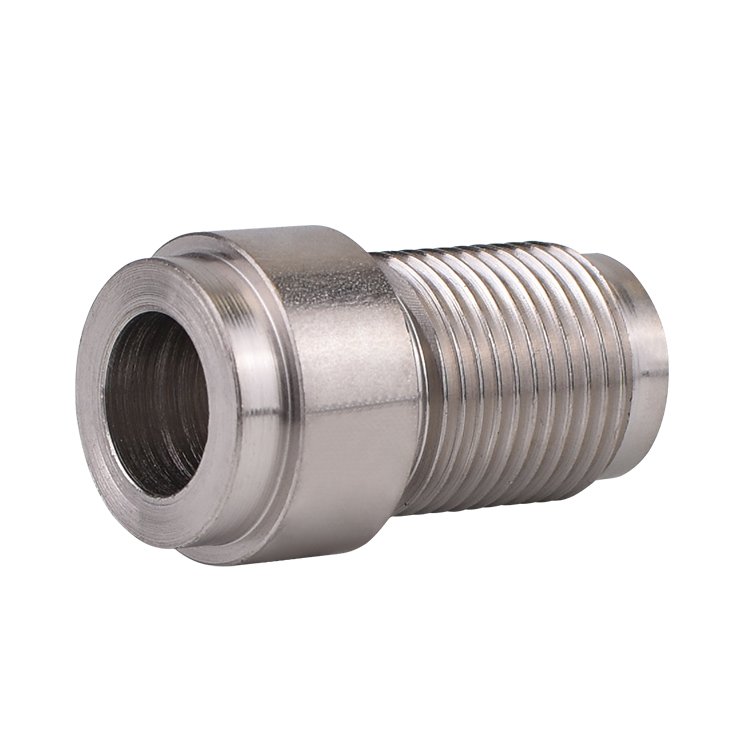
Precision threads are everywhere. But how do we ensure that they always fit perfectly? ISO 965 gives us the answer by standardizing thread structure and tolerance control. ISO 965 defines the structure, dimensions, and tolerance of precision threads by setting clear rules for the profile, pitch, and fit between mating threads, ensuring reliable and consistent […]
What Is the Role of ISO 17025 Laboratory Accreditation in Fastener Testing?
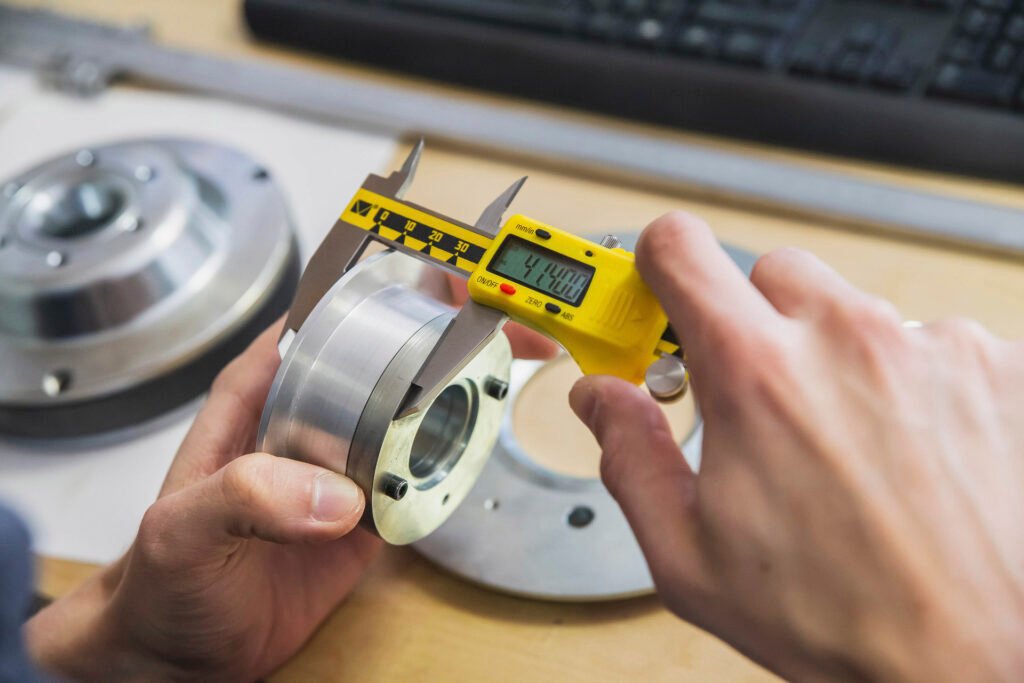
Fastener testing plays a critical role in ensuring product safety, but not every lab can deliver results you can trust — that’s where ISO 17025 accreditation steps in. ISO 17025 accreditation ensures fastener testing labs meet strict quality and technical standards, offering trusted, consistent, and internationally recognized test results. Choosing a fastener testing lab without […]
How Is the ISO 2320 Standard for Prevailing Torque Testing Applied in Fastener Performance?
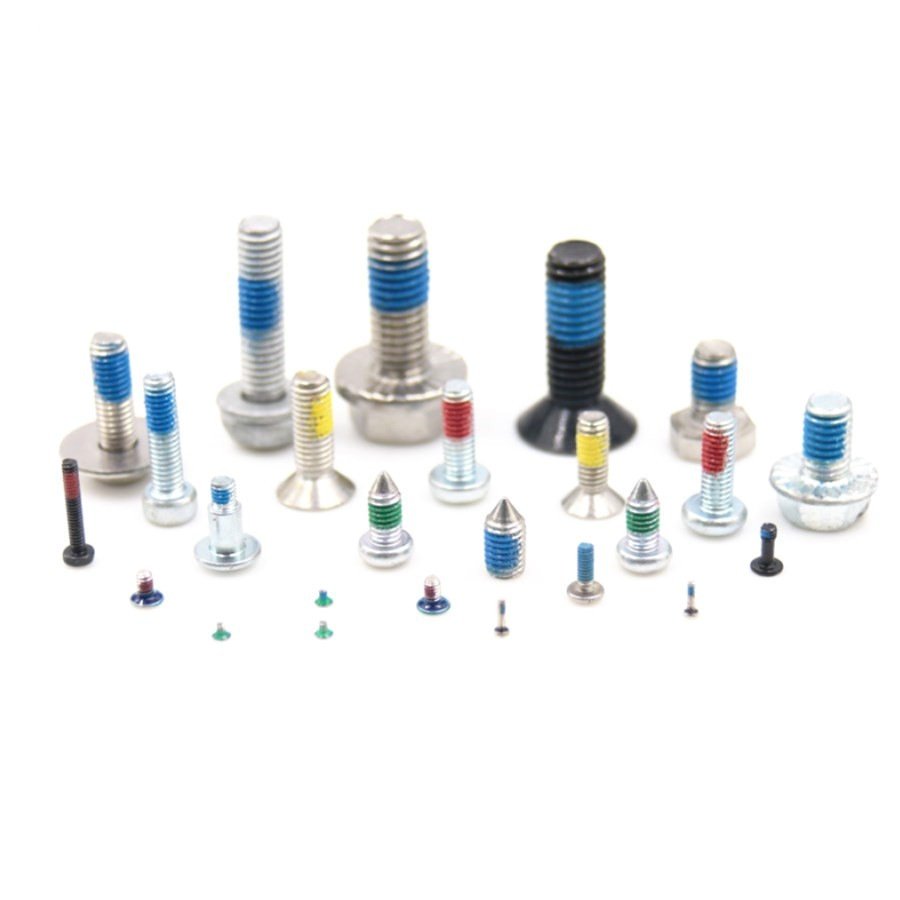
When it comes to fasteners, performance is everything. If the torque is not right, the product could fail, leading to costly problems for everyone involved. ISO 2320 sets clear rules for how to test prevailing torque in fasteners, making it easier to ensure consistent performance, reliability, and safety. Many people think fasteners are simple, but […]
What Stainless Steel Grades Are Defined in the ISO 3506 Fastener Standard?
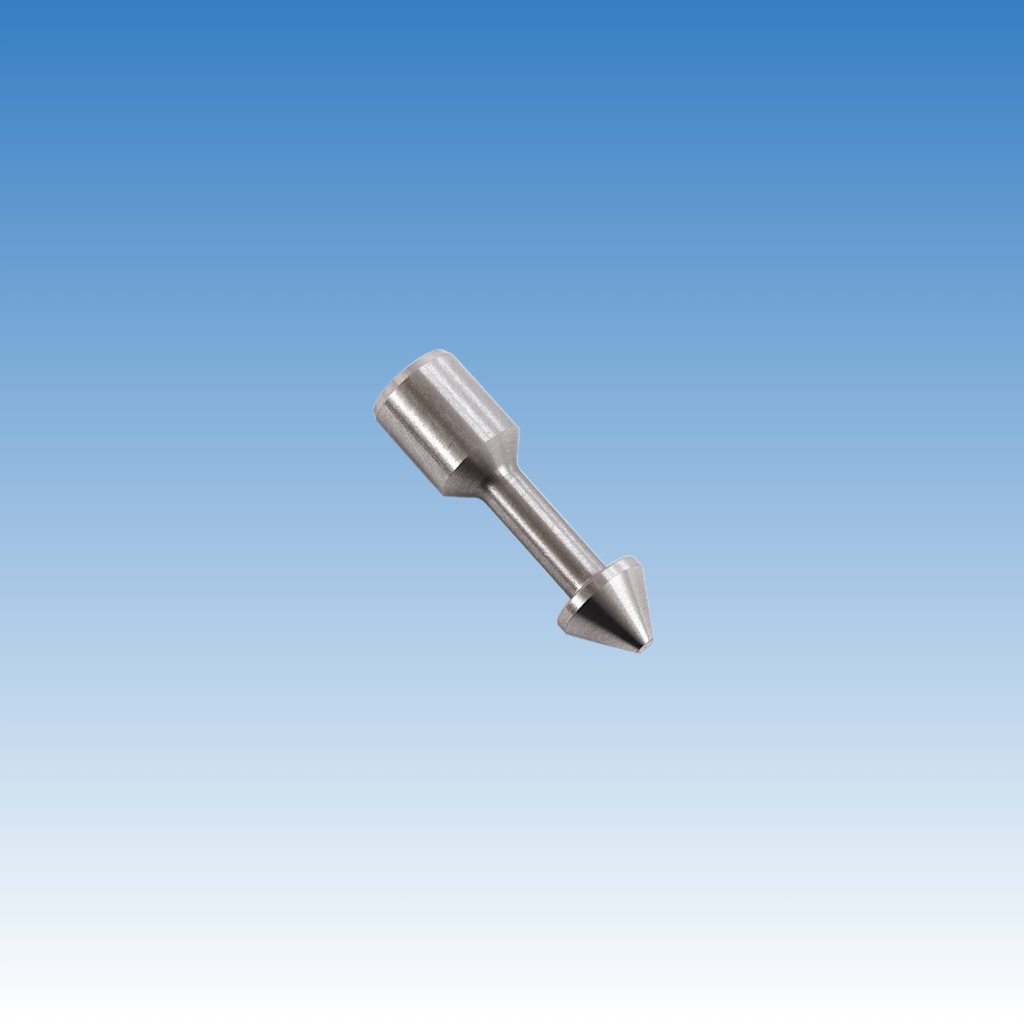
Choosing the wrong stainless steel fastener could lead to early corrosion, structural failure, or customer complaints. The ISO 3506 standard helps avoid all that—if you know how to use it. The ISO 3506 standard defines stainless steel grades for fasteners based on their material composition, corrosion resistance, and mechanical properties. Grades include A1, A2, A3, […]
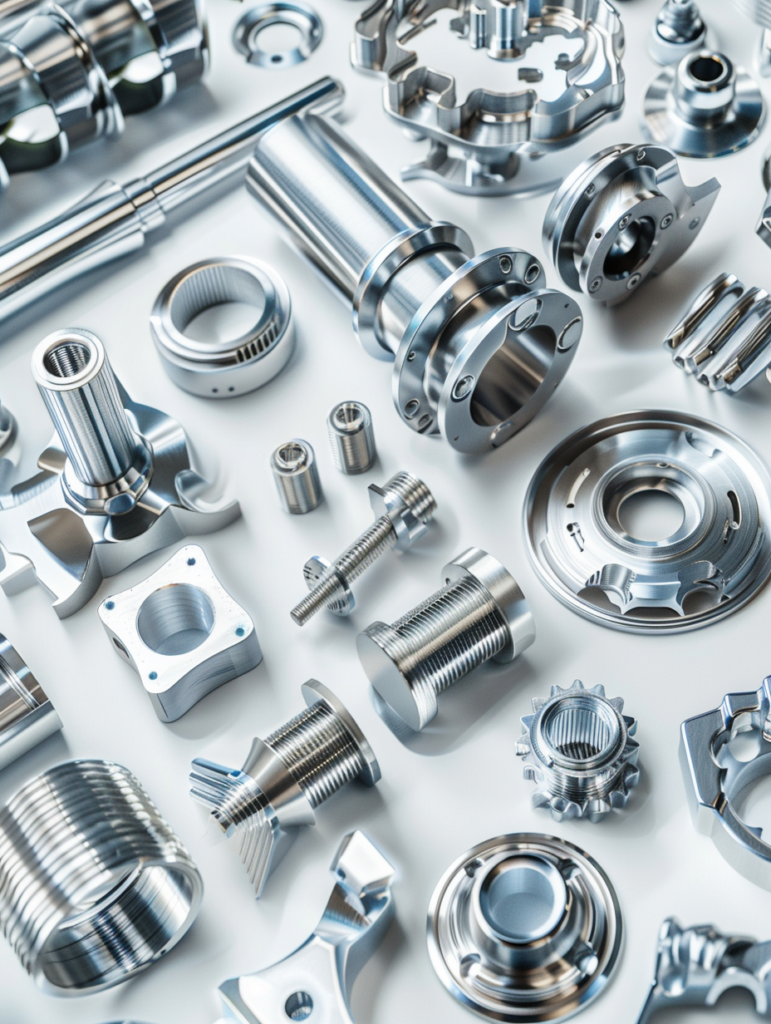
Many importers don’t realize their fasteners could fail EU customs checks—just because they contain restricted substances. Here’s what to watch out for before you ship. Fastener materials must comply with the RoHS directive by not exceeding limits for substances like lead, mercury, and cadmium. Even tiny amounts can lead to non-compliance and rejected shipments. RoHS […]
What Are the Acceptance Criteria of Fastener Inspection According to ISO 3269?
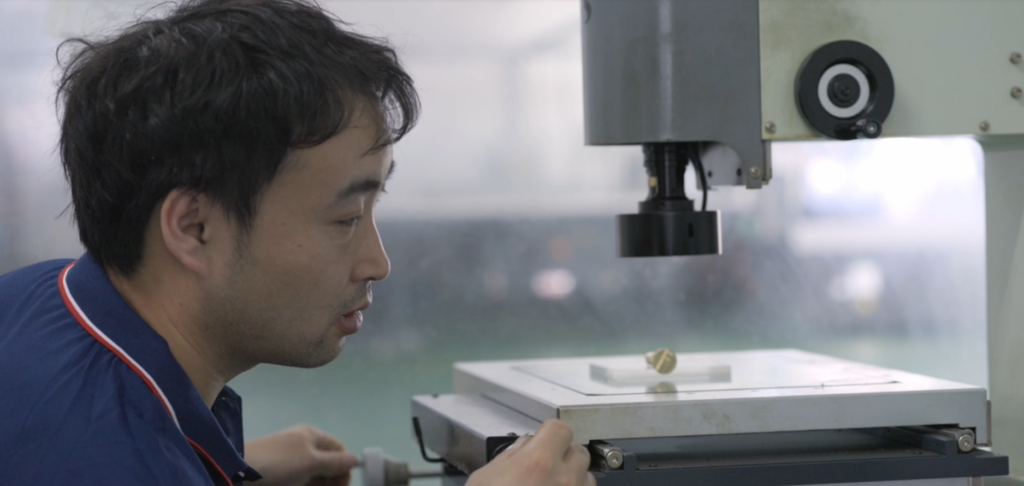
Many buyers trust “ISO certified” fasteners, but they often don’t understand what this standard actually accepts—or rejects. ISO 3269 defines general acceptance criteria for mechanical fasteners, focusing on visual defects, dimensional accuracy, material quality, and packaging. It ensures consistent inspection standards across global suppliers. For a long time, I worked with buyers who were frustrated. […]
How does ISO 4042 control hydrogen embrittlement in electroplated fasteners?
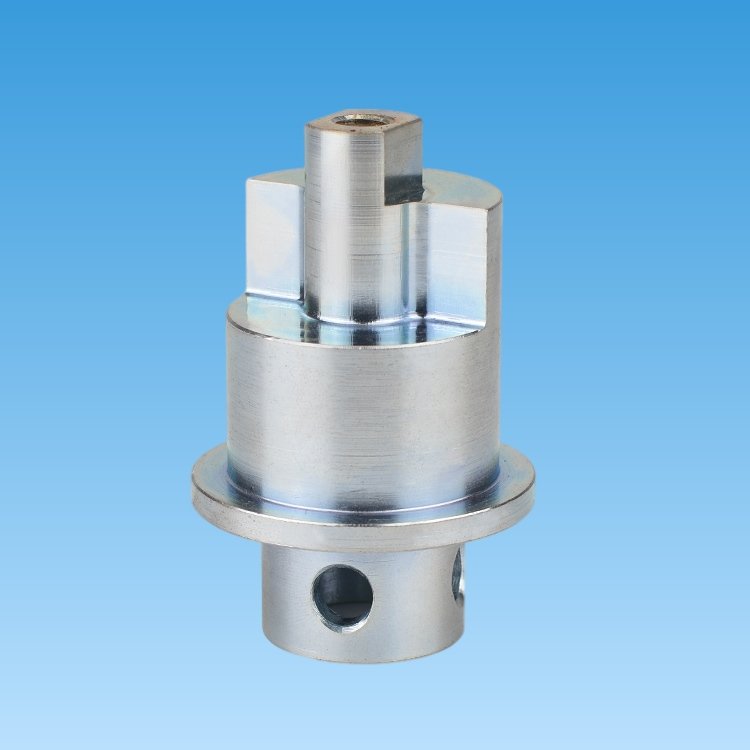
Hydrogen embrittlement is a hidden killer in fasteners. It quietly causes cracking, then sudden failure—especially in high-strength parts. But ISO 4042 helps control this risk. ISO 4042 helps control hydrogen embrittlement in electroplated fasteners by setting limits on pre-treatment, plating thickness, baking procedures, and materials to reduce hydrogen absorption and release trapped hydrogen. Electroplating improves […]
What are the common problems in precision tapping?
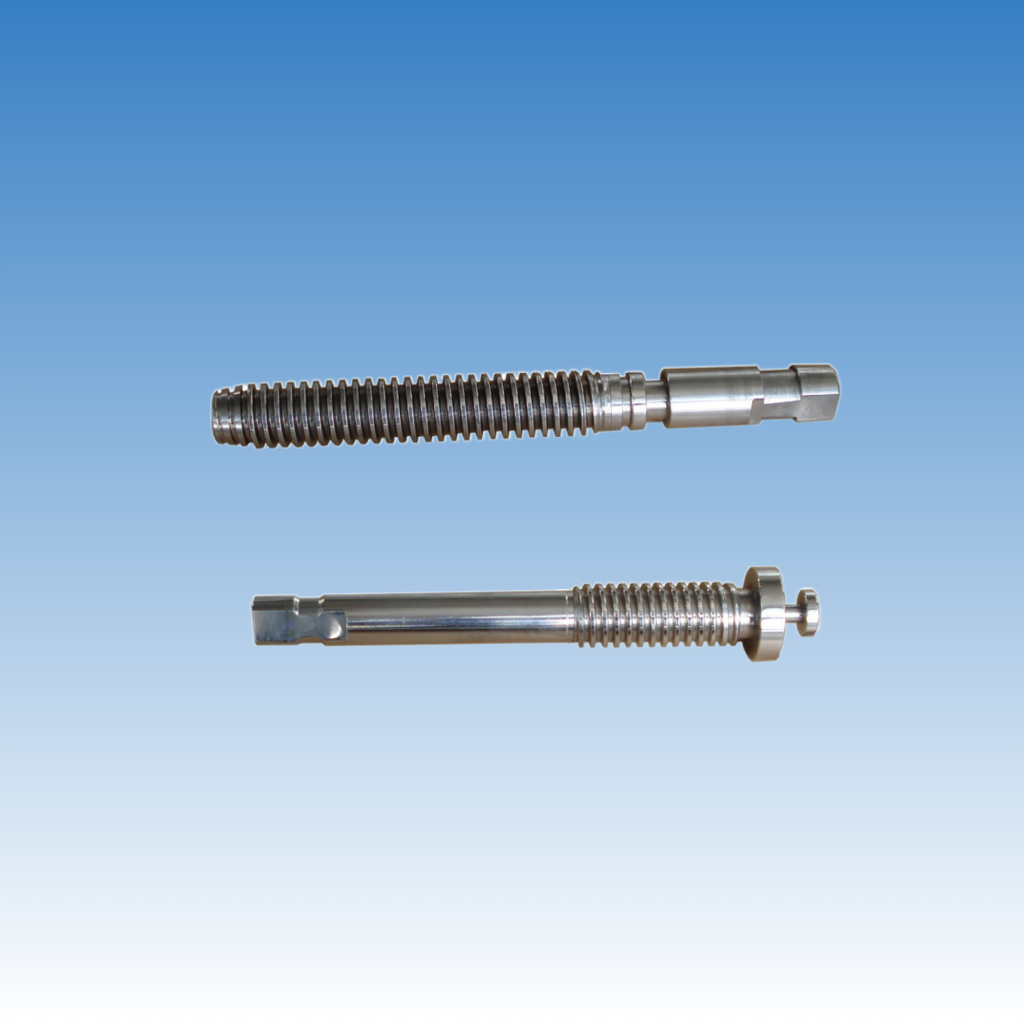
Tapping seems simple. But in high-precision machining, one small mistake can scrap a whole batch. Are you really avoiding the hidden traps in tapping? The most common problems in precision tapping are oversized threads, broken taps, misalignment, stuck threads, and surface burrs. These issues often come from poor setup, tool wear, or wrong tapping conditions. […]
Understanding ISO 898 Classification of High-Strength Fasteners
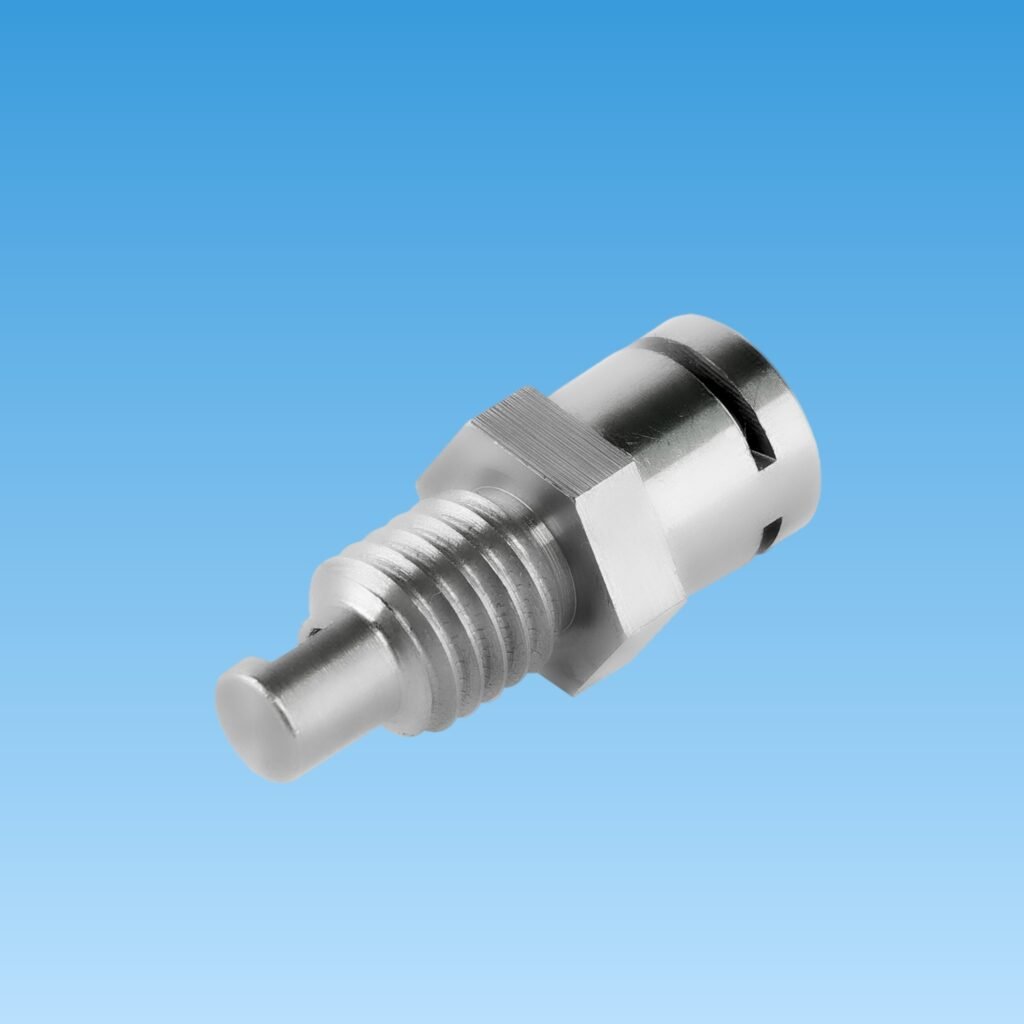
High-strength fasteners play a vital role in modern industries such as mechanical engineering, automotive, construction, wind energy, and heavy machinery. These components must meet strict performance criteria to ensure structural safety and long-term reliability. To achieve consistency and international compatibility, the ISO 898 standard was developed to define the mechanical properties and strength classifications of […]
Interpretation of DIN EN ISO 4753: General Dimensions Standard for Fasteners
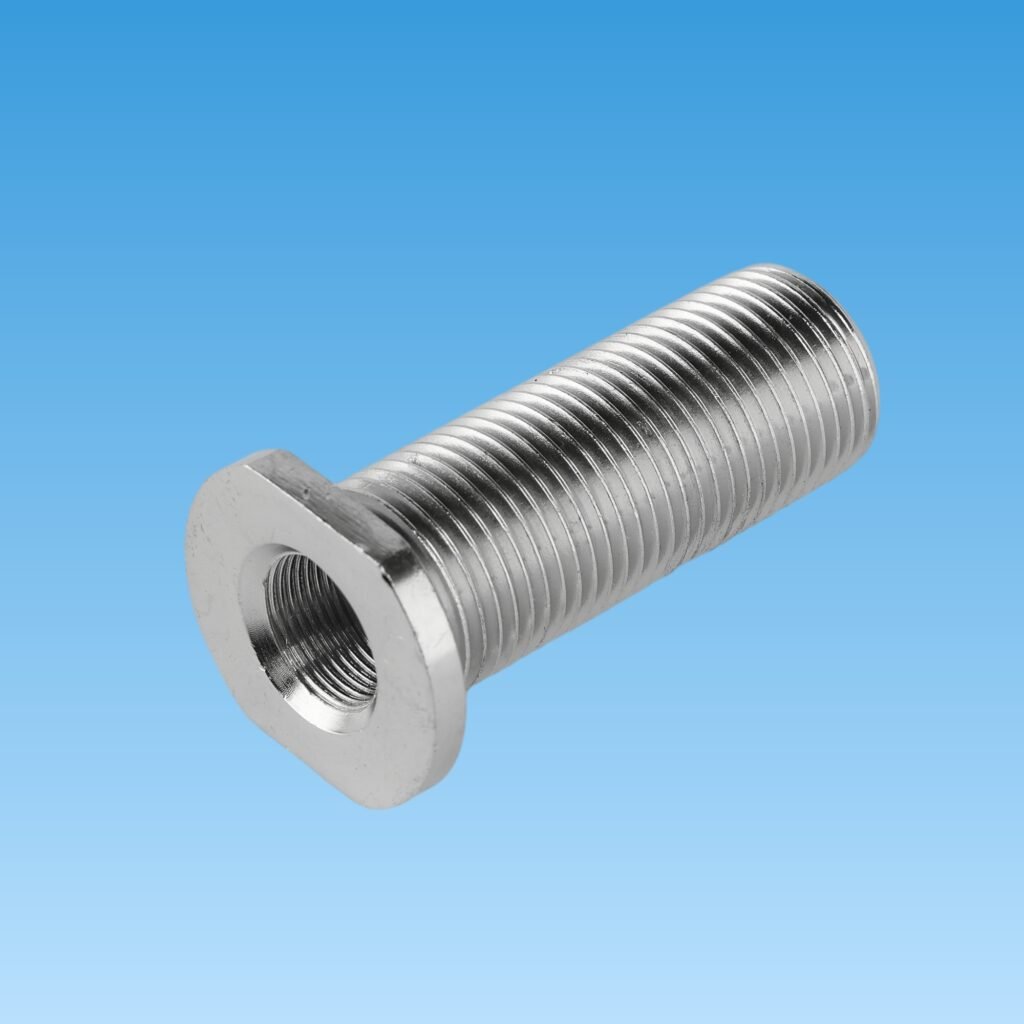
In today’s globalized manufacturing landscape, the standardization of fastener dimensions plays a crucial role in ensuring product compatibility, reducing assembly errors, and simplifying procurement. Especially for commonly used threaded components such as bolts, studs, and screws, standardized end configurations help maintain consistent quality and assembly efficiency across different industries and international supply chains. The DIN […]
Salt Spray Test According to ISO 9227 for Fastener Coating Standards
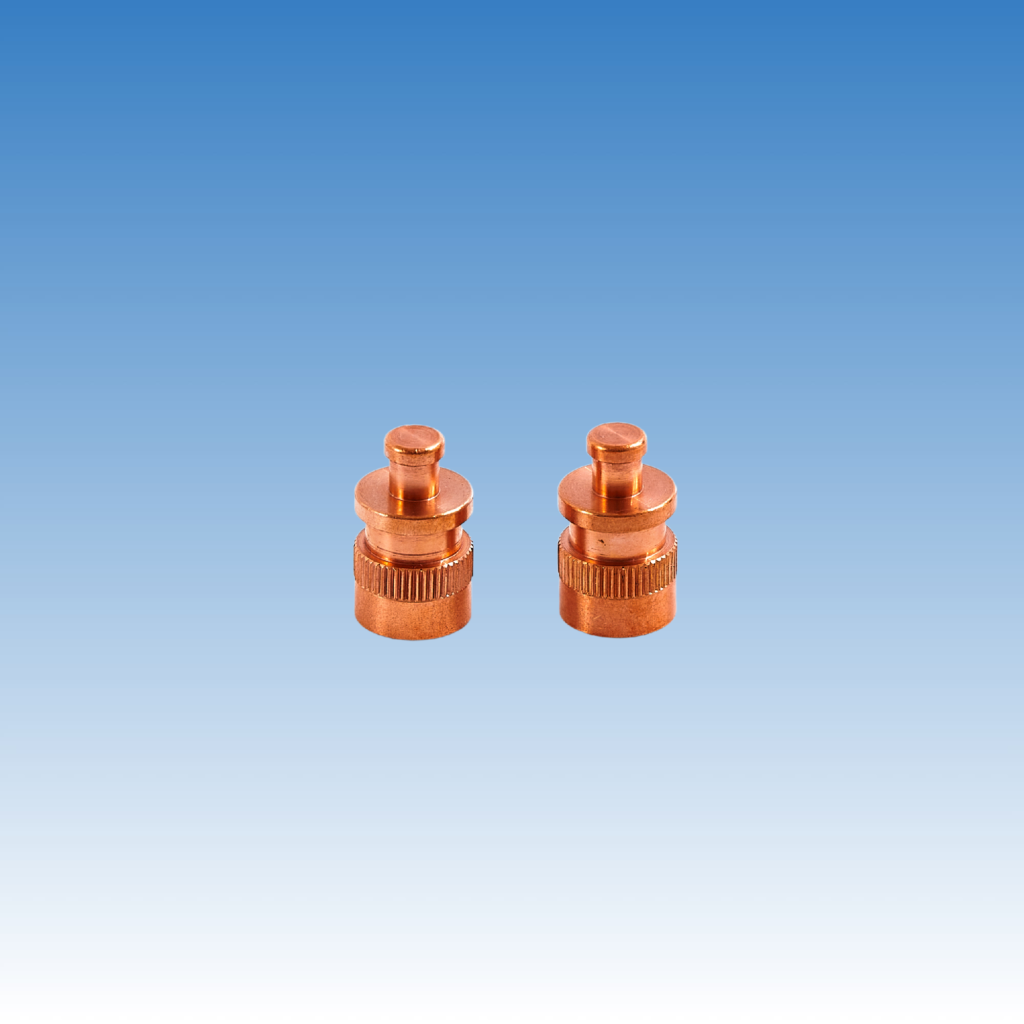
In industries such as automotive, construction, heavy machinery, and energy, fasteners are critical components that must maintain integrity even in harsh environments. Corrosion of fasteners can lead to structural failure, equipment damage, and high maintenance costs. To assess and verify the corrosion resistance of surface treatments, the ISO 9227 salt spray test has become one […]
Application of ISO 16232 Cleanliness Standard in Fastener Inspection
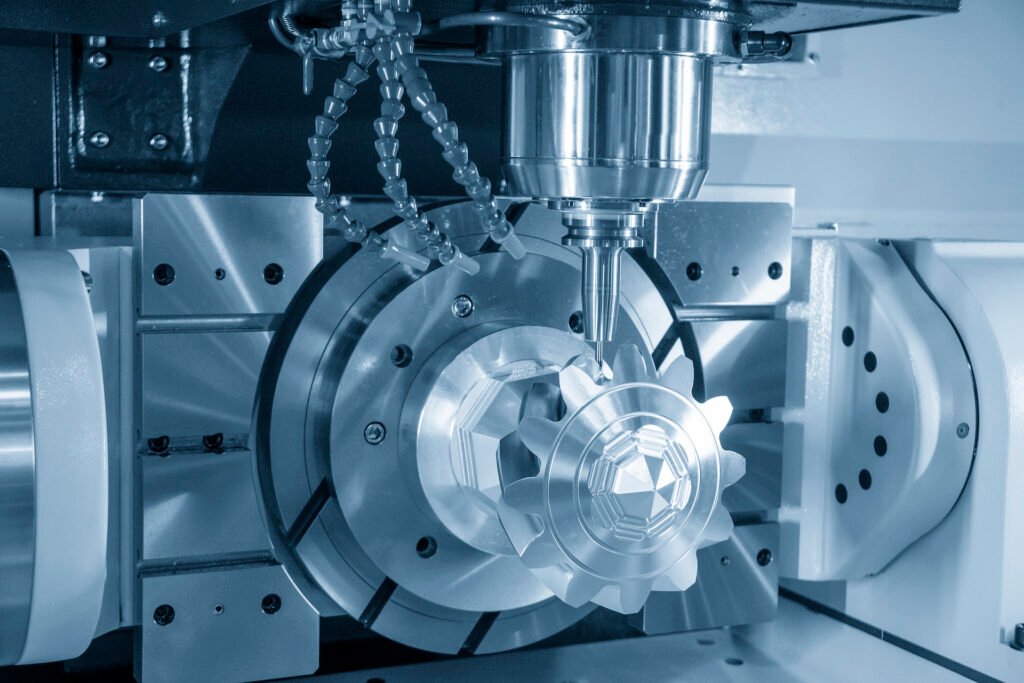
In precision manufacturing industries, fasteners play a critical role in securing and assembling components. Their surface and internal cleanliness directly impact the performance, reliability, and longevity of the entire mechanical system. In sectors such as automotive, aerospace, medical, and renewable energy, even microscopic contamination on fasteners can lead to assembly failures, malfunctioning systems, or severe […]