


Shot Blasting Process: Principle, Methods, Advantages, and Applications

In the world of industrial manufacturing and surface treatment, shot blasting is a highly effective and widely used technique. It is primarily applied to clean metal surfaces, remove scale, rust, and other contaminants, and to improve the mechanical performance of components through surface strengthening. From casting and forging to precision machining and structural steel processing, […]
Sandblasting Process: Principle, Methods, Advantages, and Applications

In modern industrial manufacturing, surface treatment plays a critical role in ensuring product performance, durability, and appearance. Among various surface processing techniques, sandblasting—also known as abrasive blasting or shot blasting—is widely recognized for its efficiency, versatility, and cost-effectiveness. It is commonly used in metal fabrication, machinery parts production, automotive components, aerospace structures, and other high-demand […]
Electrophoretic Deposition (E-Coating): Principle, Process, Benefits, and Applications

Electrophoretic deposition (EPD), also known as e-coating or electrophoretic painting, is a widely adopted surface treatment process for metal components. Due to its advantages in corrosion resistance, uniform coating, strong adhesion, and environmental friendliness, it has become a preferred finishing solution across industries such as automotive, home appliances, hardware, construction, industrial machinery, and electronics. This […]
EN AW-7075 vs EN AW-2024 Aluminum Alloys: Performance Comparison and Application Analysis
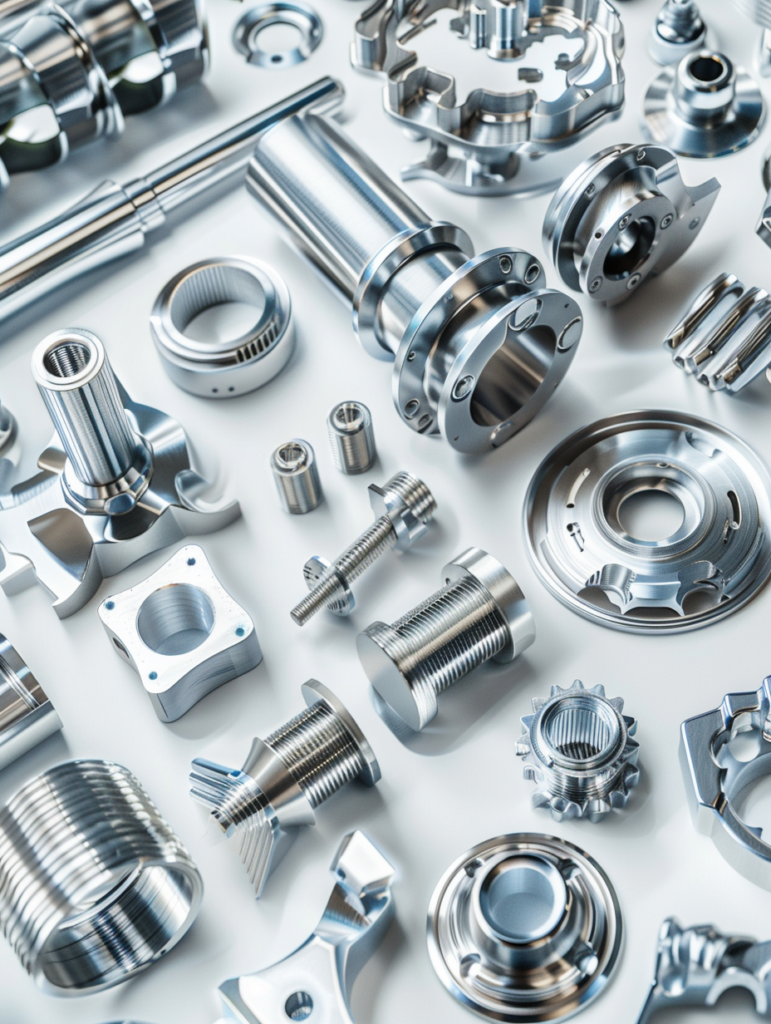
In the field of high-strength aluminum alloys, EN AW-7075 and EN AW-2024 are two of the most widely used materials. Known for their excellent mechanical properties and reliable processing performance, both are commonly applied in aerospace, automotive, mold manufacturing, military, and high-performance structural components. This article presents a comprehensive comparison of EN AW-7075 vs EN […]
Black Oxide Treatment: Principles, Methods, Advantages, and Applications
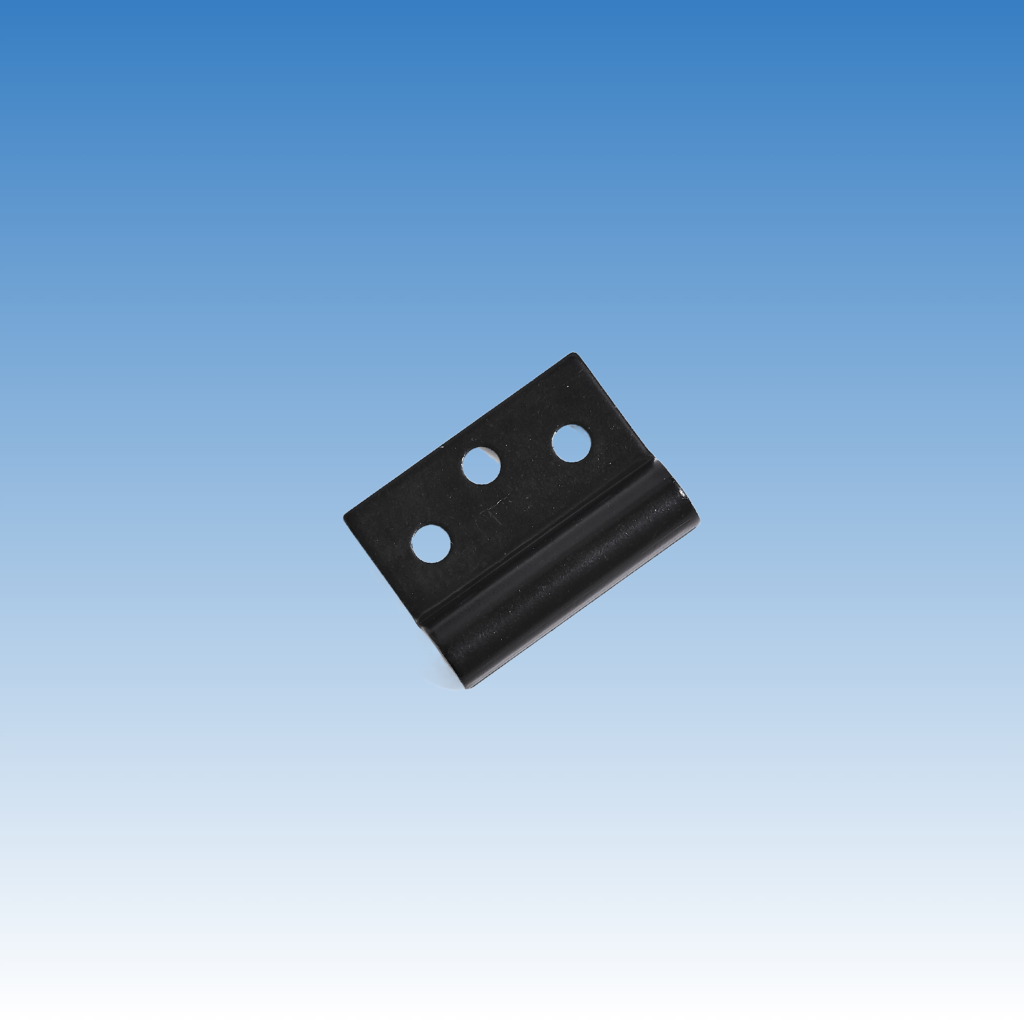
Black oxide treatment, also known as blackening, black oxide coating, or oxidation treatment, is a widely used surface finishing process for ferrous metals. It is favored for its ability to improve corrosion resistance, enhance appearance, and maintain dimensional accuracy without adding extra thickness to the part. In this article, we will explain the principle, common […]
Phosphating Treatment: Principle, Methods, Advantages, and Applications
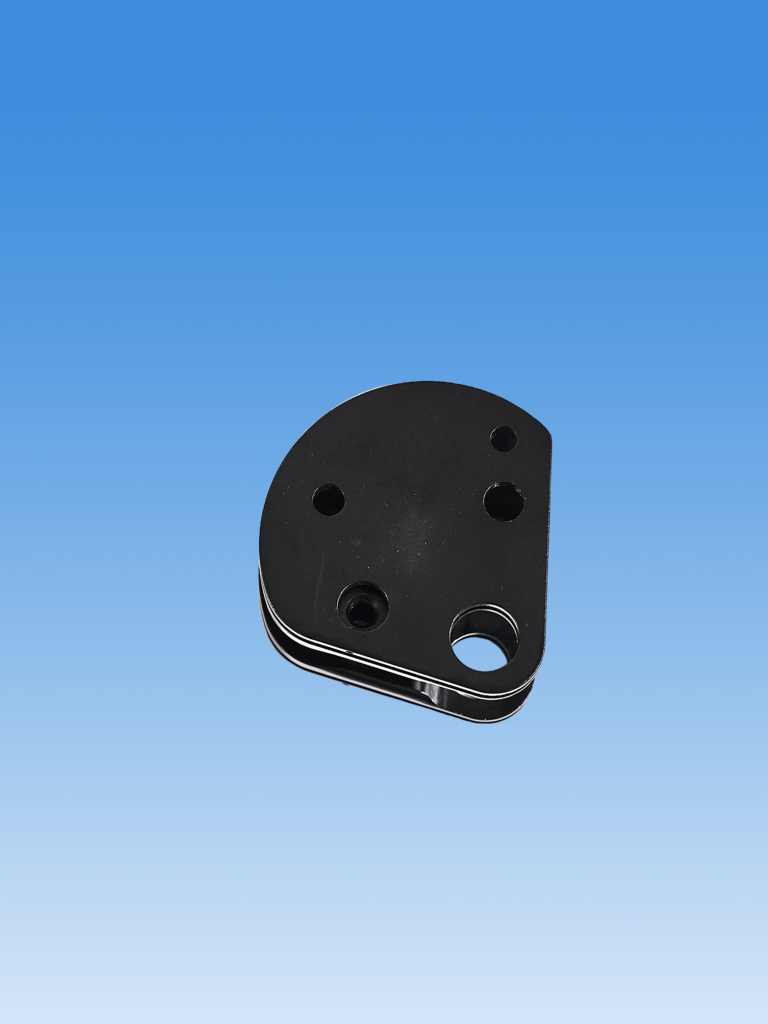
Phosphating is one of the most widely used and effective chemical surface treatment processes in metal manufacturing. It enhances corrosion resistance, improves paint adhesion, reduces friction, and increases wear resistance—making it indispensable in industries such as automotive, machinery, military equipment, appliances, and hardware. This article provides a comprehensive overview of the principles, process types, key […]
Surface Treatment Methods for Aluminum Fasteners: Advantages and Disadvantages

Aluminum fasteners are increasingly used in modern industries due to their lightweight, high strength-to-weight ratio, excellent corrosion resistance, and electrical conductivity. Common in aerospace, automotive, electronics, renewable energy, and machinery manufacturing, aluminum offers significant benefits over steel or stainless steel in terms of weight reduction and cost efficiency. However, aluminum also has limitations, such as […]
Surface Treatment Methods for Stainless Steel Fasteners: Advantages and Disadvantages

Stainless steel fasteners are widely used in industries such as construction, machinery, electronics, automotive, chemical processing, and marine applications due to their excellent corrosion resistance, strength, and durability. However, even stainless steel requires surface treatment to further enhance performance, aesthetics, and longevity—especially when used in harsh environments. This article explores the most common surface treatment […]
Surface Treatment Methods for Copper Fasteners: Advantages and Disadvantages

Copper fasteners play a critical role in industries where excellent conductivity, corrosion resistance, and non-magnetic properties are required—especially in electrical, electronic, and precision equipment applications. However, copper’s relatively soft mechanical properties and tendency to oxidize in air can limit its long-term performance. To address these challenges, various surface treatment methods are applied to copper screws, […]
Application of DIN 76 Standard in Precision Fasteners
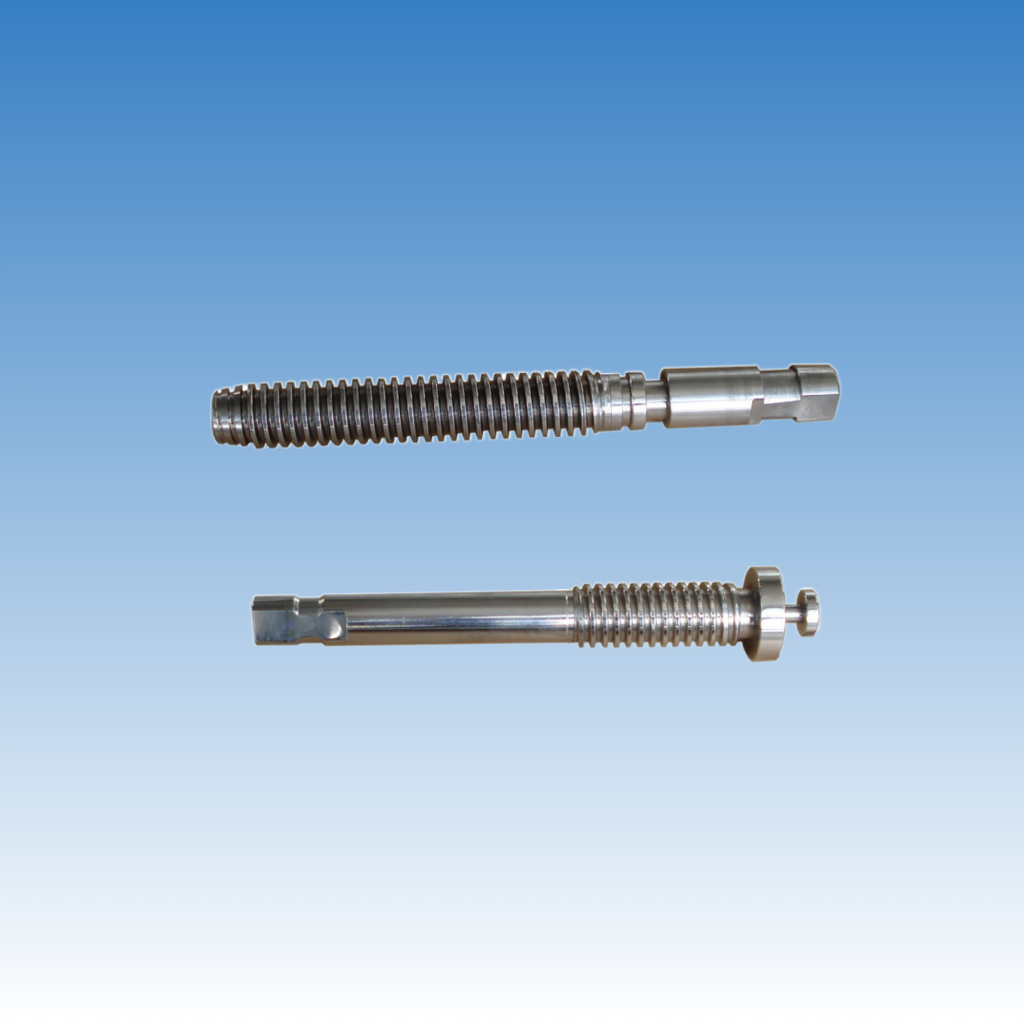
In the manufacturing of precision fasteners, thread design and machining are critical factors that determine the performance, safety, and interchangeability of the components. Among the many international standards for thread production, the DIN 76 standard plays a crucial role—especially in defining the chamfering and termination of threaded holes and bolts. This article explores the key […]
Welding Process Overview: Advantages and Disadvantages in High-Efficiency Precision Manufacturing

Welding is one of the most widely used and essential joining methods in modern manufacturing. From heavy machinery, aerospace and automotive components to precision electronic devices, medical instruments, and metal microstructures, welding plays a vital role in efficient and permanent metal joining. As demands for high-efficiency and precision manufacturing continue to grow, welding technologies are […]
Casting Process Explained: Advantages and Disadvantages of High-Efficiency Precision Manufacturing
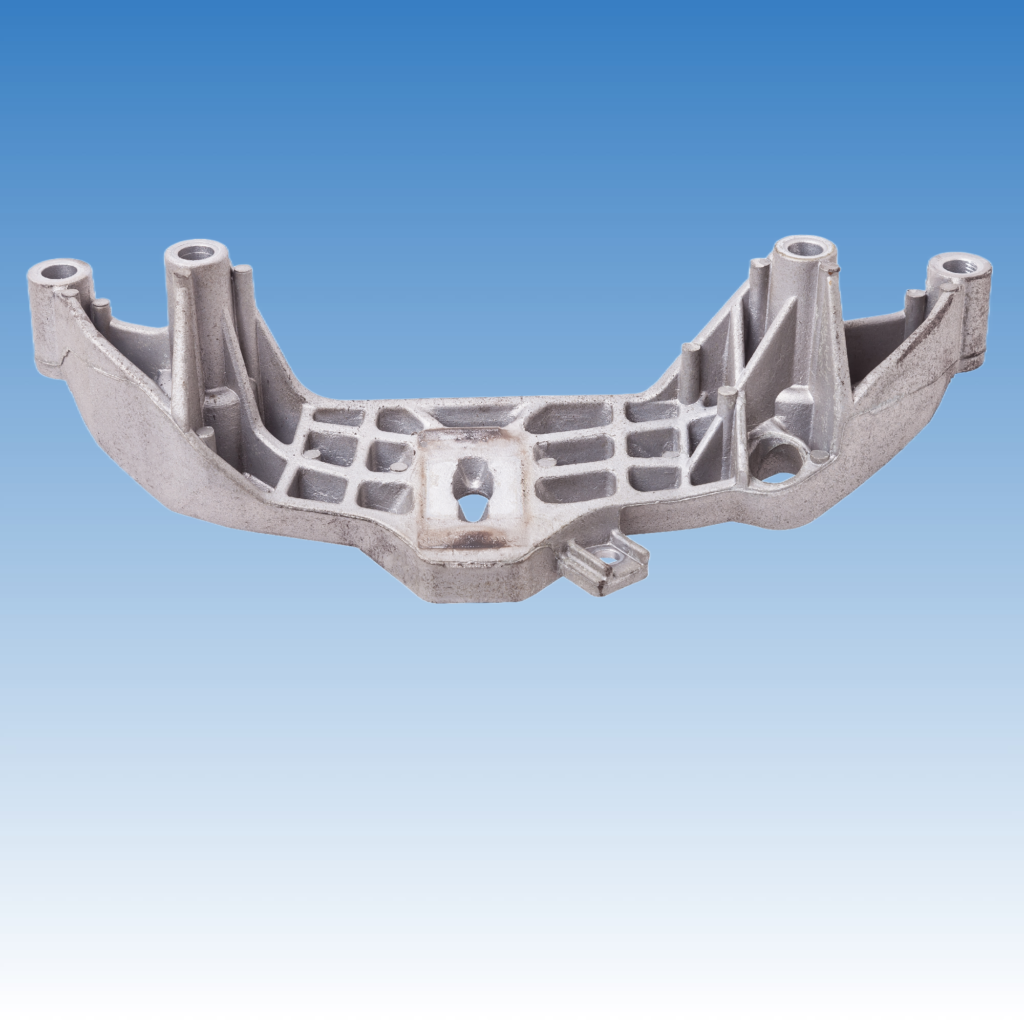
Casting is one of the oldest yet most essential manufacturing processes in the metalworking industry. In modern applications across automotive, aerospace, machinery, energy, and transportation sectors, metal casting continues to play a vital role—especially when it comes to producing complex, large-volume parts with balanced cost and performance. This article provides a complete overview of the […]